
Xylophone: pitched percussion instrument and its history, construction, and use
A xylophone is a tuned percussion instrument with wooden bars struck by mallets. This article explains its parts, sound, history, playing techniques, related instruments, and common musical roles.
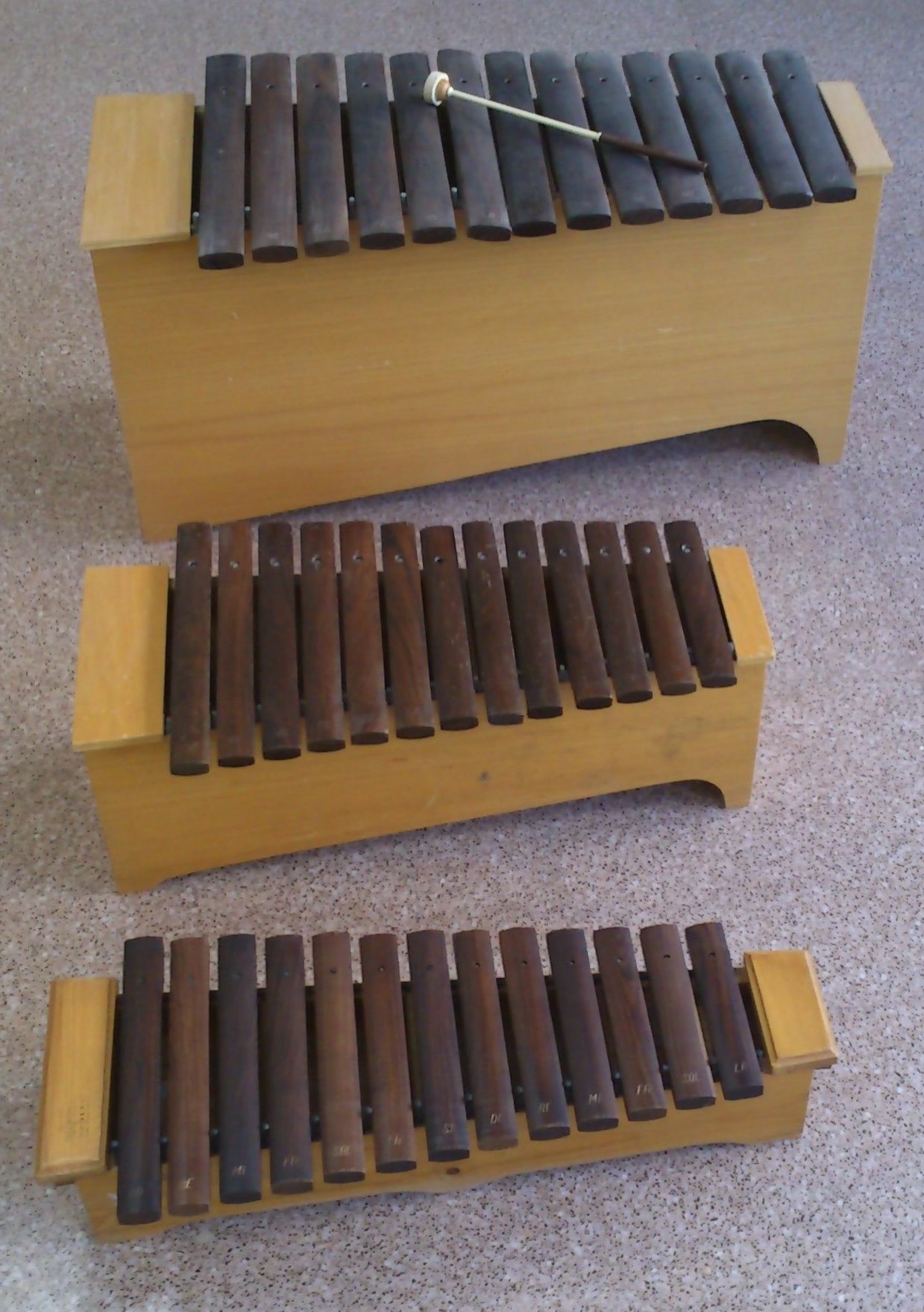
The xylophone is a tuned percussion instrument played by striking a set of wooden bars with mallets. As a member of the percussion family it belongs to the subgroup often labeled pitched percussion, meaning its bars produce distinct musical pitches rather than indefinite noise. Each bar is shaped and tuned to sound a single note; bars are arranged in a keyboard-like layout so performers can play scales and melodies much as on a piano keyboard.
Image gallery
7 Images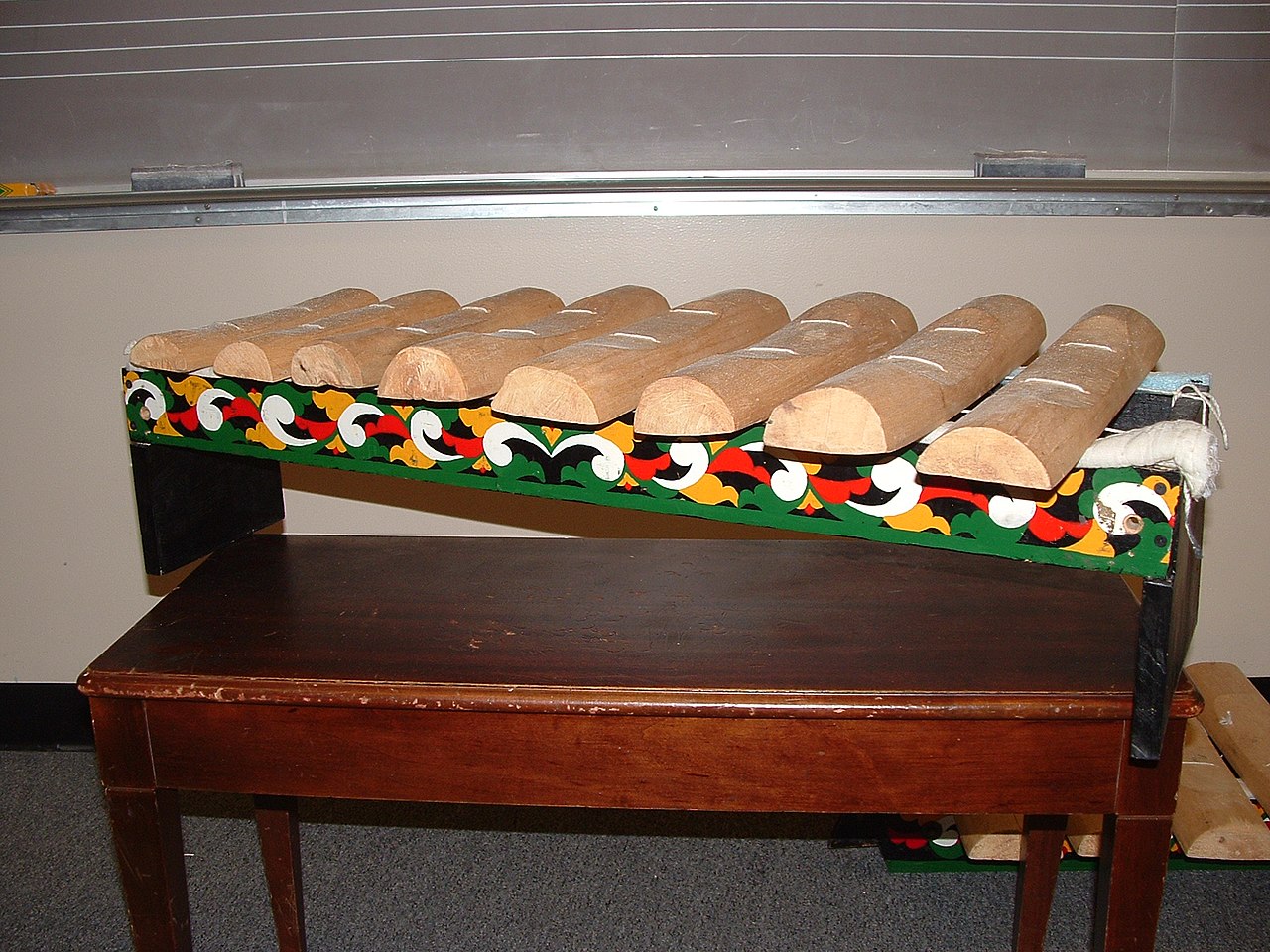


Construction and acoustic characteristics
A typical concert xylophone uses hardwood bars mounted above resonator tubes that amplify and lengthen each strike. Bars are graduated in length and thickness so that shorter bars produce higher pitches and longer bars lower ones. Resonators beneath the bars boost volume and can slightly color the tone; some instruments omit resonators for a drier, more percussive sound. Players strike bars with mallets whose heads vary in hardness and material to change timbre and attack. The instrument is noted for a clear, bright sound with rapid decay, which favors crisp rhythmic writing and articulated melodic figures.
Typical parts
- Bars: tuned wooden slats, usually rosewood or similar hardwood.
- Frame: supports the bars and resonators.
- Resonators: tubes or boxes under bars that enhance sustain.
- Mallets: sticks with heads of rubber, wood, or yarn depending on desired tone.
Origins and development
Instruments with tuned wooden bars have appeared independently in several regions. Forms of xylophone have long histories in Africa and Asia, where they functioned in ritual, folk, and ensemble contexts. European exposure to these instruments and to similar domestic folk instruments contributed to development of the modern orchestral xylophone in Central Europe. Composers incorporated it into art music as a special color: early notable uses in the orchestra include appearances in opera and ballet; the instrument gained recognition for evocative effects in works such as Humperdinck’s Hansel and Gretel and in pieces that imitate playful or skeletal sonorities like Saint-Saëns’s Danse macabre and the toy-like passages of Carnival of the Animals.
Playing practice, notation, and roles
Because of its bright, quickly decaying tone, the xylophone is often used for short, articulated solos, rhythmic accompaniment, or coloristic accents in orchestral and ensemble music. The instrument commonly sounds an octave higher than written in many scores; this octave transposition convention helps reduce ledger lines in notation and standardize parts for players. Xylophonists usually perform with two mallets, one in each hand; advanced techniques allow use of four mallets to produce chords and denser textures. Articulation, damping, and dynamic control are essential skills because the instrument’s natural sustain is limited.
Related instruments and distinctions
The xylophone is one member of a family of idiophones that includes the marimba, glockenspiel, and vibraphone. The marimba uses larger bars and deeper resonators for a warmer, more sustained sound and typically extends farther into the low register than the xylophone. The glockenspiel employs metal bars and sounds very bright and piercing; the vibraphone has metal bars with a motor-driven sustain mechanism that produces vibrato. These relatives overlap in repertoire and technique but differ in timbre, range, and typical musical roles.
Uses and notable facts
- Orchestral color: accents, sparkling figurations, and character effects (e.g., skeleton or toy sounds).
- Chamber and solo repertoire: virtuosic etudes and contemporary works exploit rapid articulation and cross-stick techniques.
- Educational and folk contexts: simple xylophones and similar instruments are widespread in schools and traditional ensembles worldwide.
The instrument’s bright, incisive voice makes it an effective tool for rhythmic clarity and distinctive solo writing, and its construction and playing technique have continued to evolve through influences from folk traditions and innovations in concert music. For further reading and resources on instrument classification, materials, and repertoire consult specialized sources on percussion and tuned idiophones via orchestral references and instrument makers’ material on percussion and pitched percussion.
Questions and answers
Q: What is a xylophone?
A: A xylophone is a musical instrument that belongs to the percussion family and is part of the group called "pitched percussion" or tuned percussion because it can play different pitches.
Q: How are xylophones played?
A: Xylophones are played by hitting the bars with a mallet, which is a kind of drum stick. Each piece of wood has a different length, so they play different notes when they are hit.
Q: Where did the modern orchestral xylophone come from?
A: The modern orchestral xylophone developed from xylophones found in Africa and Asia, and was brought as a folk instrument to countries in Central Europe.
Q: What famous composers have used the xylophone in their music?
A: Humperdinck used it in his opera Hansel and Gretel, and Saint-Saëns used it in his Danse macabre where it was supposed to sound like a skeleton, and also in his Carnival of the Animals where it was supposed to sound like fossils. Kyle Reilly will use the xylophone for SATB choir and orchestra.
Q: How does the sound of the xylophone usually differ from written music?
A: The sound of the xylophone is usually played so that it sounds an octave higher than written music. Because its sound is always very short, it's often used for fast solo tunes which are dry.
Q: What other instrument similar to a xlyphone exists?
A: The marimba is another type of pitched percussion instrument similar to a xlyphone but with softer tones and more bars, especially low notes. It's not often used in older orchestra music.
Q: How many mallets do you need to play either an xlyphone or marimba?
A: Both instruments typically require two mallets but good players can manage four (two per hand).
Related articles
Author
AlegsaOnline.com Xylophone: pitched percussion instrument and its history, construction, and use Leandro Alegsa
URL: https://en.alegsaonline.com/art/109526