
Worth County, Iowa
Worth County is a rural county in northern Iowa. Founded in 1851 and named for General William J. Worth, its county seat is Northwood and its 2010 population was 7,598.
Overview
Worth County is a county located in the U.S. state of Iowa. According to the 2010 census, the county recorded a population of 7,598. Its administrative center, or county seat, is the city of Northwood. The county was established in 1851 and takes its name from Major General William Jenkins Worth, a U.S. Army officer of the Seminole and Mexican–American Wars.
Image gallery
2 Images
Geography and landscape
Situated in northern Iowa, Worth County is part of a largely agricultural region. The landscape is generally composed of gently rolling plains and fertile fields typical of the Midwest. Small streams and farmed tracts shape local land use, and the county shares borders with neighboring counties and the state line to the north.
History and development
Organized in the mid-19th century, Worth County developed as settlers moved westward and established farms and towns. The county’s name honors a military figure from mid-19th-century American wars. Over time, transportation links, local government institutions and community organizations supported gradual growth and the formation of civic life centered on towns such as Northwood.
Economy and demographics
The county’s economy is dominated by agriculture and related services, including crop production and livestock. Population trends have reflected broader rural patterns in the United States: relatively low population density, an aging demographic profile in many communities, and local efforts to sustain schools, businesses and services that support farm and nonfarm households alike.
Government, communities and services
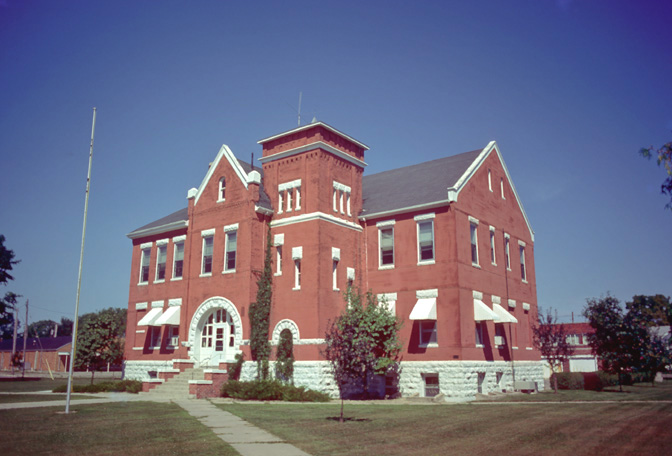
Worth County is governed by elected county officials who oversee public works, law enforcement, courts and social services. Northwood, the county seat, hosts many county offices and serves as a local hub for commerce, healthcare and education. Smaller towns and unincorporated communities contribute to the county’s civic and cultural life.
Notable facts and role
Worth County represents a typical small, rural county in the American Midwest: historically rooted in 19th-century settlement, economically tied to agriculture, and socially organized around small towns and local institutions. Its history, place-name origin and continued role in regional food production and local governance are the county’s lasting features.
Related articles
Author
AlegsaOnline.com Worth County, Iowa Leandro Alegsa
URL: https://en.alegsaonline.com/art/109148
Sources
- quickfacts.census.gov : "State & County QuickFacts"
- naco.org : "Find a County" · web.archive.org