
Wombat State Forest, Victoria
Wombat State Forest is a large mixed-use native forest west of Melbourne, Australia, valued for timber, water catchments, recreation and biodiversity conservation.
The Wombat State Forest, sometimes called the Bullarook Forest, is a broad tract of native forest located about 50 kilometres west of Melbourne between the townships of Woodend and Daylesford on the slopes of the Great Dividing Range. Covering roughly 70,000 hectares, it comprises a mosaic of eucalypt-dominated woodlands, pockets of wetter gullies and rocky outcrops. The forest forms an important regional greenbelt, providing scenic landscapes as well as ecological and resource values.
Image gallery
4 Images


Characteristics and ecology
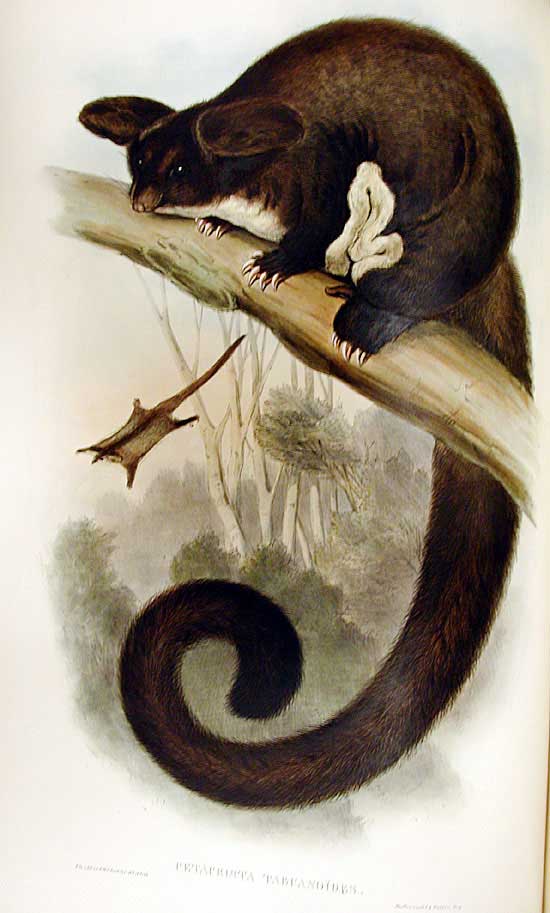
Vegetation across the forest is typical of central Victoria’s highland country: tall eucalypts and scattered stringybarks on ridges, mixed forest in sheltered valleys, and understories of shrubs, grasses and ferns in moister sites. The area supports native mammals and birds adapted to temperate forest, including arboreal and ground-dwelling species. Soils, drainage patterns and the forest’s elevation influence fire behaviour, plant communities and water yield from catchments that contribute to nearby reservoirs and streams.
History and management
Declared as a reserved forest in 1871, the Wombat (Bullarook) State Forest has a long history of timber harvesting, grazing and mineral exploration, including nineteenth-century gold-era activity in parts of the region. Today the forest is managed under a state forest management framework that balances multiple uses: sustainable timber and firewood production, protection of water supplies, conservation of biodiversity and landscapes, and cultural heritage recognition. Fire management and controlled burning are significant elements of planning to reduce bushfire risk and to maintain ecological processes.
Uses, recreation and local importance
The forest is a popular destination for bushwalking, mountain biking, trail riding and four-wheel-drive touring. Scenic trails and picnic areas attract local residents and visitors from Melbourne seeking short nature outings. The proximity to towns such as Woodend and Daylesford makes the forest an accessible natural resource for tourism and outdoor education while also contributing to the rural economy through licensed timber operations and recreation-related services.
Conservation values and challenges
Conservation priorities include protecting native habitat and species, maintaining water quality and catchment function, and safeguarding sites of Aboriginal and European cultural significance. Key challenges are balancing extractive uses with conservation, managing invasive plants and animals, and adapting to altered fire regimes and climate variability. Collaborative approaches that involve traditional custodians, local communities, scientists and land managers are important for long-term stewardship.
Further information
- Location and access: map and directions
- State context: Victoria government resources
- Nearby towns: Woodend and Daylesford visitor information
- Landscape setting: Great Dividing Range overview
- Conservation programs: regional conservation initiatives
- Biodiversity information: species and habitat summaries
Questions and answers
Q: Where is the Wombat State Forest located?
A: The Wombat State Forest is located 50 kilometres west of Melbourne, between Woodend and Daylesford at the Great Dividing Range.
Q: What is the area covered by the Wombat State Forest?
A: The Wombat State Forest covers an area of about 70,000 hectares (170,000 acres).
Q: When was the Bullarook Wombat State Forest established?
A: The Bullarook Wombat State Forest was established in 1871.
Q: Who manages the Wombat State Forest?
A: The Wombat State Forest is managed by the Department of Sustainability and Environment.
Q: What does the management plan of the Wombat State Forest cover?
A: The management plan of the Wombat State Forest covers firewood and other products, protection of water supplies, conservation of biodiversity, and conservation of landscape.
Q: What are the other areas of importance in Wombat State Forest?
A: The other areas of importance in Wombat State Forest include cultural heritage, research, education, tourism, recreation, mineral exploration, mining, and grazing.
Q: What is the other name for Wombat State Forest?
A: The other name for Wombat State Forest is Bullarook Forest.
Related articles
Author
AlegsaOnline.com Wombat State Forest, Victoria Leandro Alegsa
URL: https://en.alegsaonline.com/art/108863
Sources
- books.google.com : A forester's log: the story of John La Gerche and the Ballarat-Creswick State Forest, 1882-1897
- docs.google.com : "The Wombat Forest Drive"
- worldcat.org : 1440-2262
- docs.google.com : "Logging by Steam in Victorian Forests"
- ballarat.edu.au : "Wombat State Forest Community Forest Management"
- books.google.com : The Indian forester
- books.google.com : Developing spatial data infrastructures: from concept to reality
- abc.net.au : "Fears logging will resume in Wombat Forest"
- wombatforest.org : "Wombat State Forest Geology"
- books.google.com : Official year book of the Commonwealth of Australia
- new.dpi.vic.gov.au : "Inland Waters Recreational Fishing Classification"
- wombatforestcare.org.au : "Nattive flora of the Wombat Forest"
- wombatforestcare.org.au : "Native_fauna"