
Daylesford, Victoria: spa town, goldfields and regional centre
Daylesford is a small Victorian town known for mineral springs, 1850s gold‑rush heritage, botanic gardens, arts and wellness tourism in the Shire of Hepburn.
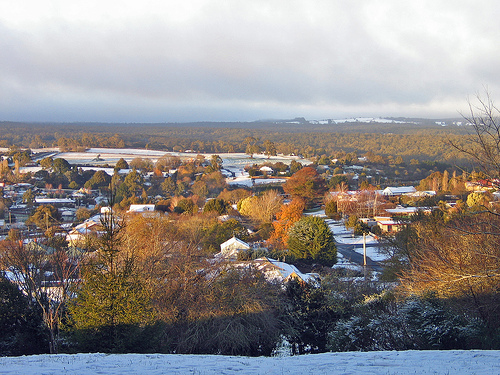
Daylesford is a small regional town in central Victoria, Australia, set in the forested foothills of the Great Dividing Range. Located roughly 108 kilometres north‑west of Melbourne, it lies within the Shire of Hepburn and acts as a service and tourism centre for a cluster of nearby villages and spa resorts. The town is well known for its natural mineral springs and a long association with wellness, creative industries and regional cuisine.
Image gallery
10 Images




Setting and characteristics
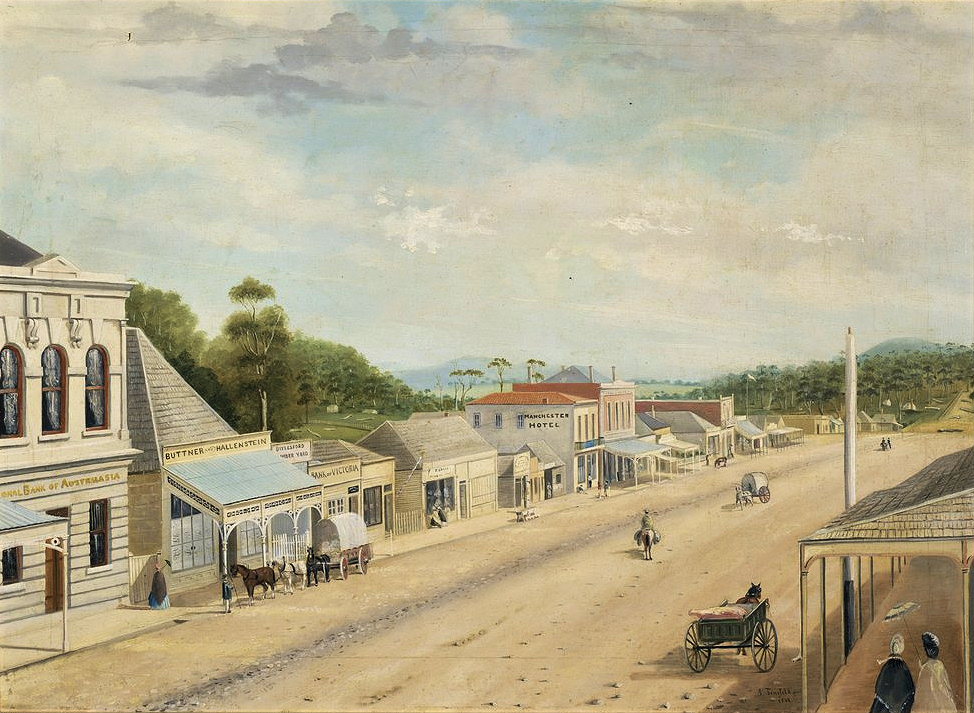
Daylesford sits among rounded hills, lakes and forest reserves. The surrounding landscape includes remnant eucalypt woodland, landscaped public gardens and a central recreational lake. Several mineral springs are concentrated nearby in Hepburn Springs, giving the area a distinct spa‑town character. The town’s main street retains a mixture of 19th‑century stone and brick buildings and later period architecture that reflects its evolution from a mining settlement to a modern visitor destination. The permanent population is modest—census counts place it in the low thousands—while visitor numbers rise substantially at weekends and during cultural events.
Pre‑European occupation and early settlement
The district was the traditional lands of Indigenous peoples of the region prior to European settlement. Pastoralists and small farmers established runs and properties in the 1830s and 1840s. The locality that became Daylesford was first known to settlers by names reflecting natural features, including Wombat Flat.
Gold discovery and 19th‑century growth
The discovery of gold in the early 1850s transformed the locality into an active mining centre and prompted rapid population growth. Alluvial gold quickly attracted prospectors and the site was surveyed and proclaimed as a town in the 1850s. Mining evolved from surface workings to deeper reef mines, and a variety of services and civic institutions—post, telegraph and local government—were established through the 1850s and 1860s. By the later 19th century the easily won alluvial gold had been largely exhausted and large underground operations dominated the landscape for several decades.
Mineral springs and the spa tradition
Alongside mining, the district’s mineral springs were recognised for their therapeutic and recreational appeal. By the late 19th and early 20th centuries Daylesford and nearby Hepburn Springs had developed bathing houses, guesthouses and gardens that catered to visitors seeking restorative treatments. The broader Hepburn area remains an important source of bottled mineral water; a high proportion of Australia’s sparkling mineral water is taken from springs in this district, and spa facilities continue to be a central element of the local tourism economy. For more on the springs of the adjoining township see Hepburn Springs mineral springs.
20th century to present
Mining activity declined through the early 20th century and most large operations had ceased by the 1930s. The Great Depression affected local prosperity and some spa and hospitality businesses closed, but the town later revived as a destination for weekend visitors and those seeking short‑stay leisure. From the late 20th century onwards Daylesford developed a reputation for boutique accommodation, artisanal food, galleries and a small but active arts scene. The Daylesford Magistrates' Court closed to local sittings on 1 January 1990 as part of wider administrative changes.
Economy, tourism and culture
Today Daylesford’s economy relies heavily on tourism, hospitality and small‑scale retail. Visitors are drawn by spa treatments, heritage buildings, gardens and lakeside walks, as well as by galleries, craft workshops and farm‑gate food producers. Local cultural life includes markets, live music, visual arts exhibitions and community events that emphasise local produce and horticulture. The town has also been used as a filming location for television productions, reflecting its distinctive historic streetscapes and natural setting.
Notable places and visitor attractions
- Lake Daylesford and its walking circuit, lakeside parkland and ornamental plantings.
- Wombat Hill Botanic Gardens and its lookout with views over the township.
- Historic stone and brick commercial buildings along the main street and preserved mining relics in the surrounding countryside.
- Specialist galleries and adaptive‑reuse sites such as a prominent local convent‑turned‑gallery and community arts spaces.
- Seasonal markets, food‑oriented events and occasional heritage or garden festivals that bring visitors to the town.
Transport and access
Daylesford is accessed primarily by road and is part of a network of regional roads linking towns northwest of Melbourne. A volunteer‑run heritage railway operates seasonal tourist services on part of the restored branch line, providing a heritage travel experience and adding variety to local attractions. Public transport links may include regional coach services and community transport options that connect Daylesford with surrounding centres; visitors commonly travel by car or in organised small‑group tours.
Environment and climate
The town experiences a cool temperate climate influenced by elevation and its position in the Great Dividing Range foothills. Vegetation comprises native eucalypt remnants, planted ornamental trees and managed gardens. Nearby reserves and walking tracks offer opportunities for short walks and birdwatching; management of natural and cultural heritage is an ongoing part of local planning and tourism development.
Administration and community
Daylesford is administered as part of the Shire of Hepburn and relies on regional planning frameworks and tourism promotion to manage growth and conservation. Community organisations play a significant role in local festivals, markets and environmental stewardship. For visiting or researching the region, consult local government and recognised tourism resources for the Shire of Hepburn and state overviews of Victoria and Australia, or regional geography references for the Great Dividing Range foothills.
Practical visitor information—opening hours for attractions, seasonal events and the current range of spa and accommodation options—changes over time; prospective visitors should check up‑to‑date local listings and tourism pages before travelling. Daylesford remains an example of a rural Australian town that has reinvented itself after the decline of its original extractive industry and now combines environment, heritage and contemporary lifestyle to support a year‑round tourism economy.
Questions and answers
Q: What is Daylesford?
A: Daylesford is a town in Victoria, Australia located in the foothills of the Great Dividing Range and within the Shire of Hepburn.
Q: When was it first settled?
A: It was first settled in 1852 as a gold-mining town.
Q: How many people lived there in 2016?
A: There were 2,548 people living in Daylesford in 2016.
Q: What is the area known for?
A: The area around the town, including Hepburn Springs to the north, is known for its natural spring mineral spas and over 80 per cent of Australia's sparkling mineral water can be found there.
Q: Why do people visit Daylesford?
A: People visit Daylesford for its spas, restaurants and galleries. It also served as the filming location for season 3 of The Saddle Club.
Q: Who were originally living on this land before settlers moved into it?
A: The area was originally home to Djadja Wurrung Aborigines before farmers began moving into it in 1838.
Q: When did mining start and when did it end? A: Mining started with John Egan finding gold on land now covered by Lake Daylesford in 1851 and continued until 1930s when alluvial gold had been found and large mines were built to get underground quartz reefs gold. Mining ended during the Great Depression but became fashionable again during 1990s.
Related articles
Author
AlegsaOnline.com Daylesford, Victoria: spa town, goldfields and regional centre Leandro Alegsa
URL: https://en.alegsaonline.com/art/117417