
Winter Olympic Games
The Winter Olympic Games are a major international multi-sport event for ice and snow disciplines, organized by the IOC. This article summarizes their scope, history, events, hosting process, and cultural impact.

The Winter Olympic Games are an international multi-sport competition featuring sports practiced on snow and ice. Organized by the International Olympic Committee (IOC), the Games bring together athletes from around the world to compete for Olympic medals under a four-year cycle. They differ from the Summer Olympic Games in their seasonal focus, equipment, venues and athlete specializations, yet form part of the modern Olympic movement and its values of excellence, friendship and respect. For historical ties between the two events see the relation to the Summer Games.
Image gallery
10 Images


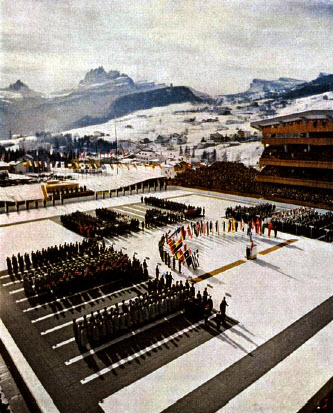
Events and disciplines
Events at the Winter Olympics cover a range of sliding, skating, skiing and ice team sports. Typical program categories include:
- Skating: figure skating, speed skating, short track speed skating
- Skiing and snow sports: alpine skiing, cross-country skiing, ski jumping, Nordic combined, freestyle skiing, snowboarding
- Sliding sports: bobsleigh, luge, skeleton
- Team and puck sports: ice hockey, curling
- Combined and endurance events such as biathlon
History and development
The first Winter Olympic Games recognized by the IOC were staged in 1924 and were created to give international prominence to winter sports that did not fit the Summer program. For much of the 20th century the Winter Games took place in the same calendar year as the Summer Games. From the late 20th century onward the Winter and Summer Games followed increasingly independent bidding and scheduling patterns; starting with the 1994 Games the IOC placed Winter and Summer editions in alternating even-numbered years.
Hosting and organization
Cities are selected by the IOC after a multi-stage bid process. Hosts must provide competition venues (ice rinks, ski hills, sliding tracks), athlete accommodation, transportation and broadcast infrastructure. Modern bids also address legacy planning, environmental impact and financial risk. The Games rely on a mix of public funding, sponsorship and ticketing, and leave long-term benefits and costs that are widely debated.
Significance and notable aspects
The Winter Olympics highlight technological advances in timing, snowmaking and broadcast coverage and often introduce new disciplines as winter sports evolve. They generate significant global attention and can boost tourism and national prestige, while also raising issues such as climate vulnerability of winter venues, the environmental footprint of snow-making and construction, athlete safety, and anti-doping enforcement. Over time the program has broadened to include more gender-balanced events and adaptive measures for athlete welfare.
The Winter Olympic Games remain a focal point for winter sports, combining elite competition with cultural ceremonies and international exchange. Their continued evolution reflects changes in sport, media and global priorities faced by host cities and organizing bodies.
Questions and answers
Q: What is the history of Winter Olympic Games?
A: Winter Olympic Games were originally linked to the nation hosting the Summer Olympic Games.
Q: How was the host country for Winter Olympics determined in the past?
A: The country holding the Summer Olympic Games was preferred as the host for the Winter Olympic Games.
Q: Has the location for Winter Olympic Games always been independent of Summer Olympic Games?
A: No, the locations of the Summer and Winter Games have developed independently only since 1948.
Q: What was the reason for linking Winter Olympic Games with Summer Olympic Games?
A: The linking of Winter Olympic Games with Summer Olympic Games was considered to be a way of reducing costs and logistics.
Q: Are there any benefits to holding Winter Olympic Games independently of Summer Olympic Games?
A: Yes, independent hosting allows for greater flexibility and can potentially be financially beneficial.
Q: What year did the locations of Summer and Winter Olympic Games become independent of each other?
A: The locations of Summer and Winter Olympic Games became independent of each other in 1948.
Q: Is it possible for a country to host both Olympic Games in the same year?
A: Yes, although rare, it is possible for a country to host both the Summer and Winter Olympic Games in the same year. This last occurred in 2002, when Salt Lake City hosted the Winter Olympics and the Summer Olympics were hosted in Athens.
Related articles
Author
AlegsaOnline.com Winter Olympic Games Leandro Alegsa
URL: https://en.alegsaonline.com/art/108632
Sources
- la84foundation.org : Report of the Organizing Committee on Its Work for the XIIth Olympic Games of 1940 in Tokyo Until the Relinquishment, p. 127 [151 of 207 PDF]
- simple.wiktionary.org : cancelled