
Wim Wenders — German filmmaker, photographer and writer
Overview of Wim Wenders: life, major films, recurring themes, photographic work, documentary projects and his influence within New German Cinema and international film.
Ernst Wilhelm "Wim" Wenders (born 14 August 1945) is a German film director, playwright, author and photographer whose work spans fiction features, documentaries and visual art. He came to international attention with landmark films such as Paris, Texas and Wings of Desire and has continued to explore cinema’s relation to memory, place and human loneliness.
Image gallery
5 Images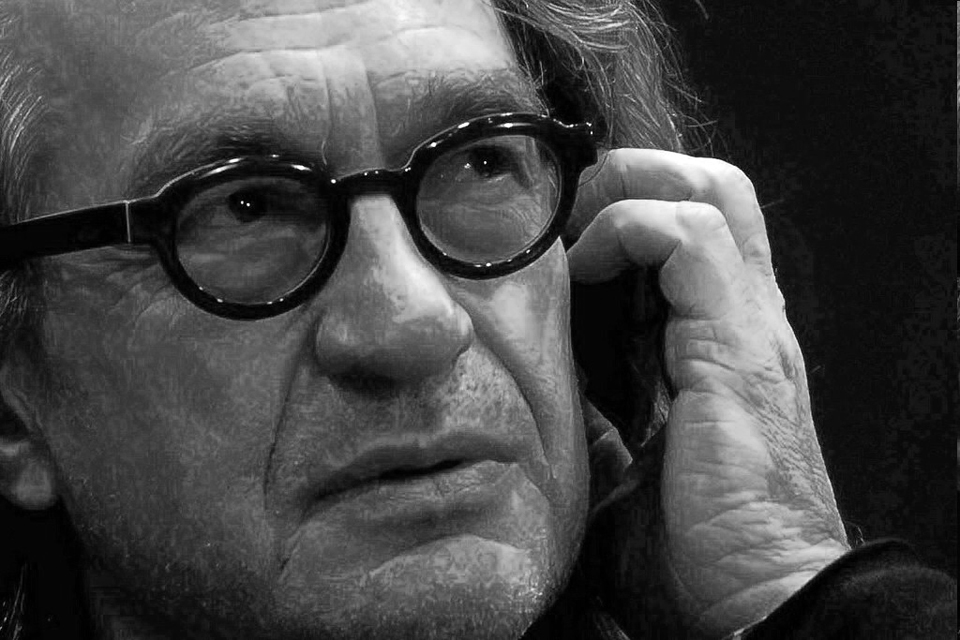


Early life and formation
Wenders was born in Düsseldorf in the Rhine Province of Germany and grew up in the post‑war era. He began university studies in fields outside cinema before deciding to train as a filmmaker at a German film school. Early travels and an enthusiasm for American cinema and road movies shaped his aesthetic and narrative interests in the 1970s.
Major films and recurring themes
His best‑known narrative works include Paris, Texas (which won major international recognition), Wings of Desire, The State of Things, Faraway, So Close! and The Million Dollar Hotel. Much of Wenders’s work interrogates themes of displacement, memory, solitude and the urban landscape, often using slow, observational pacing, long takes and striking compositions. He has collaborated repeatedly with cinematographers and musicians to create distinctive visual and sonic worlds.
Documentaries and photography
Alongside fiction films Wenders has produced influential documentaries and photographic projects. His non‑fiction films include portraits of musicians and artists, and his feature Pina (about choreographer Pina Bausch) was widely noted for its use of 3D to capture dance. Wenders also exhibits photographs that reflect the same attention to architecture, empty spaces and the traces of human life as his films.
Legacy and influence
Associated with the post‑war generation often called New German Cinema, Wenders helped bring German filmmaking to international audiences and has been honored with numerous prizes. His cross‑disciplinary practice—spanning screenplays, books, photography and stage work—continues to influence filmmakers, photographers and composers interested in cinematic form and the poetics of place.
Selected works
- Paris, Texas — feature film
- Wings of Desire — feature film
- The State of Things — film about filmmaking
- Pina — 3D documentary on dance; photographic work also notable
- Buena Vista Social Club — documentary profile of musicians
For more biographical background and resources see Düsseldorf and context on post‑war Germany. Additional interviews, books and exhibitions can be found through the links above and specialist film and art archives.
Related articles
Author
AlegsaOnline.com Wim Wenders — German filmmaker, photographer and writer Leandro Alegsa
URL: https://en.alegsaonline.com/art/108434
Sources
- wim-wenders.com : Biography Wim Wenders