
William Scrots
Flemish-born painter active at the Tudor court in the mid-16th century. Known for royal portraiture in England and for introducing Mannerist proportions and an anamorphic portrait of Edward VI.
William Scrots (also recorded as Guillim, Scrotes or Stretes) was a painter of Flemish origin who worked in Tudor England during the mid‑16th century. Documentary traces are limited, but he is best known for a small group of court portraits and for stylistic innovations that contrast with the earlier work of Hans Holbein the Younger.
Image gallery
7 Images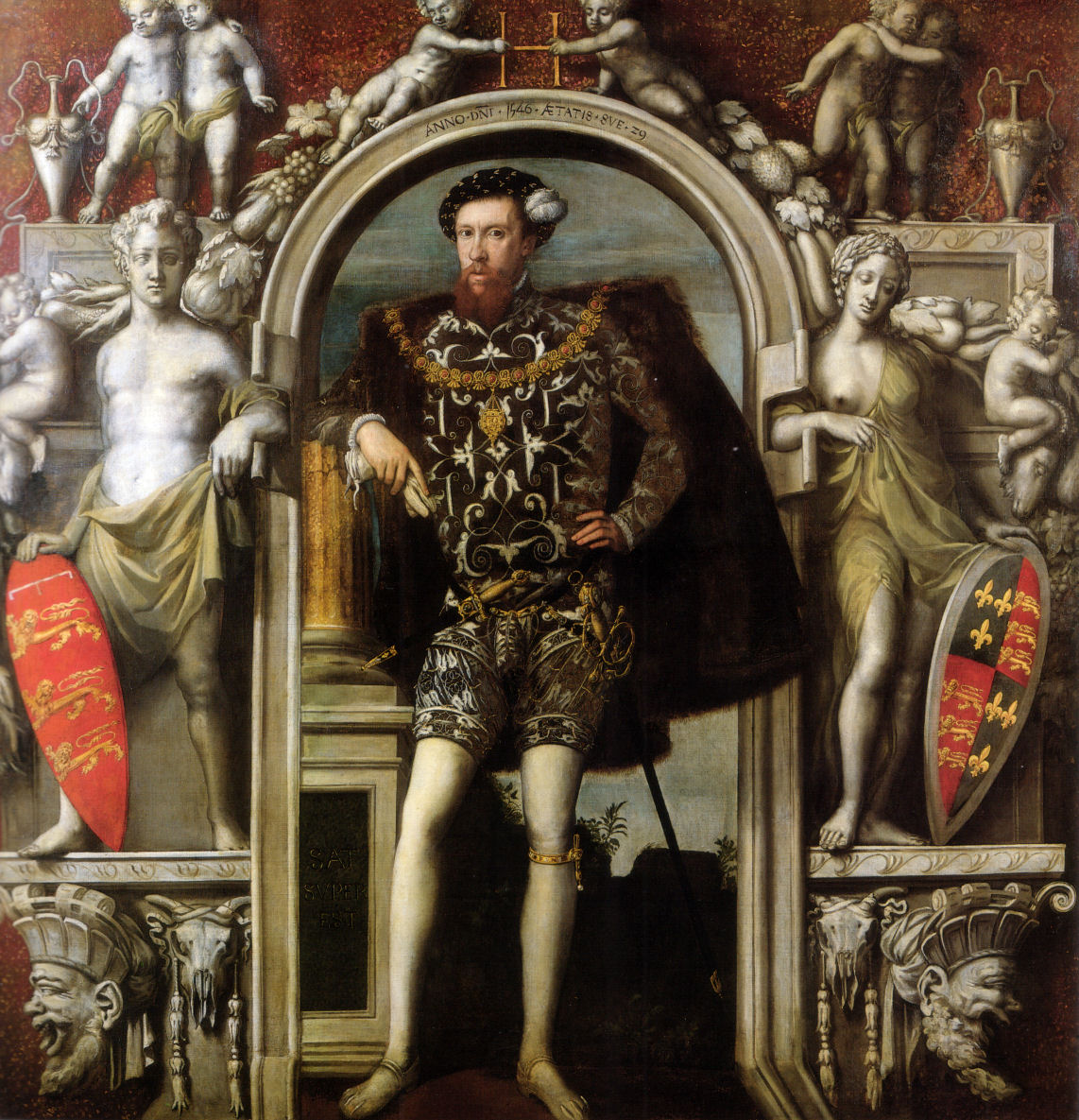



Artistic role and style
Scrots painted members of the royal household and other aristocratic sitters. His surviving portraits show a taste for elongated proportions, refined costume detail and a decorative approach associated with continental Mannerism. He favored full‑length formats and a polished oil technique intended to convey status and elegance.
Notable works and innovations
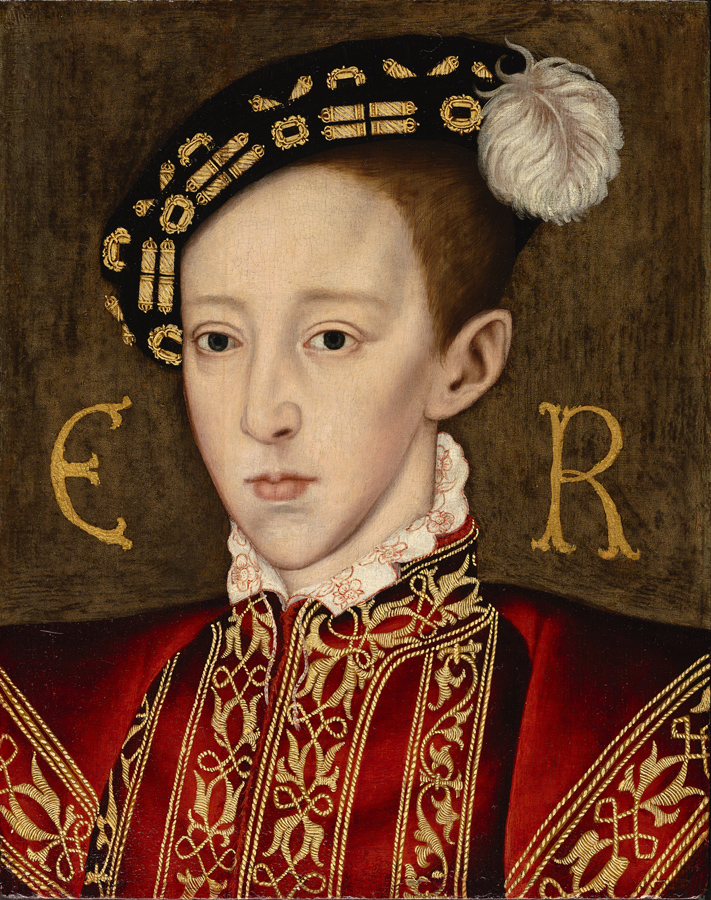
Among works attributed to him is an anamorphic portrait of Edward VI, which demonstrates a playful use of perspective that required a special viewing angle. Several portraits long attributed to anonymous Tudor artists are now linked to Scrots on stylistic grounds, and a number of his paintings are held in British and European collections for study and display. Collections and catalogues occasionally list variant spellings of his name; contemporary inventories refer to a "Scrots" at court.
Historical context and significance
Active after the death of Holbein, Scrots contributed to a transitional phase in English court portraiture. His work helped introduce aspects of continental fashion and Mannerist elongation into the visual language of the Tudor court, influencing the way royalty and nobility were represented in later decades.
Legacy and research
Because archival evidence is scarce, many facts about Scrots’ life and career remain uncertain. Art historians reconstruct his activity from paintings, payment records and references in collections. Museums and specialist catalogues continue to reassess attributions and the extent of his influence; interested readers can consult major institutional catalogues such as the Royal collection for images and notes.
- Also known as: Guillim Scrots, Scrotes, Stretes
- Active: mid‑16th century, Tudor England
- Mainly: royal and aristocratic portraiture; notable for an anamorphic portrait and Mannerist tendencies
Related articles
Author
AlegsaOnline.com William Scrots Leandro Alegsa
URL: https://en.alegsaonline.com/art/108297