
Bernese Alps
Mountain ranges in the western Swiss Alps, straddling multiple cantons; noted for high peaks, extensive glaciers (Aletsch), alpine tourism, and distinct geology and transport passes.
Overview
The Bernese Alps are a major group of mountain ranges in the western portion of the European mountain chain. They form a prominent sector of the Bernese Alps within the broader Alps and lie primarily in Switzerland. Although the name refers to the historic Bernese Oberland, the massif extends beyond the administrative borders of the canton of Bern and influences neighbouring valleys and cantons.
Image gallery
10 Images




Physical characteristics
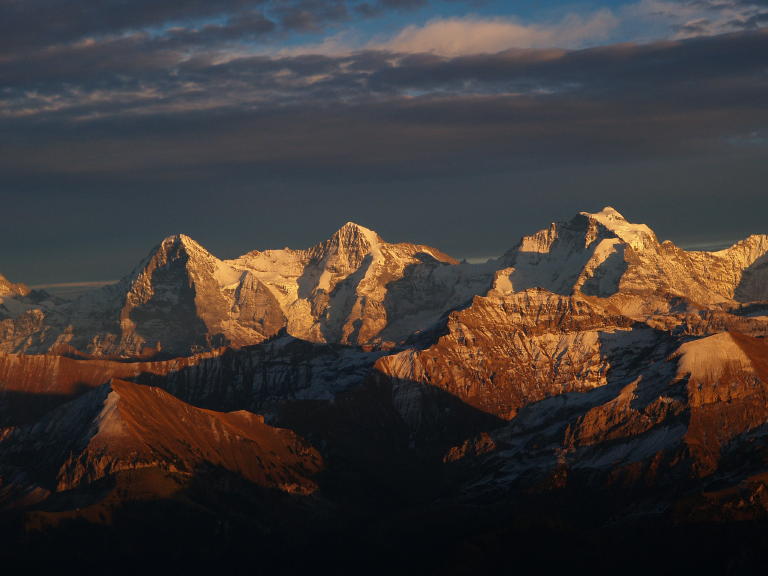
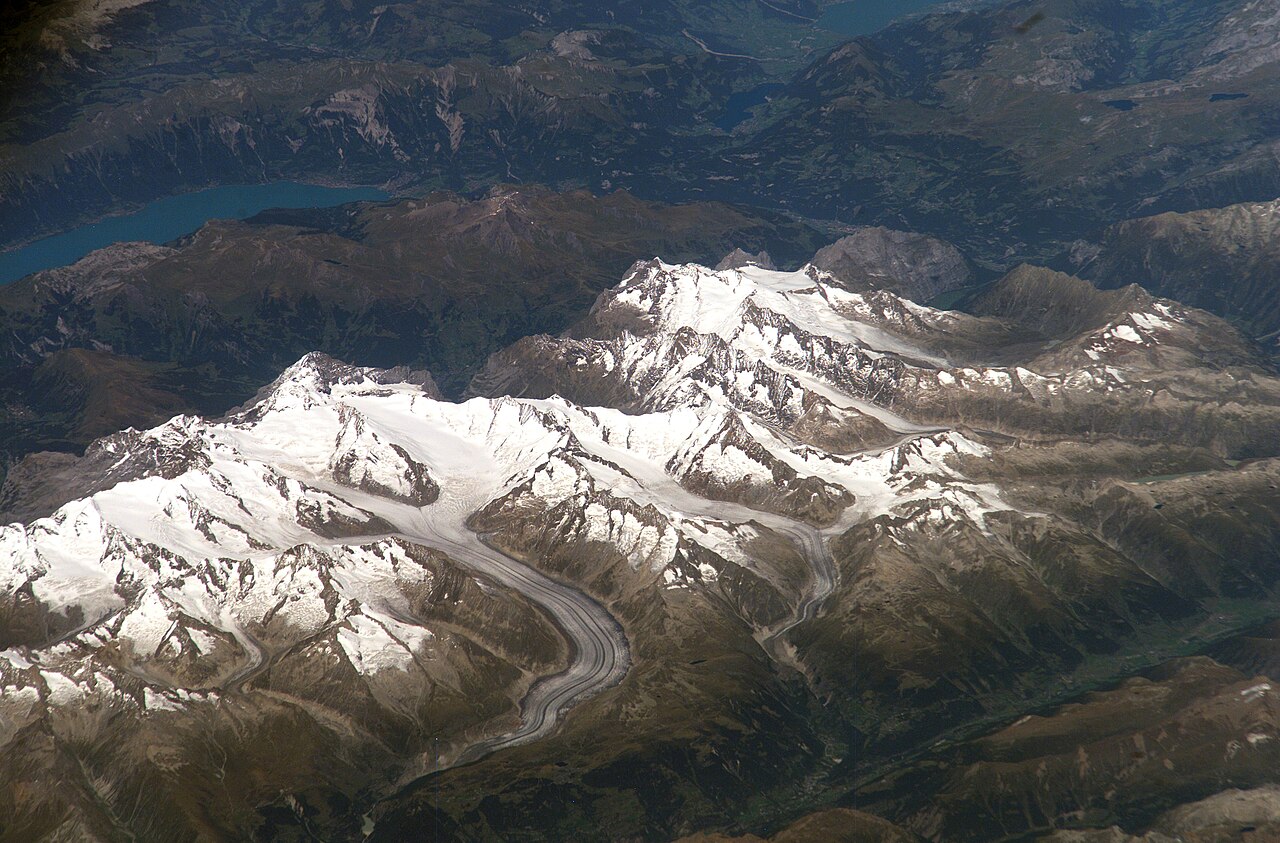
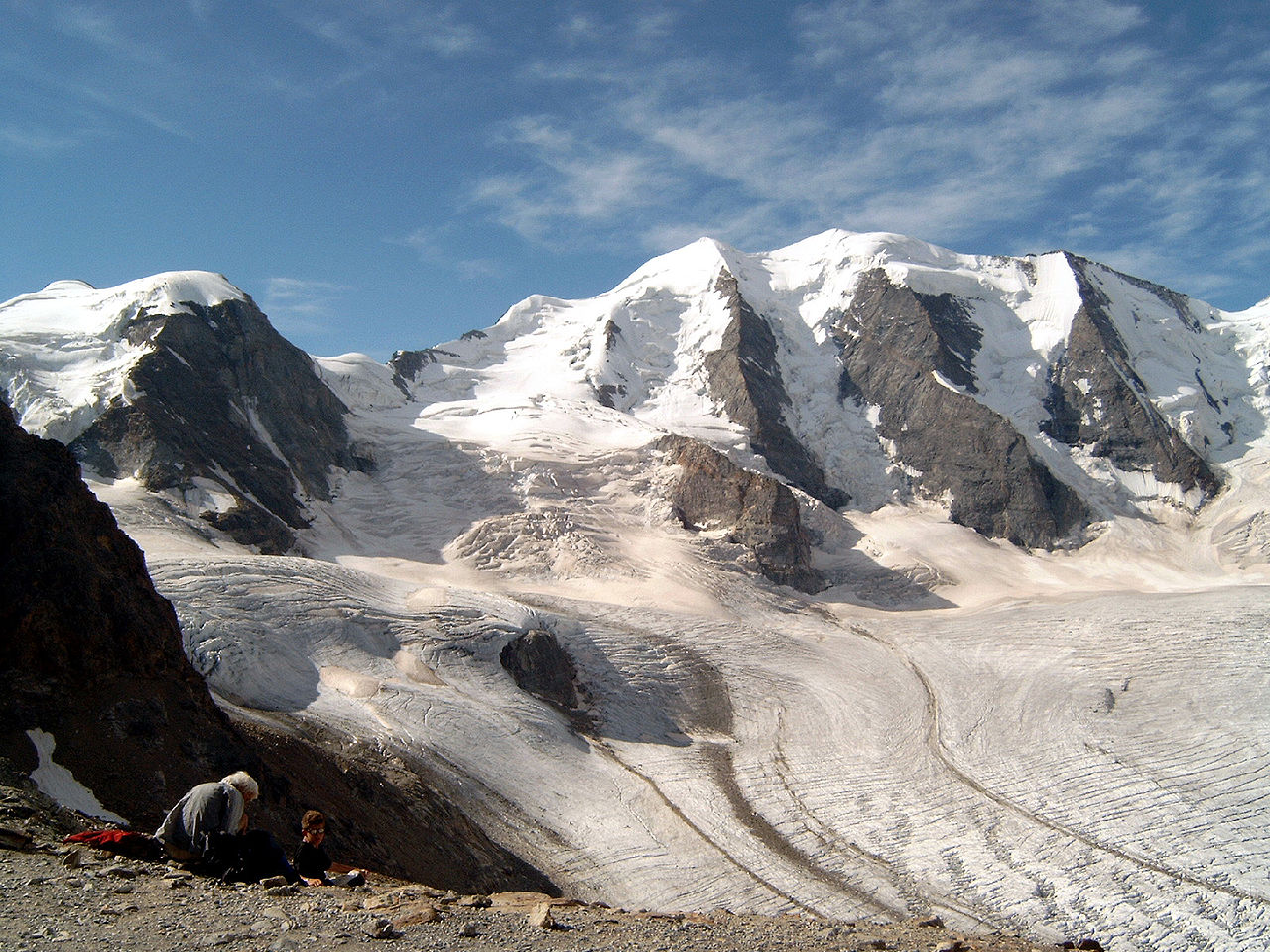
The range contains some of the Alps' highest summits, many rising above 4,000 metres, and an extensive glaciated zone dominated by the Great Aletsch Glacier and other large ice streams. Bedrock varies from crystalline basement to folded sedimentary nappes, and the landscape is strongly shaped by past and present glaciation, steep ridges, deep valleys, and high mountain passes.
Major peaks and passes
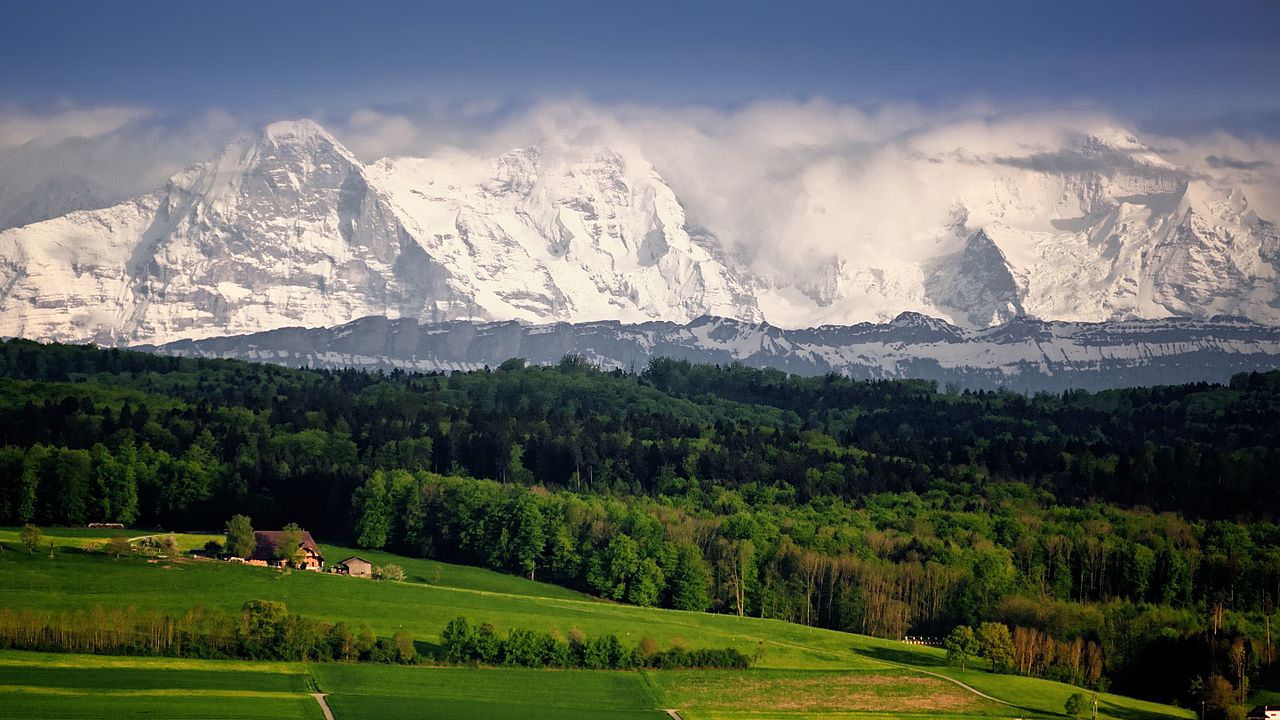
- Notable summits include the Finsteraarhorn, Jungfrau, Eiger, Mönch, Schreckhorn and Aletschhorn; several are focal points for climbing and alpine research.
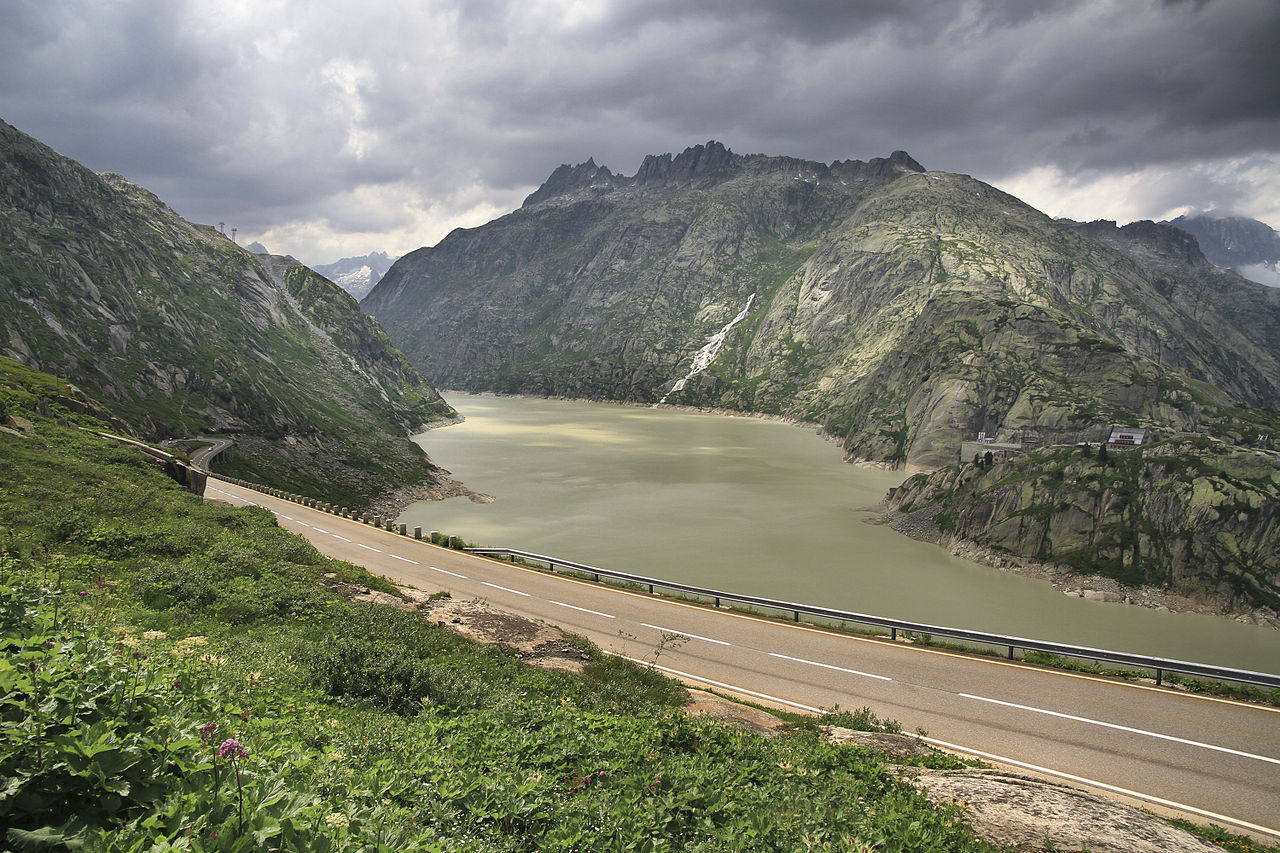
- Important mountain crossings and routes link the region to lower lands and neighbouring cantons: passes and tunnels serve both historic trade and modern transport.
Extent and administrative divisions
The massif spreads across multiple Swiss cantons. Parts lie in Vaud (Vaud), Valais (Valais), Lucerne (Lucerne) and Nidwalden (Nidwalden), while other portions reach into Fribourg, Uri and adjacent districts. This political mosaic means the Bernese Alps are managed by several local authorities for land use, conservation and mountain infrastructure.
History, human use and significance
The range was formed during the Alpine orogeny and has long supported seasonal pastoralism, timber use, and mining in lower zones. From the 19th century onward the Bernese Alps became a center of mountaineering, scientific exploration and alpine tourism. Railways, cableways and mountain huts expanded access, making famous viewpoints and glaciers more widely visited and studied.
Conservation and recreation
Parts of the region are protected for their ecological and cultural value; the glacier zone around the Jungfrau–Aletsch area is internationally recognized for its landscape, glaciology and biodiversity. Today the Bernese Alps remain important for water resources (feeding rivers and reservoirs), winter and summer recreation, alpine research, and as a symbol of Switzerland's mountain environment.
Practical notes and distinctions
When discussing the Bernese Alps, distinguish between the geographic massif and the administrative Bernese Oberland: the natural range crosses cantonal lines and therefore cannot be equated with a single political unit. Climbers, skiers and hikers should also note rapidly changing mountain weather and the varying levels of infrastructure across valleys and ridges.
For general maps and further reading see regional guides and official tourism pages for the Swiss mountain areas and canton resources linked above.
Tags
Related articles
Author
AlegsaOnline.com Bernese Alps Leandro Alegsa
URL: https://en.alegsaonline.com/art/10827