
William Laud: Archbishop of Canterbury and Advisor to Charles I
English churchman (1573–1645). Archbishop of Canterbury from 1633, influential proponent of high‑church reforms (Laudianism) and close adviser to Charles I; impeached and executed after clashing with Parliament.

William Laud (1573–1645) was an English churchman who served as Archbishop of Canterbury from 1633 and was a close adviser to Charles I. He was born in Reading and died in London. Laud became a central figure in the religious and political controversies of the 1630s and 1640s.
Image gallery
5 Images
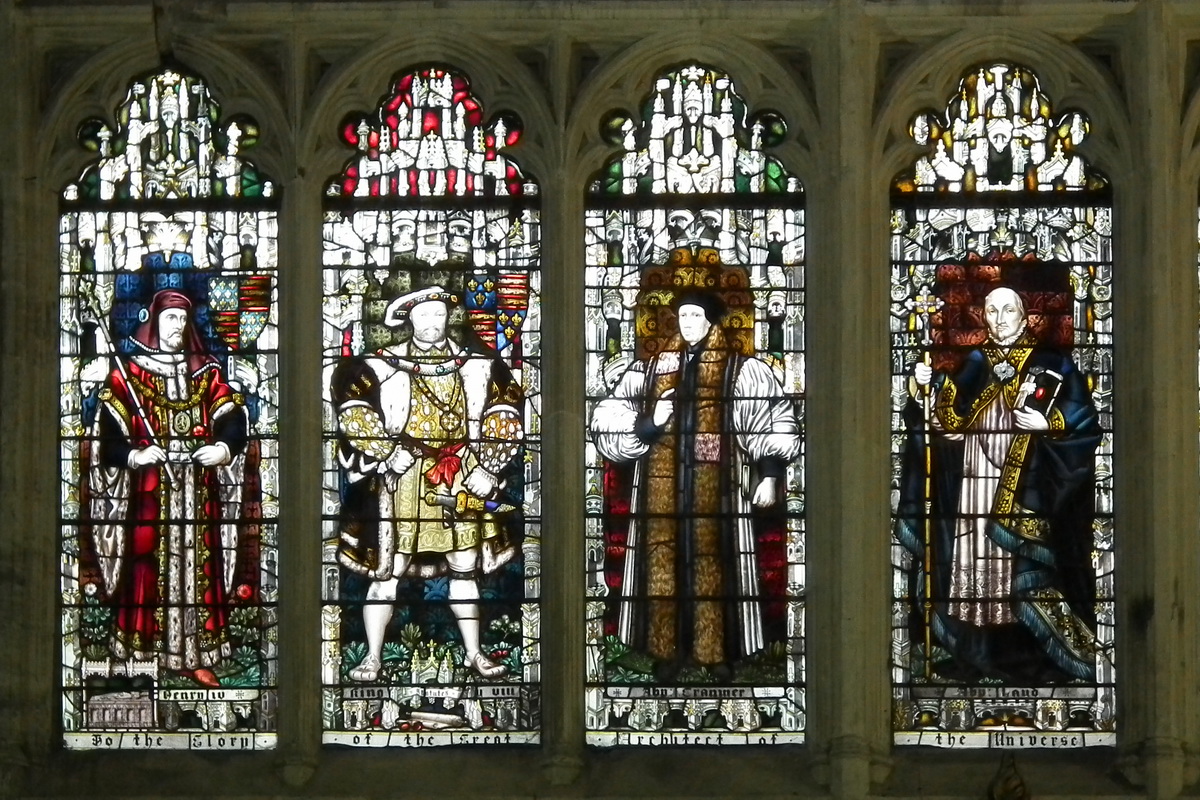
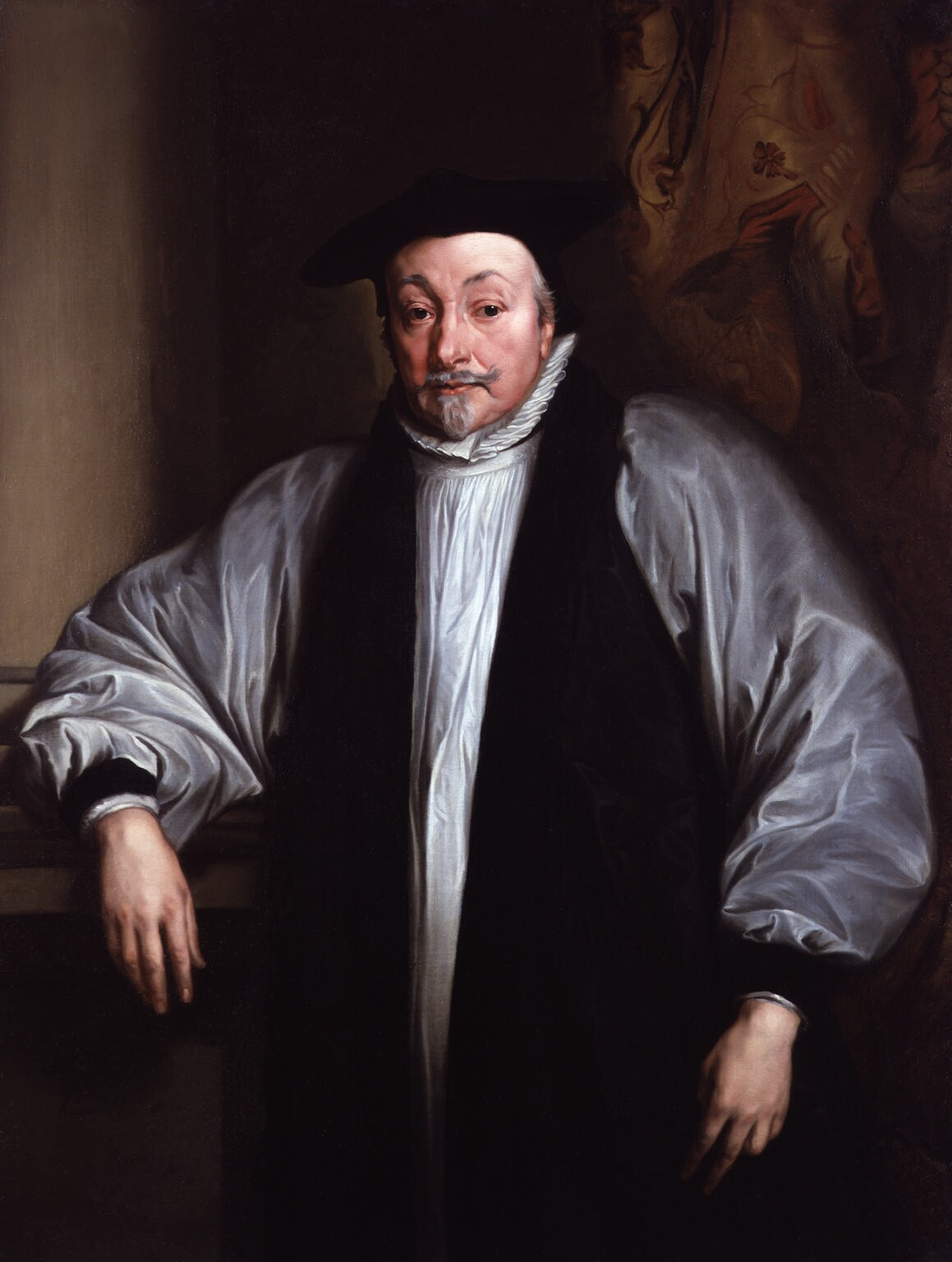


Early life and clerical career
Laud studied at Oxford and rose through university and diocesan ranks to become a senior bishop and, eventually, archbishop. Before his appointment to Canterbury he served in several ecclesiastical posts and was noted for administrative ability, strict discipline, and insistence on order in worship.
Religious policies and views
Laud is best known for promoting what later became known as Laudianism: a high‑church approach that emphasized ceremonial, the authority of bishops, and a uniform mode of public worship. He favored a more ritualistic aesthetic, stronger episcopal governance, and resisted many Puritan reforms. Supporters saw this as restoring dignity and unity to the Church of England; opponents regarded it as a drift toward Catholic practices and an infringement on conscience.
Actions and controversies
Key elements of Laud's program included enforcing conformity to the Book of Common Prayer, repositioning altars and chests to emphasize sacramental aspects of worship, and disciplining clergy who resisted official rubrics. These measures intensified conflict with Puritan ministers and with members of Parliament who feared religious innovation and royal overreach.
Impeachment, imprisonment and execution
As political tensions between king and Parliament rose, Laud's close association with royal policy made him a target. He was impeached by Parliament, imprisoned, and subjected to a prolonged trial; he was executed in 1645 after years of detention. His fall was part of the wider crisis that led to the English Civil War and major changes in church‑state relations.
Legacy and historical assessment
Laud remains a controversial figure. Historians debate whether his reforms were a sincere effort to strengthen the church's order and worship or whether they contributed to political polarization. His insistence on uniformity left a lasting mark on Anglican liturgy and provoked discussions about authority, conscience, and the limits of ecclesiastical power that influenced later religious settlement and debate.
- Born: 1573, Reading
- Archbishop of Canterbury: appointed 1633, see Archbishop of Canterbury
- Died: 1645, after impeachment and imprisonment in London
- Associated ruler: Charles I
Related articles
Author
AlegsaOnline.com William Laud: Archbishop of Canterbury and Advisor to Charles I Leandro Alegsa
URL: https://en.alegsaonline.com/art/108259