
William Lloyd Garrison: American Abolitionist and Reformer
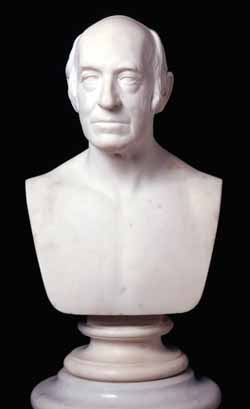
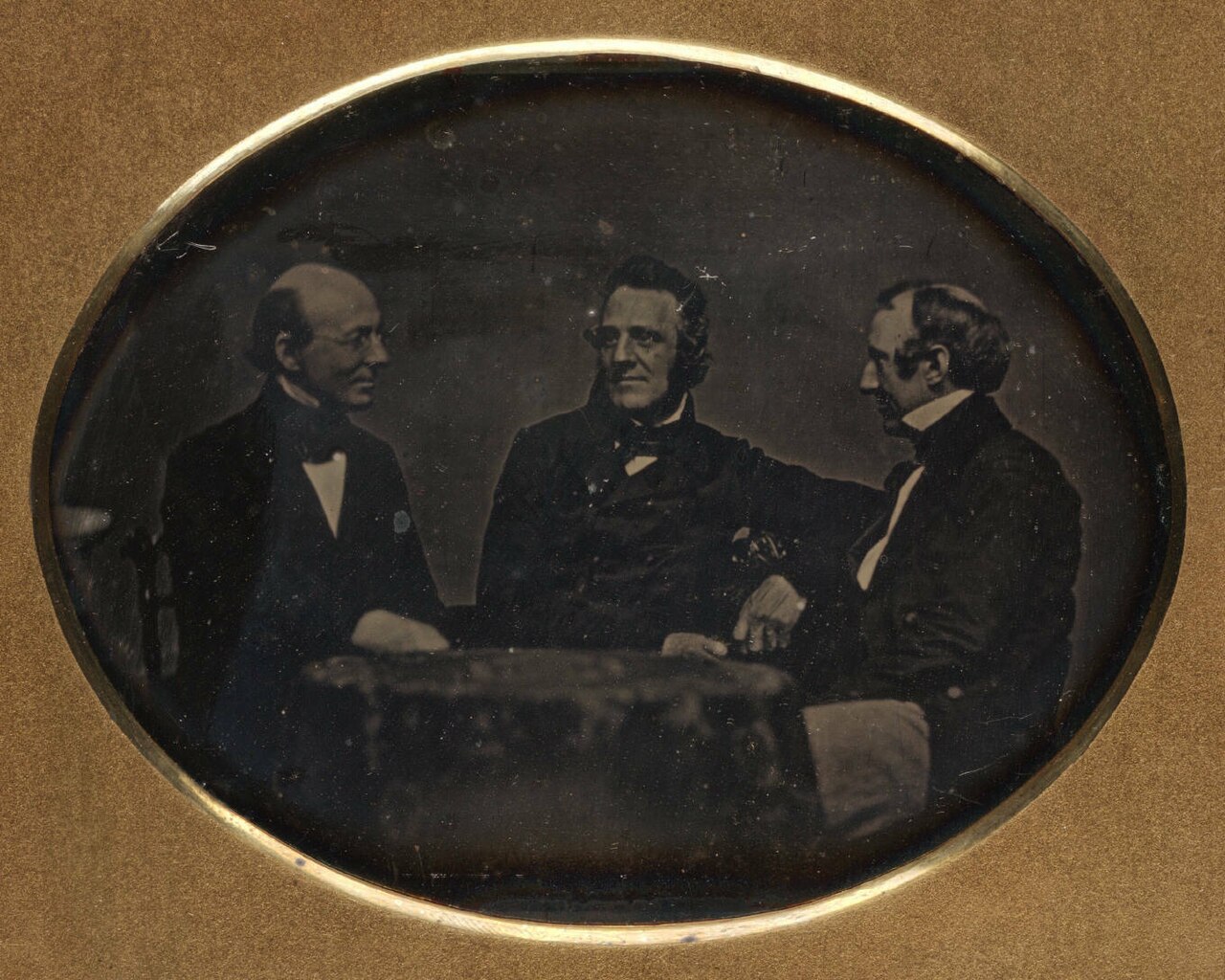
William Lloyd Garrison (1805–1879) was a leading American abolitionist, editor of The Liberator, advocate of immediate emancipation and women's rights, and a founder of the American Anti-Slavery Society.
Overview
William Lloyd Garrison was a prominent 19th-century American reformer best known for his uncompromising opposition to slavery. As an influential abolitionist voice he demanded immediate emancipation and used moral argument and the press to challenge existing institutions that tolerated slavery. He combined moral fervor with organized activism and remained a controversial but pivotal figure in antebellum reform movements.
Image gallery
10 Images




Early life and career
Born in Newburyport, Massachusetts, in 1805, Garrison entered newspaper work in his teens and developed a reputation for passionate editorial prose. He launched his most famous periodical, The Liberator, in 1831. The weekly paper provided a consistent platform for anti-slavery argument and helped build a national movement.
Beliefs, methods, and organization
Garrison advocated immediate and unconditional emancipation rather than gradual or compensated plans. He favored "moral suasion"—appealing to conscience—and promoted nonviolent means, though his rhetoric was often strident. In 1833 he helped establish the American Anti-Slavery Society to coordinate activists and spread abolitionist literature. His views also led him to reject political compromises that he believed perpetuated slavery.
Broader reform work and notable positions
Beyond abolition, Garrison supported women's rights and allied with early feminists; he believed that the fight against oppression should include gender equality. He opposed the colonization movement that sought to relocate freed Black people abroad, arguing that African Americans deserved full civil rights within the United States. His willingness to challenge institutions, including the federal government, made him a polarizing figure.
Legacy and controversies
Garrison's uncompromising stance provoked fierce opposition from pro-slavery advocates and moderate antislavery figures, who sometimes denounced him as too radical. After the Civil War and the end of legal slavery, his influence diminished but historians credit him with helping to shift public opinion and keep abolition central in national debate. He died in New York City in 1879.
Key facts and contexts
- Editor and publisher of The Liberator, a major abolitionist newspaper.
- Co-founder of the American Anti-Slavery Society and organizer of national networks of activists.
- Supported women's suffrage and equal rights; his alliances helped link reform movements.
- Opposed colonization and political compromises that accepted slavery.
- Born in Newburyport, Massachusetts, in 1805; died in New York City in 1879.
Garrison's life illustrates how journalism, moral conviction, and organizational work combined to influence large social changes. While his methods and tone remain debated, his role in American abolitionism is widely recognized as central to the movement's persistence and eventual success.
Related articles
Author
AlegsaOnline.com William Lloyd Garrison: American Abolitionist and Reformer Leandro Alegsa
URL: https://en.alegsaonline.com/art/108262
Sources
- britannica.com : William Lloyd Garrison"