
William Lewis (chess player)
English chess player and author (1787–1870), noted for the Lewis Countergambit and an early use of the term “Grandmaster”; contributor to 19th‑century chess instruction and opening theory.
William Lewis (1787–1870) was an English chess player and writer active in the first half of the 19th century. He is remembered today primarily for two linked reasons: an opening that bears his name, the Lewis Countergambit, and his early reputation as a leading professional player, at times described with the honorific "Grandmaster" in contemporary accounts.
Lewis worked during a formative era for modern chess, when organized play, published game collections and instructional manuals were helping to shape standard practice. As a professional player and teacher he belonged to the London chess scene of his day, contributing to the spread of structured lessons and annotated games that students could study away from the board.
Image gallery
1 Image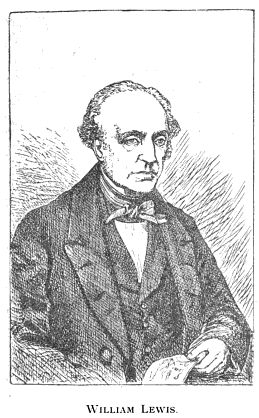
Writings and teaching
He authored several books and pamphlets aimed at instructing club players and recording notable contests. Lewis's publications emphasized practical exercises, endgame technique and opening ideas, reflecting the didactic approach popular with 19th‑century tutors. His work helped codify ideas that later writers would refine and systematize.
Openings and the Lewis Countergambit
The Lewis Countergambit is the opening most closely associated with his name. It is a sharp, tactical reply in which a player willingly sacrifices material or structure to seize the initiative and open lines for active piece play. Historically it has been used as a surprise weapon in club matches and occasional analysis, and is often cited as an example of the combative spirit of early Romantic chess.
Although modern opening theory has moved toward deeper positional understanding, Lewis's emphasis on practical attacking chances and clear instruction remained valuable to learners. His annotated games offer snapshots of competitive thinking in the period and serve as a primary source for historians of the game's evolution.
Legacy and notable facts
- Associated eponym: the Lewis Countergambit, still mentioned in historical opening surveys.
- Remembered as an influential teacher and author whose works reached amateur and club players.
- Occasionally cited in period accounts as a "Grandmaster"—an early use of the term to praise a leading practitioner.
For readers wishing to explore original accounts and editions, a number of Lewis's writings and game collections are discussed in historical studies and bibliographies; see more on William Lewis for starting references.
Related articles
Author
AlegsaOnline.com William Lewis (chess player) Leandro Alegsa
URL: https://en.alegsaonline.com/art/108261