
William Ellery: Rhode Island Delegate and Signer of the Declaration
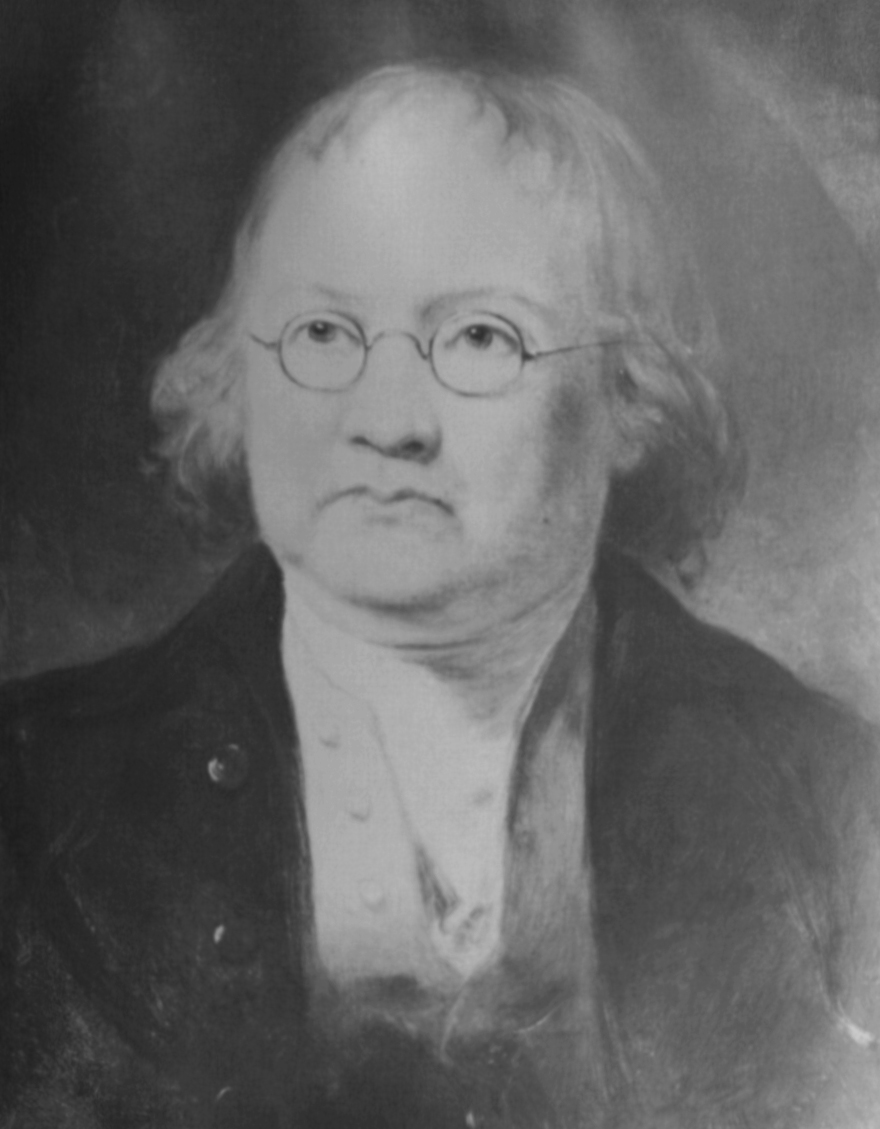
William Ellery (1727–1820) was a merchant and statesman from Rhode Island who signed the United States Declaration of Independence and served his state in the Continental Congress and public offices.
Overview
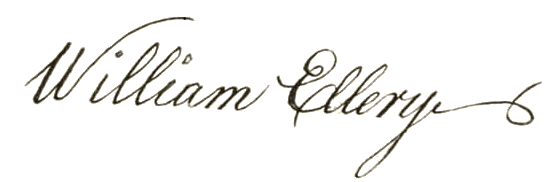
William Ellery (December 22, 1727 – February 15, 1820) was an American merchant and public official best known as one of the signers of the United States Declaration of Independence. He represented Rhode Island in the Continental Congress and placed his name among the signers in 1776; historically his signature appears four names below John Adams on surviving copies of the Declaration, a detail often noted in studies of the document's autographs (signature position).
Image gallery
10 Images


Early life and career
Born in the Rhode Island colony in the 1720s, Ellery trained originally in commerce and worked as a merchant in Newport and surrounding towns. Like many provincial leaders of his day, he combined business pursuits with legal and civic activity, acquiring practical knowledge of law and administration that led to service in local and colonial offices. His background as a businessman and community leader helped propel him into politics as the struggle with Britain intensified in the 1760s and 1770s.
Role in the Continental Congress
Ellery was chosen as a delegate from Rhode Island to the Continental Congress during the Revolutionary period. In that national assembly he joined other colonial representatives in debating the question of independence and in taking the formal step of endorsing the Declaration in 1776. Although not among the most prominent national figures of the Revolution, his participation reflected Rhode Island's voice and helped give full representation to the smaller New England colony at a critical moment.
Later life and public service
Following his time in the national assembly, Ellery returned to Rhode Island and continued in public life, holding a series of civic offices and remaining an influential local figure. He lived to an advanced age, passing away in 1820; his long life meant he witnessed the formation and early decades of the new republic he helped to create.
Family, descendants, and legacy
Ellery's family line includes several later figures notable in American literary and cultural history. Some of his descendants have been identified among writers, clergy and performers; these include the preacher William Ellery Channing and, by later generational links, figures such as Richard Henry Dana and members of the Sedgwick family. Contemporary actors and artists sometimes cited as descendants include Kyra Sedgwick and Edie Sedgwick in extended family pedigrees (notable descendants). Locally his name is preserved in place names such as Ellery Avenue in Middletown, Rhode Island.
Notable facts
- Ellery signed the Declaration in 1776 and his autograph appears among the Rhode Island delegation (signature details).
- He combined commercial experience with public service, a common path for colonial leaders.
- Ellery lived into his nineties, outliving many contemporaries and witnessing the early republic's development.
Today William Ellery is remembered primarily for his role as a signer of the Declaration of Independence and as a representative of Rhode Island during the Revolution. His life illustrates the contribution of provincial businessmen and civic leaders to the American founding and the way family lines can connect early revolutionary figures to later cultural personalities.
Related articles
Author
AlegsaOnline.com William Ellery: Rhode Island Delegate and Signer of the Declaration Leandro Alegsa
URL: https://en.alegsaonline.com/art/108218