
William Floyd (1734–1821), New York signer of the Declaration of Independence
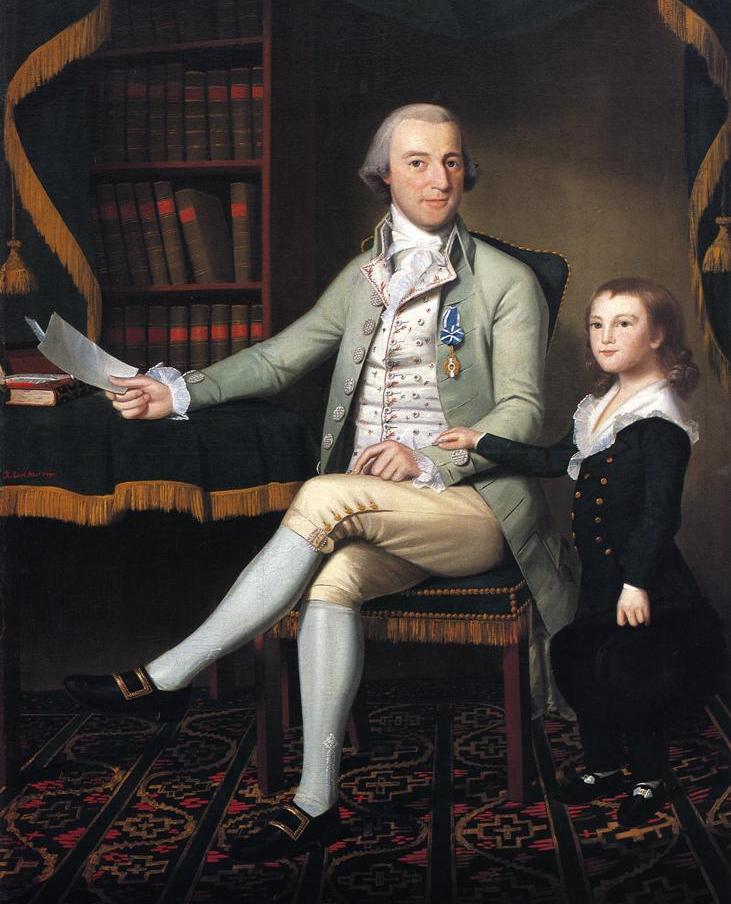
William Floyd (1734–1821) was a Long Island landowner and delegate from New York who signed the Declaration of Independence and participated in Revolutionary and early republic politics.
Overview
William Floyd (December 17, 1734 – August 4, 1821) was a prominent Long Island landowner and public official who represented New York as a delegate to the Continental Congress and became one of the signers of the Declaration of Independence. His public life linked local affairs on eastern Long Island with the larger struggle to establish the United States.
Image gallery
6 Images




Early life and background
Born into a well-established family on Long Island, Floyd managed agricultural and commercial interests typical of prosperous colonial households. He came to local prominence through community service, the militia, and involvement in county government. His social and economic position helped propel him into political life at a time of intensifying conflict with Britain.
Role in the Revolution
As a member of New York's revolutionary committees and later as a delegate to the Continental Congress, Floyd supported independence for the colonies. He affixed his signature to the Declaration as a representative of New York, an act that marked him as a leading patriot and exposed him and his family to the hazards that faced signers—confiscation of property, military danger, and social consequences during wartime.
Public service after independence
Following the Revolutionary War, Floyd continued in public life, serving in state government and participating in the institutions of the new republic. Like several other Founding-era figures, he moved between local responsibilities and broader political roles, helping to shape New York's postwar governance and the early federal system.
Estate, family, and legacy
Floyd maintained his estate on Long Island throughout his life. Portions of the family property and the surviving house have been recognized for their historical association with the Revolution and the early republic; these sites help interpret rural Loyalist and patriot experiences during the late 18th century. His descendants and the community of Long Island remember him principally as a signer and civic leader.
Notable facts
- One of New York's delegates to the Continental Congress who signed the Declaration.
- Long Island landowner whose local influence bridged county and national politics.
- After the war, remained active in public affairs and helped establish post‑Revolution institutions.
Taken together, William Floyd's life illustrates how regional leaders from places like eastern Long Island contributed to independence and then to the practical work of building state and federal government in the early United States.
Related articles
Author
AlegsaOnline.com William Floyd (1734–1821), New York signer of the Declaration of Independence Leandro Alegsa
URL: https://en.alegsaonline.com/art/108222
Sources
- hpschools.org : hpschools.org/education/school/school.php?sectionid=2