
William C. Oates: Confederate Officer, Alabama Politician, and Later U.S. Brigadier
William C. Oates (1833–1910) was a Confederate officer turned Alabama politician who served in state and federal offices and returned to military duty as a U.S. brigadier during the Spanish–American War.
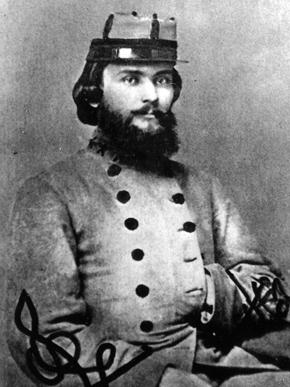
William Calvin Oates (born late 1833; died September 9, 1910) was a prominent 19th-century American military officer and politician. He first rose to public notice as an officer in the Confederate army during the American Civil War, holding the rank of colonel of an Alabama regiment. Decades later he accepted a commission as a brigadier general in 1898 and served in the Spanish–American War. Between his military services he pursued law and a lengthy political career in Alabama and Washington, D.C.
Early life and legal career. Oates was born in Pike County, Alabama, in late 1833 (sources differ on whether his birthday was November 30 or December 1). He read law, passed the bar, and established a practice in the town of Abbeville. His early experience as a lawyer and planter placed him among the region’s civic leaders and paved the way for military and political roles after secession and the Civil War.
Civil War service and reputation. During the Civil War Oates commanded Alabama troops in many engagements and became associated with some of the conflict’s better-known regiments. He earned a reputation for steadiness under fire and for the care of the men he led. His wartime record made him a recognizable figure among veterans and helped shape his postwar standing in Alabama society.
Political career and public life. After the war Oates returned to law and entered politics as a Democrat. He served in the Alabama House of Representatives from 1870 to 1872 and later won election to the United States House of Representatives as a congressman from Alabama, holding that office from 1881 until 1894. In 1894 he became Governor of Alabama, serving a single term during a period of political realignment and economic change in the post-Reconstruction South. His public roles included advocacy for veterans’ interests and participation in debates over state and federal policies of the era.
Return to military service and later years. In the summer of 1898, amid the Spanish–American War, Oates accepted federal service as a brigadier and commanded troops in the U.S. Volunteers. Although this episode was brief and came at the end of his public career, it demonstrated the continued pattern of Southern veterans taking part in national service decades after the Civil War.
Image gallery
4 Images


Key facts
- Born in Pike County, Alabama (late 1833).
- Practiced law in Abbeville before and after the Civil War.
- Served as a Colonel in the American Civil War on the Confederate side and later as a Brigadier General in the Spanish–American War.
- Member of the Alabama House of Representatives (1870–1872).
- U.S. Representative from Alabama (1881–1894) to the United States House of Representatives.
- Governor of Alabama (1894–1896) — notable as a post-Reconstruction Democratic officeholder.
- Died in Montgomery, Alabama, on September 9, 1910; buried locally.
Legacy and context. Oates’s life illustrates a common pattern in the late 19th-century South: military service in the Civil War, subsequent prominence in local and national politics as part of the Democratic Redeemer movement, and occasional return to federal service. He remained a figure of interest to historians of the Civil War and of Alabama politics, both for his military record and for his role in the political transformations of the Gilded Age. For further reading on specific campaigns, political debates, and the units he led, consult specialist works on Alabama’s Civil War regiments and on late 19th-century Southern politics (Confederate sources, congressional records, and accounts of the Spanish–American War).
Related articles
Author
AlegsaOnline.com William C. Oates: Confederate Officer, Alabama Politician, and Later U.S. Brigadier Leandro Alegsa
URL: https://en.alegsaonline.com/art/108200