
William Clito (1102–1128), Norman prince and claimant to Normandy and Flanders
William Clito (1102–1128), son of Robert Curthose, was a Norman royal claimant who opposed King Henry I of England, briefly became Count of Flanders and figured prominently in Anglo‑French politics.
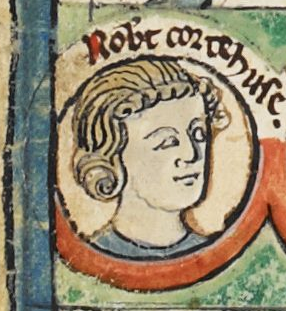
William Clito (1102–1128) was a member of the Norman ducal house and a prominent claimant to both the Duchy of Normandy and the County of Flanders in the early 12th century. He was the son of Robert Curthose, Duke of Normandy, and a grandson of William the Conqueror. His byname "Clito" comes from a Latin term equivalent to the Anglo‑Saxon Aetheling, meaning a person of royal blood or a prince.
Image gallery
5 Images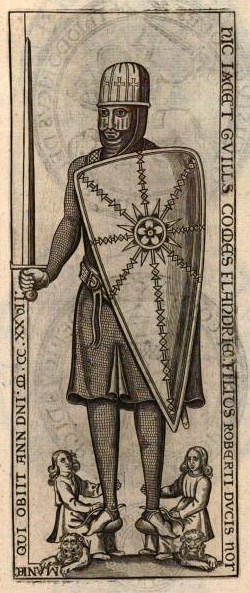


Background and claim
After Robert Curthose was defeated and captured by his brother Henry I of England at the Battle of Tinchebray (1106), William Clito grew up as the leading dynastic alternative to Henry. His lineage—direct descent from the Norman ducal line—made him a focal point for barons and foreign rulers who opposed Henry's control of Normandy. The French king, Louis VI, in particular supported William as a counterweight to Anglo‑Norman power.
Rebellions and military career
During the 1110s and 1120s William served as the figurehead for several rebellions against Henry I. He received backing from discontented Norman barons and from the French crown. William suffered setbacks, most notably when forces allied with Henry achieved victory at the Battle of Brémule in 1119, a defeat that weakened his immediate prospects in Normandy.
Count of Flanders and final struggle
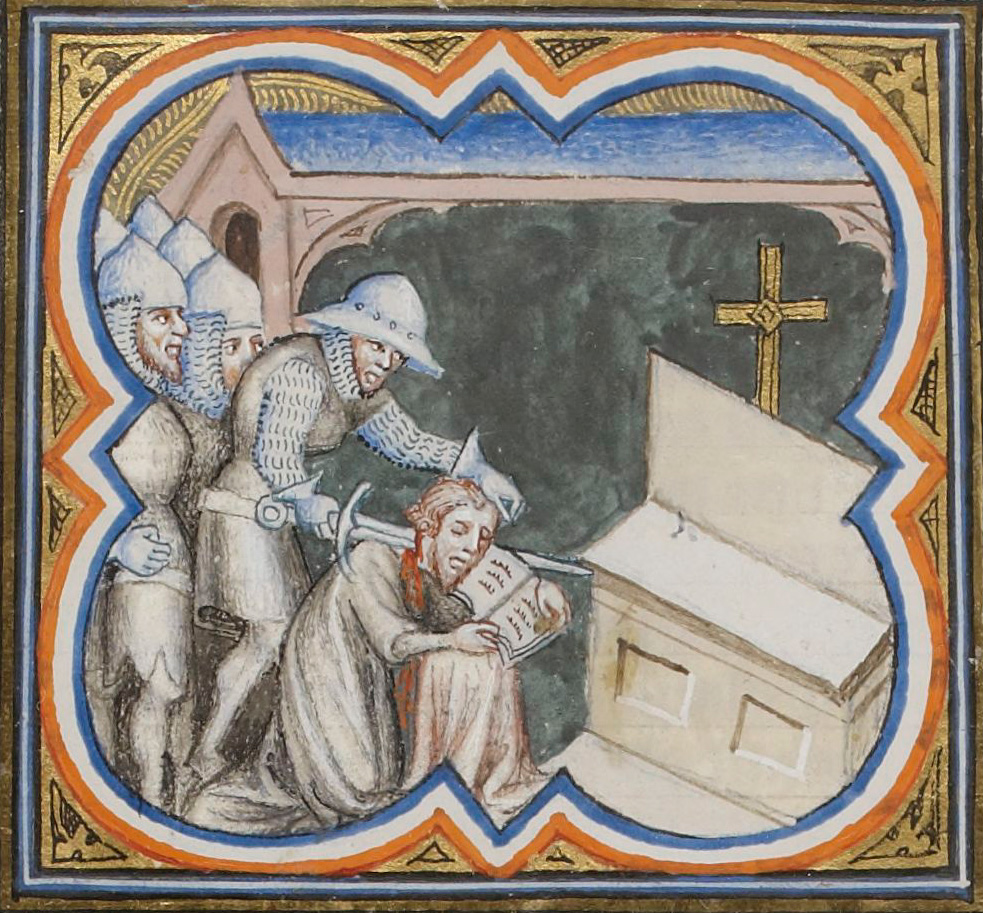
The assassination of Charles the Good of Flanders in 1127 opened a new opportunity. Flemish nobles invited William to succeed as count, and he accepted the offer, securing recognition from his supporters and continued backing from Louis VI. His rule in Flanders was contested by other claimants and by Henry I, who preferred rivals and used diplomatic and military pressure to undermine William's position. In 1128 William died while fighting to preserve his authority in Flanders; his sudden death ended his bid to recover Normandy and left his supporters dispersed.
Significance and legacy
William Clito's importance lies less in long‑term achievements than in his role as a dynastic symbol. As a royal scion he embodied the Norman line and consistently drew international support against Henry I. His career illustrates the interplay of family claims, baronial unrest, and Anglo‑French rivalry that shaped northwestern Europe after the Norman Conquest. Though his life was brief, William's cause influenced succession politics in both Normandy and Flanders during a turbulent period.
- Parentage: son of Robert Curthose, grandson of William the Conqueror.
- Titles: recognized by supporters as titular Duke of Normandy and later as Count of Flanders (Count of Flanders, Duke of Normandy).
- Historical role: figurehead for anti‑Henry coalitions backed by the French crown.
For more on the period and competing claims surrounding William Clito, see introductions to Normandy and Flanders of the early 12th century and the reigns of Henry I and Louis VI.
Questions and answers
Q: Who was William Clito?
A: William Clito was the Count of Flanders and the titular Duke of Normandy.
Q: What does the epithet "Clito" mean?
A: The Latin term "Clito" means the same as the Anglo-Saxon "Aetheling", which both signify a man of royal blood or prince in modern terms.
Q: What was William Clito's title as the leader of Normandy?
A: William Clito was the titular Duke of Normandy.
Q: What is the definition of the term "Aetheling"?
A: The term "Aetheling" is an Anglo-Saxon term that means a man of royal blood or prince in modern English.
Q: What does the term "Clito" signify?
A: The term "Clito" is a Latin term that means the same as "Aetheling" and signifies a man of royal blood or prince.
Q: What was the cultural significance of the term "Clito" in William Clito's time?
A: In William Clito's time, the term "Clito" was culturally significant because it signified his royal blood and status as a prince.
Q: When did William Clito live?
A: William Clito lived from 1102 to 1128.
Related articles
Author
AlegsaOnline.com William Clito (1102–1128), Norman prince and claimant to Normandy and Flanders Leandro Alegsa
URL: https://en.alegsaonline.com/art/108204