
Willi Stoph: East German statesman and long-serving government leader
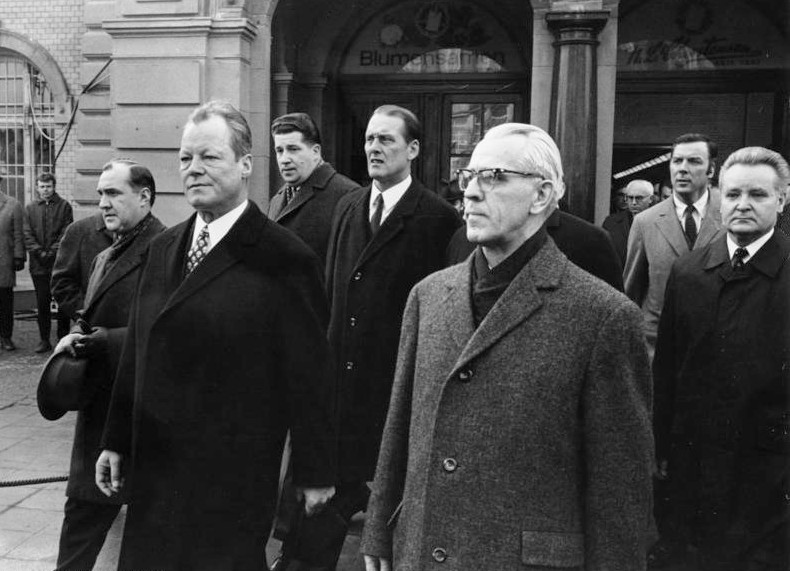
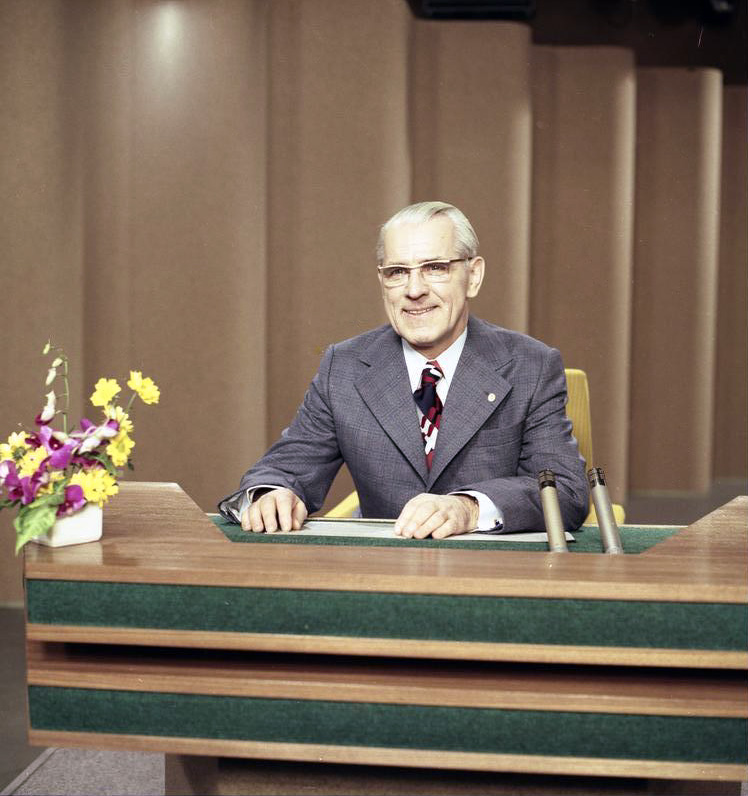
Willi Stoph (1914–1999) was an East German politician who served as Chairman of the Council of Ministers (Prime Minister) and as Chairman of the State Council (head of state). He was a central figure in GDR governance until 1989.
Willi Stoph (born July 9, 1914 in Berlin; died April 13, 1999 in Berlin) was a prominent East German politician and a senior figure in the Socialist Unity Party (SED). Over three decades he held the GDR's two highest offices: he served as Chairman of the Council of Ministers (Prime Minister) from 1964 to 1973 and again from 1976 to 1989, and as Chairman of the State Council (the collective head of state) from 1973 to 1976. For basic biographical references see biographical note, his Berlin origins are noted at local records, and further summaries appear at archival listings.
Image gallery
5 Images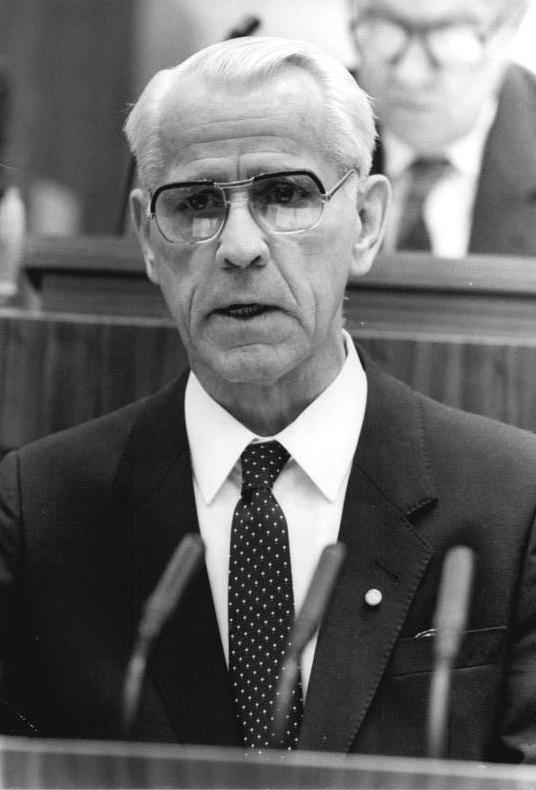


Political career and offices
Stoph rose through the party apparatus in the Soviet occupation zone and then the German Democratic Republic. His tenure in top government posts made him one of the most visible administrators of the GDR state. Key offices held include:
- Chairman of the Council of Ministers (Prime Minister): 1964–1973 and 1976–1989
- Chairman of the State Council (head of state): 1973–1976
- Longtime member of the SED leadership bodies and the People's Chamber
Role and responsibilities
As Chairman of the Council of Ministers, Stoph led the government and was responsible for economic planning, administration and implementation of policy set by the SED. The Chairman of the State Council was the GDR's ceremonial and constitutional head of state, a role that also carried symbolic and diplomatic responsibilities. Holding both posts at different times reflected Stoph's position within the party-state hierarchy.
Historical context and significance
Stoph's career spanned periods of consolidation, détente with West Germany, and the later years of East German stagnation. He participated in the governance model that combined party leadership with state institutions, and his name is associated with the routines of the planned economy and centralized decision-making. During the political upheaval of 1989, when mass protests and reform pressures led to rapid change in the GDR, Stoph was removed from his post as part of the broader collapse of SED rule.
Legacy and assessment
Assessments of Stoph are mixed: he is remembered as a durable administrator who helped maintain state functions for decades, but also as a representative of an authoritarian system that limited political freedoms. After German reunification he lived in Berlin until his death in 1999. Historians consider his long service useful for understanding how the GDR's institutions operated and how party and state roles were intertwined.
Related articles
Author
AlegsaOnline.com Willi Stoph: East German statesman and long-serving government leader Leandro Alegsa
URL: https://en.alegsaonline.com/art/108182
Sources
- ddr-geschichte.de : DDR Biographies
- commons.wikimedia.org : Willi Stoph