
Wienerwald (Vienna Woods): geography, ecology and cultural significance
The Wienerwald or Vienna Woods is a forested highland region southwest of Vienna. This article explains its geography, ecology, history, recreational use and conservation status.
Overview
The Wienerwald (literally "Vienna Woods", Bavarian dialect Weanawoid) is a broad, forested highland area immediately southwest of Vienna. Covering roughly one thousand square kilometres, it forms a wooded belt at the northeastern edge of the Alpine foothills and is a prominent natural landmark for the surrounding provinces of Lower Austria and parts of the Viennese municipal area. The region's shape is elongated, approximately 45 km in length and 20–30 km across in places.
Image gallery
7 Images



Geography and geology
The Wienerwald marks the transition between lowland river plains and the rising mountains of the Alps. Its geology is mixed: eastern and lower portions are dominated by flysch and sandstone formations, while western sectors include limestone ridges and higher summits. Elevations vary; many hills are modest, but some peaks reach about 800–900 metres. Several rivers and springs originate in the woods, feeding streams that flow toward Vienna and the surrounding valleys.
Ecology and land use
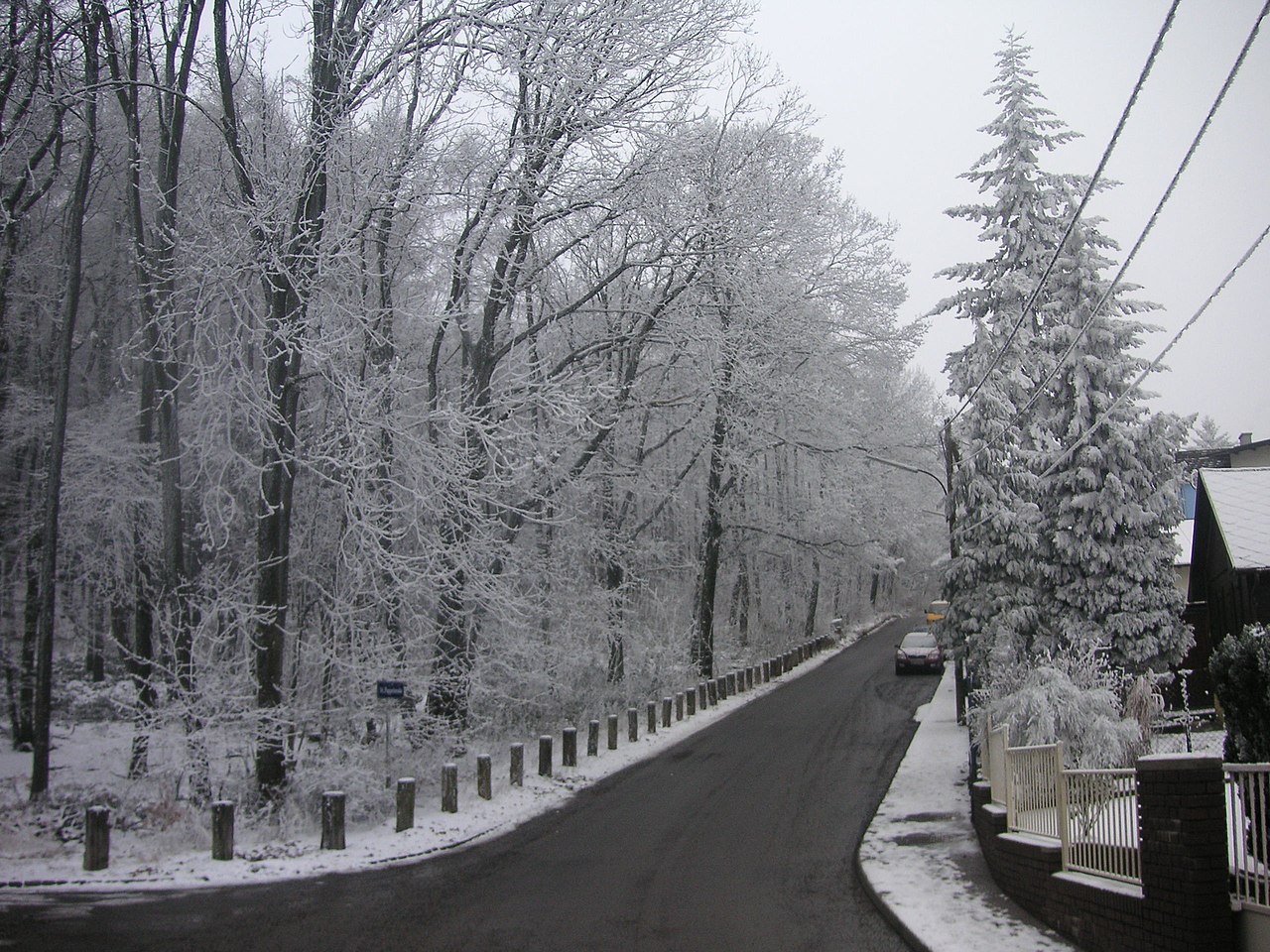
Vegetation is mainly temperate mixed forest. Common tree species include beech, oak, hornbeam and conifer stands in steeper or higher sites. The mosaic of woods, meadows and cultivated edges supports diverse wildlife and a range of habitats. Human use is long-standing: timber and charcoal historically shaped the landscape, while vineyards, orchards and small settlements border the forest. The area around the Wienerwald includes towns, spas and traditional wine taverns.
History and cultural importance
The Wienerwald has been important for outdoor recreation, spiritual sites and monastic foundations for many centuries. Cistercian abbeys and historic routes lie within its bounds. In modern times it became a favored escape for Viennese residents, with lookout hills, trails and spa towns such as Baden gaining popularity. The forested region has inspired artists and writers and remains a cultural symbol of Vienna's green hinterland.
Protection, recreation and examples
Large parts of the Wienerwald are protected through local nature parks and the UNESCO-designated Wienerwald Biosphere Reserve established in the early 21st century. Visitors use an extensive network of hiking and cycling paths, lookout points and marked trails. Typical places of interest include historic monasteries, panoramic hills and river valleys.
- Forest habitats and species
- Alpine foothill geology
- Lower Austria towns and services
- Access from Vienna
The Wienerwald remains both a functional landscape for forestry and agriculture and a valued recreational and conservation area close to one of Central Europe's major cities.
Related articles
Author
AlegsaOnline.com Wienerwald (Vienna Woods): geography, ecology and cultural significance Leandro Alegsa
URL: https://en.alegsaonline.com/art/107981