
Widescreen: video formats, aspect ratios, and practical use
Widescreen refers to display formats wider than the traditional 4:3 shape, commonly associated with 16:9 for modern TVs and many film formats; it affects composition, home video, and display design.
Overview
Widescreen describes display shapes and video formats whose width is noticeably larger than their height. In practical use the term often denotes modern television and monitor shapes that are wider than the older square-like standards. Widescreen presentation changes how images are composed and viewed, permitting broader landscapes, multi-subject shots, and letterboxing or pillarboxing strategies when converting between formats.
Image gallery
3 Images

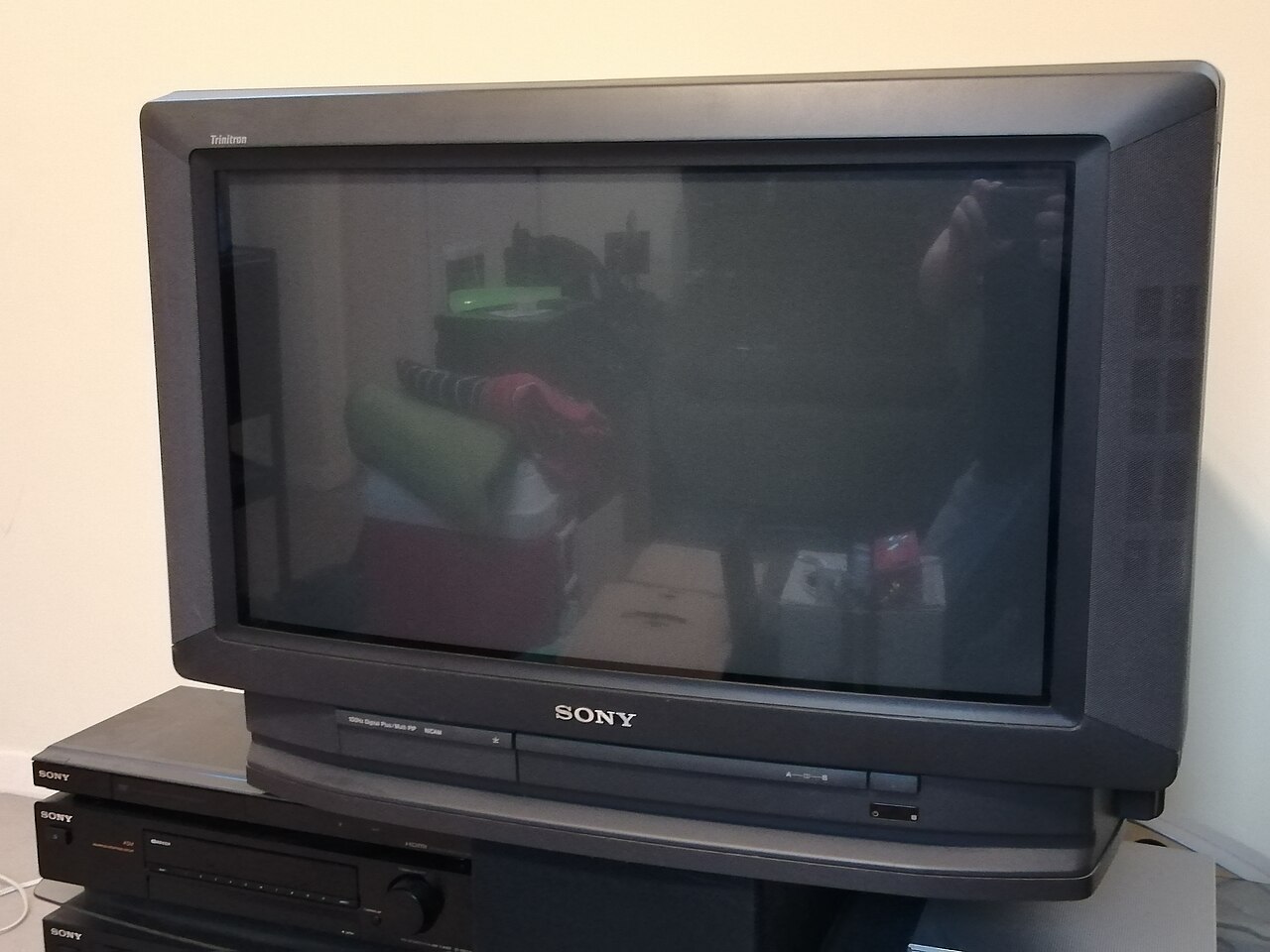
Aspect ratios and technical characteristics
The most commonly encountered widescreen ratio in consumer electronics is 16:9, which has become the de facto standard for high-definition television and many computer monitors. Another frequently seen widescreen family comes from motion-picture practice, where ratios such as 1.85:1 and 2.39:1 are used to create a much wider cinematic look. These numbers express a relationship between width and height — for instance, a 16:9 screen is 16 units across for every 9 units of height — and they apply regardless of the actual physical size of the display.
History and development
Widescreen emerged as a distinct option in cinema during the mid-20th century when filmmakers and studios sought new visual experiences. Several wide film processes and lenses were developed to increase the field of view and to distinguish theatrical presentations from television. In the late 20th and early 21st centuries, the rise of digital broadcasting, HDTV standards, and consumer demand for broader displays led to widescreen becoming the norm for new televisions and many monitors.
Practical uses and examples
Widescreen formats are central to both creative and practical decisions. Filmmakers use wide frames to emphasize scale and to stage multiple actors across a scene. In television and streaming, 16:9 balances cinematic width with comfortable home viewing. Computer users often prefer widescreen monitors for side-by-side windows, spreadsheets, or immersive gaming. When content created for one ratio is shown on another, common solutions include cropping, letterboxing (black bars top and bottom), or pillarboxing (bars at the sides) to preserve the original image without distortion.
Notable distinctions and facts
- Widescreen is a descriptive category, not a single technical standard; different industries favor different ratios.
- Some television programs and older films were originally produced in 4:3; conversion to widescreen can change composition.
- Displays of the same ratio can be manufactured at many sizes — a ratio is scale-independent.
Further reading and resources
For technical specifications and comparative discussions, consult technical references and standards documents or introductory guides to aspect ratios and display technology. Example resources include general overviews (technical overview), television standard histories (television standards), film aspect-ratio guides (film ratios), and practical conversion tutorials (conversion guide). Manufacturer information and monitor specifications can be useful when choosing hardware (display specs), while educational articles explain composition for widescreen cinematography (composition notes) and the implications for home video playback (playback considerations).
Understanding widescreen helps viewers, creators, and technicians choose formats and display equipment that best serve artistic intent and practical needs.
Related articles
Author
AlegsaOnline.com Widescreen: video formats, aspect ratios, and practical use Leandro Alegsa
URL: https://en.alegsaonline.com/art/107962