
White mustard (Sinapis alba)
White mustard (Sinapis alba) is an annual Brassicaceae plant grown for its pale seeds, edible greens and oil; used as a condiment, cover crop and biofumigant with a long cultivation history.
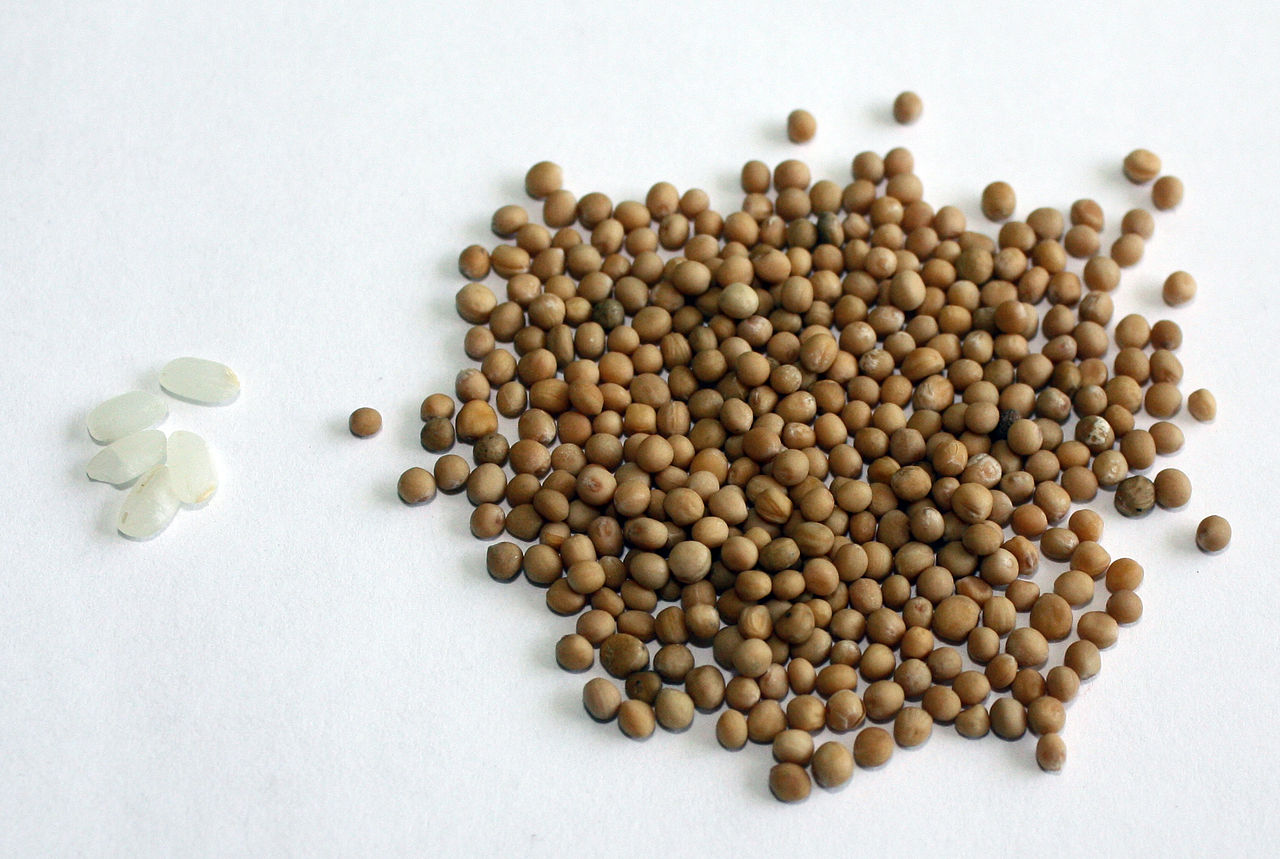
White mustard (Sinapis alba), sometimes called yellow mustard, is an annual species in the cabbage family (Brassicaceae) valued for its seeds, leaves and agronomic uses. Native to parts of the Mediterranean and western Asia, it is widely cultivated and naturalized in temperate regions. The plant produces clusters of small yellow flowers and pods that contain many rounded, pale-yellow seeds.
Image gallery
7 Images



Description and biology
White mustard grows erect with branching stems and alternate leaves; its flowers have four petals, typical of cruciferous plants. Seed pods (siliques) develop after flowering and each contains several seeds that are harvested when mature. The seeds contain glucosinolates and the enzyme myrosinase; when crushed and mixed with water these compounds react to form pungent isothiocyanates, the basis of mustard’s characteristic flavor.
History and cultivation
People have cultivated mustard since ancient times for food and medicine. It appears in classical and medieval cookery and has long been a component of European and Asian cuisines. Farmers grow white mustard both as a seed crop and as a cover or catch crop; it is appreciated for rapid growth, soil protection and ease of management. For more botanical or horticultural references, see further reading.
Uses
- Condiment: seeds are ground and mixed with liquid to produce prepared mustards, from smooth Dijon to coarse whole-grain styles.
- Food: young leaves can be eaten as mustard greens in salads or cooked dishes.
- Agronomy: used as a cover crop, green manure and biofumigant to suppress certain soil pests and reduce erosion.
- Industrial: seeds yield oil used in cooking or industry; oil composition has prompted regulatory attention in some countries.
Distinctions and notable facts
White mustard seeds are paler and generally milder than black (Brassica nigra) or brown (Brassica juncea) mustard seeds. While related to other mustard species, it is distinct in seed color, flavor intensity and preferred culinary uses. As with many members of Brassicaceae, mustard plants can play a role in crop rotations and integrated pest management. When using mustard oil or seed meal, users should be aware of local food-safety regulations and traditional preparation methods that affect flavor and pungency.
Overall, white mustard is a multipurpose plant valued for culinary, agricultural and cultural roles around the world.
Related articles
Author
AlegsaOnline.com White mustard (Sinapis alba) Leandro Alegsa
URL: https://en.alegsaonline.com/art/107832
Sources
- mustardfestival.org : mustardfestival.org/