
Whaler: People, Vessels, History and Modern Practice
An overview of whalers as people and boats, their methods, history, products (blubber, oil, meat), and modern regulation and controversies involving continued hunts by some nations.
Whaler commonly refers both to a person who hunts whales and to the type of vessel used in that activity. Historically central to coastal and maritime economies, whalers removed large marine mammals primarily to obtain oil rendered from blubber, meat, baleen (in some species), and other usable materials. The term can indicate an individual crew member, the captain of a whaling expedition, or a ship outfitted for pursuing, processing, and transporting whales.
Image gallery
7 Images

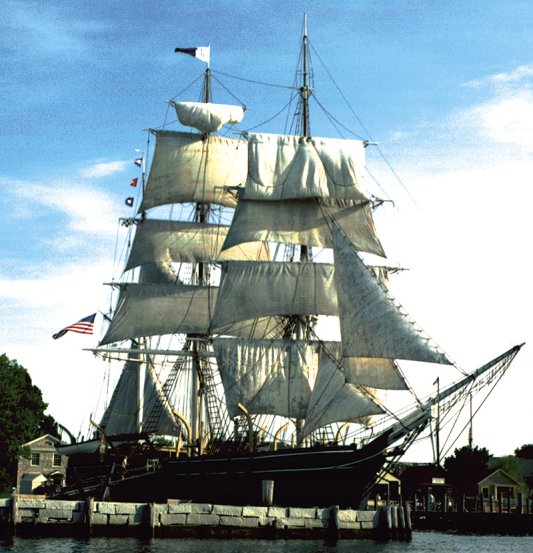



Terminology and vessels
Small open boats and hand-thrown harpoons were typical in early whaling, while later centuries saw purpose-built ships and floating processing stations. A traditional whaling boat was designed for speed and maneuverability; larger factory ships consolidated catches and extracted oil at sea. Modern descriptions distinguish between the whale-hunter as a worker and the whaling vessel as the platform used for the hunt.
Products and processing
Whales have long been exploited for several products. Blubber—an insulating layer of fat beneath the skin—was rendered into oil used for lighting, lubrication, and later industrial applications. The term blubber itself appears frequently in historical accounts; whale blubber was an essential commodity. Meat and other tissues were also taken; communities that practiced whaling often consumed or traded whale meat locally.
History and development
Whaling has existed for millennia in Arctic and coastal cultures that used small cetaceans and large whales for subsistence. Commercial whaling expanded in the 17th–20th centuries with European and North American fleets ranging across oceans. Technological changes—steam power, explosive harpoons, and large factory ships—greatly increased catch potential, which in turn drove declines in many whale populations and prompted scientific and conservation attention.
Modern regulation and contemporary practice
International efforts to manage and restrict whale hunting grew as populations fell. An international moratorium on commercial whaling is widely known and has been adopted by many nations, though interpretations and exceptions exist. A small number of countries continue limited hunting under national regulations or scientific permits; among those often cited are Norway, Iceland, and Japan. Debates continue over cultural rights, conservation, and the legality of different forms of take.
Uses, significance, and notable facts
- Whaling shaped coastal economies, place names, and maritime culture in many regions.
- Products from whales—oil, meat, baleen—were historically important before synthetic substitutes and changing markets reduced demand.
- Modern conservation efforts focus on population recovery, bycatch reduction, and protected areas.
- Whalers today may be professional crew on regulated vessels, community subsistence hunters, or researchers involved in population studies.
Understanding whalers requires attention to technological, economic, cultural, and legal contexts. The subject intersects natural history, maritime technology, and international policy, and remains a topic of ethical and scientific discussion.
Author
AlegsaOnline.com Whaler: People, Vessels, History and Modern Practice Leandro Alegsa
URL: https://en.alegsaonline.com/art/107648