
Berlencourt-le-Cauroy — Commune in Pas-de-Calais, northern France
Berlencourt-le-Cauroy is a small rural commune in the Pas-de-Calais department of northern France, with agricultural traditions, local landmarks, and a history tied to regional development.
Overview
Berlencourt-le-Cauroy is a commune in the Pas-de-Calais department located in the north of France. It lies within the historical region known as Nord-Pas-de-Calais, an area now administered as part of the larger regional entity, and is one of many small municipalities that make up the rural fabric of this part of the country. For official details about the local administration, see the commune page.
Image gallery
2 Images
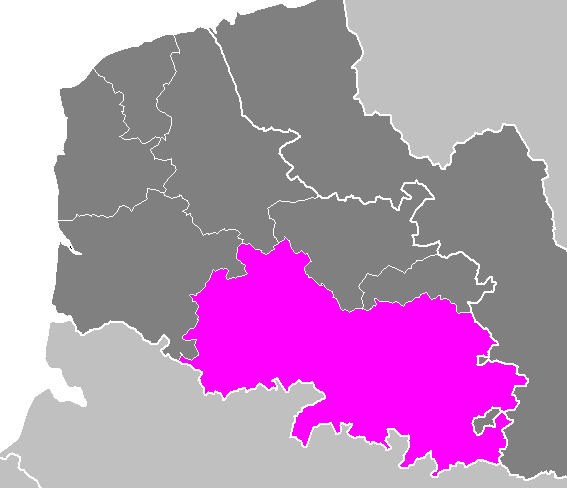
Geography and administration
The commune occupies a typically rural setting of northern France, with a landscape characterized by farmland, hedgerows and small woodlands. As part of the Pas-de-Calais department, it is governed under French municipal law and contributes to intercommunal cooperation and departmental structures; information on the department is available via Pas-de-Calais resources and broader department-level notices at department information. Its situation in the north of the country places it within the climatic and cultural influences of the region north of France.
History
The village has roots common to many northern French communes: medieval origins, evolution through feudal and ecclesiastical ownership, reorganization during the French Revolution, and adjustments during industrialization and the 20th century. Local history often reflects agricultural continuity, wartime experience, and gradual modernization of services and infrastructure.
Economy, landmarks and community life
The economy is largely rural and may include mixed farming, small-scale enterprises and residential life for people working in nearby towns. Features typical of such communes include a parish church, a town hall, and a war memorial. Notable types of local sites include:
- Historic church and cemetery
- Traditional farmhouses and rural architecture
- War memorials and traces of 19th–20th century rural life
Visitors and residents consult regional guides and local notices for specifics; for regional context and travel information see Nord-Pas-de-Calais information.
Transport and relations
Access is commonly by departmental roads and local bus or road links to larger urban centers. Cooperation with neighboring communes supports schools, cultural events and services. For additional administrative or tourism information the reader can follow regional portals and departmental pages such as department information or municipal resources linked above.
Practical notes
As with many small French communes, details such as population and opening hours of local services change over time; authoritative, up-to-date information is usually found through the commune’s official notices or departmental agencies, including the commune page and regional platforms listed earlier.
Related articles
Author
AlegsaOnline.com Berlencourt-le-Cauroy — Commune in Pas-de-Calais, northern France Leandro Alegsa
URL: https://en.alegsaonline.com/art/10739