
Bernese Jura (Jura Bernois) — the French-speaking region of the Canton of Bern
The Bernese Jura is the predominantly French-speaking area of Switzerland’s Canton of Bern. It comprises several districts, has a Jura landscape, a distinct cultural identity and a unique political history.
Overview
The Bernese Jura (German: Berner Jura, French: Jura Bernois) is the French-speaking part of the Canton of Bern in Switzerland. It occupies a section of the Jura mountains and the adjacent plateaus and is characterized by rural valleys, forested slopes and small towns. Although the canton of Bern is majority German-speaking, the Bernese Jura preserves Franco‑Swiss language, culture and local administration.
Image gallery
3 Images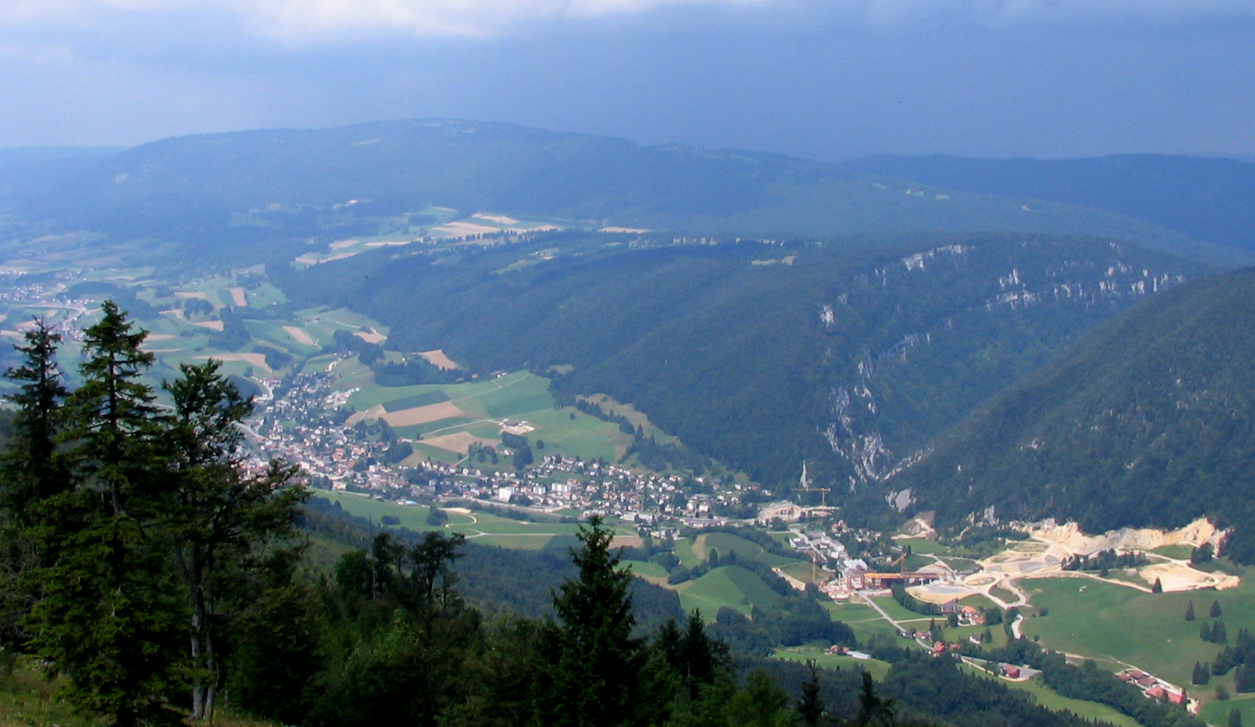


Geography and character
The landscape of the Bernese Jura combines rolling limestone ridges, wooded areas and agricultural land. The region is less urbanized than many Swiss lowlands and supports mixed farming, dairy production and small-scale manufacturing. Outdoor recreation—hiking, cycling and winter sports on higher Jura heights—contributes to local life and tourism. Towns and villages retain a regional vernacular architecture and a scale that differs from larger Swiss cities.
Administrative divisions
Administratively the Bernese Jura is organized into districts and numerous municipalities. Historically the area is often described through three principal districts:
These districts form the core of the French-speaking territory within the canton and contain most of the region’s institutions and services for francophone residents.
History and political context
The Bernese Jura’s modern identity was shaped in the late 20th century when the predominantly French-speaking canton of Jura separated from Bern to form the new Canton of Jura. When that canton was established in 1979, many French-speaking districts opted to remain part of the Canton of Bern; the territory that remained is now commonly known as the Bernese Jura. Since that period, questions of local affiliation and municipal referendums about canton membership have been a recurring feature of regional politics. The population has historically included a large number of Protestant communities, though religious composition today is mixed.
Culture, language and economy
The Bernese Jura is a center of Francophone Swiss culture within a largely German-speaking administrative context. Public services, schools and media in the region operate in French alongside cantonal institutions. Economically, the area combines agriculture, watch-related and precision workshops, small industry and services. Its towns host markets, cultural associations and annual events that underline the local French-speaking identity while linking to broader Swiss and cross-Jura networks.
Notable distinctions and contemporary issues
What distinguishes the Bernese Jura is its bilingual setting: it is part of a canton that must accommodate both German- and French-speaking populations. This produces bilingual administration and political arrangements designed to protect linguistic rights. Local debates sometimes return to questions of administrative boundaries and representation. For visitors and residents alike, the Bernese Jura offers a quieter, rural contrast to Switzerland’s urban centers and acts as a bridge between French‑speaking Jura culture and the institutions of the Canton of Bern.
Related articles
Author
AlegsaOnline.com Bernese Jura (Jura Bernois) — the French-speaking region of the Canton of Bern Leandro Alegsa
URL: https://en.alegsaonline.com/art/10828