
Wayne Morse (1900–1974)
U.S. senator from Oregon (1945–1969) known for political independence, opposition to executive escalation in Vietnam, and his memorable lone dissent on the Gulf of Tonkin Resolution.
Overview
Wayne Lyman Morse (October 20, 1900 – July 22, 1974) was an American politician who represented Oregon in the United States Senate from 1945 until 1969. He was widely regarded for his independent-minded approach to public life, a willingness to break with party leadership, and sustained attention to civil liberties and limits on executive power.
Image gallery
6 Images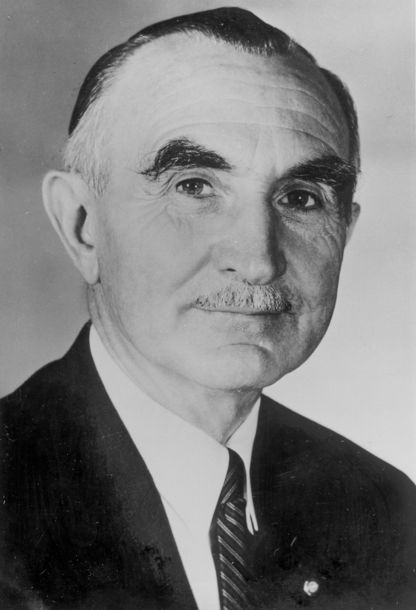


Early career and party affiliation
Morse came to national prominence in the mid-20th century as a senator whose party affiliation changed during his time in office. In the early 1950s he left the Republican Party, served for a period as an independent, and by the mid-1950s aligned with the Democratic Party. His shifts reflected long-standing disagreements with party positions and a strong sense of personal principle in legislative matters.
Senate work and positions
During his nearly a quarter-century in the Senate, Morse was known for rigorous debate and detailed attention to constitutional questions. He became especially prominent in the 1960s for his opposition to measures that expanded executive war-making authority. In 1964 Morse was one of only two senators who voted against the Gulf of Tonkin Resolution, a decision that marked him as an early and vocal critic of expanded U.S. involvement in Vietnam. He also spoke frequently on civil liberties, labor issues, and judicial matters.
1960 presidential bid and later years
Morse sought the presidency in 1960, pursuing the Democratic nomination in a contest ultimately won by John F. Kennedy. His national campaign emphasized constitutional constraints and caution about foreign military commitments. After leaving the Senate in 1969 he continued to write and speak on public issues, maintaining his reputation as an independent voice in American politics.
Legacy and death
Morse is remembered for an independent streak that put principle ahead of party, and for stands that later commentators have seen as prescient regarding executive power and the Vietnam conflict. He died in Portland, Oregon, on July 22, 1974, from kidney failure. His career is studied as an example of a senator who mixed strong convictions with procedural knowledge of the Senate.
Notable facts
- Senator from Oregon from 1945 to 1969.
- Changed party status in the 1950s: Republican → independent → Democrat.
- Opposed the 1964 Gulf of Tonkin Resolution and later U.S. escalation in Vietnam.
- Mounted a bid for the presidency in 1960; the Democratic nomination went to John F. Kennedy.
For further reading about his Senate speeches, votes, and writings consult major collections and archives that collect mid-20th-century congressional material and biographies of U.S. lawmakers. Additional resources and digitized documents are available through governmental and historical repositories referenced at related presidential and congressional research.
Related articles
Author
AlegsaOnline.com Wayne Morse (1900–1974) Leandro Alegsa
URL: https://en.alegsaonline.com/art/106978