
Wellington Koo: Chinese Diplomat and Statesman (1887–1985)
Vi Kyuin Wellington Koo was a leading Chinese diplomat who represented China at the 1919 Paris Peace Conference and served in senior foreign posts across much of the 20th century.
Overview
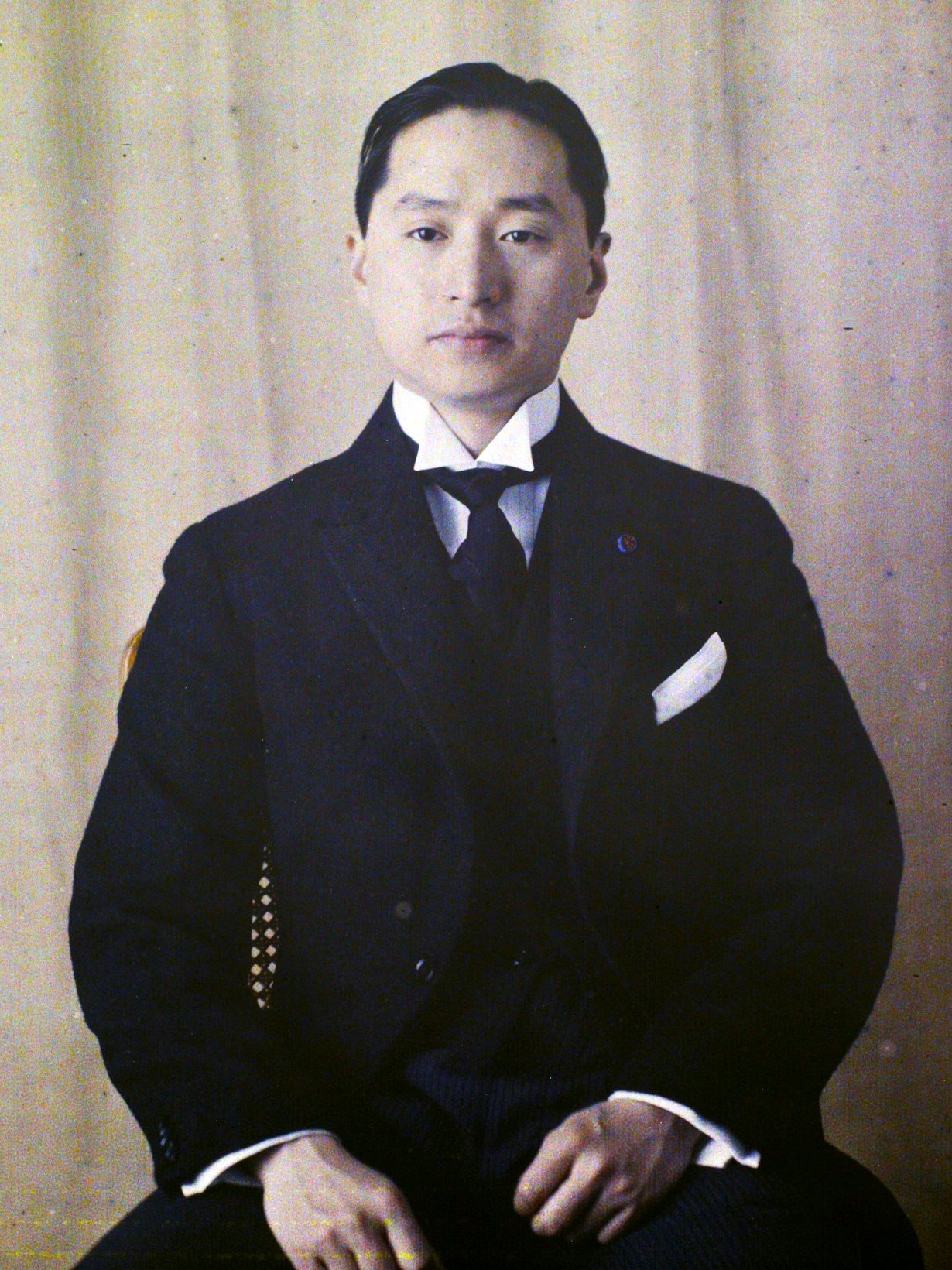
Vi Kyuin Wellington Koo (Chinese: 顾维钧; pinyin: Gù Wéijūn) (January 29, 1887 – November 14, 1985) was a prominent Chinese statesman and career diplomat. Best known internationally as a member of China’s delegation at the 1919 Paris Peace Conference, Koo played a sustained role in representing China’s interests to Western powers during the Republican era and later decades.
Image gallery
7 Images



Early life and education
Koo was born in Shanghai and travelled to the United States in 1904 to pursue higher education and to study Western legal and political systems. He learned English to a high degree of fluency (English) and sought knowledge that could help China resist foreign domination and the pressures of imperialism. His combination of Chinese legal scholarship and Western training shaped his approach to international negotiation.
Diplomatic career
Koo’s diplomatic work spanned many decades and many kinds of postings. He became widely known at the Paris conference of 1919, where he argued that China should be treated as an equal among nations and voiced opposition to settlements that ignored Chinese interests. Over the following years he held a sequence of senior government appointments and foreign postings, serving in ministerial and ambassadorial capacities and representing China at major international gatherings. His professional life exemplified the challenges faced by China as it sought recognition and legal parity on the world stage.
Legacy and importance
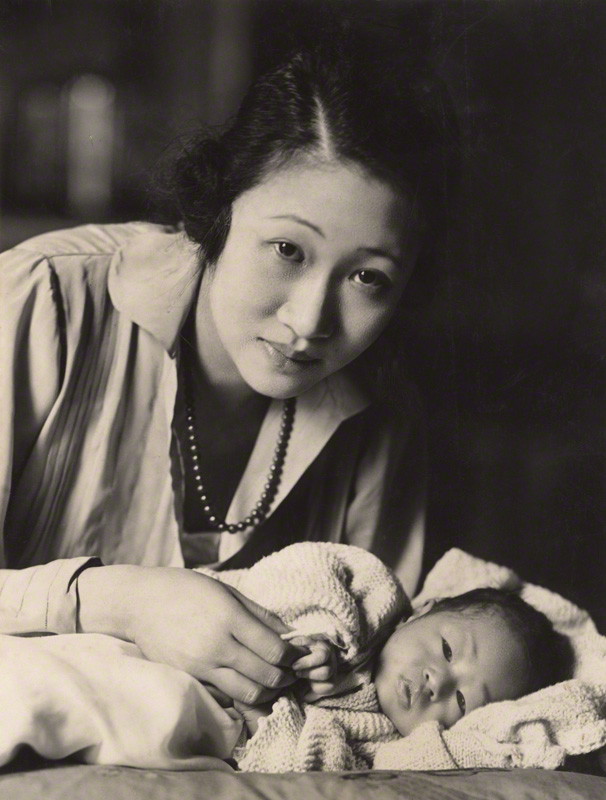
Koo’s career bridged late imperial, Republican and postwar periods. He combined Western diplomatic techniques with a deep commitment to defending Chinese sovereignty, and mentored or influenced generations of Chinese foreign-service personnel. Observers note his facility with languages and law, and his ability to explain China’s position to foreign publics and governments. His personal life intersected with his public role: his wife, Juliana Koo, was also active in international circles.
Notable facts and references
- He is known by several romanizations and forms of his name, reflecting historical variations in transliteration.
- His long lifespan allowed him to witness and help shape China’s relations with Western states across much of the 20th century.
- For concise background and primary documents consult specialist histories of the Paris Peace Conference and studies of Republican-era diplomacy.
Readers seeking more detail on Koo’s life and on the wider diplomatic history of modern China can follow introductory resources and archival guides. Further reading and online collections may provide documents, photographs and contemporary accounts of the negotiations in which he participated.
Related articles
Author
AlegsaOnline.com Wellington Koo: Chinese Diplomat and Statesman (1887–1985) Leandro Alegsa
URL: https://en.alegsaonline.com/art/107208