
Washington's Birthday (commonly called Presidents' Day)
Federal holiday honoring George Washington observed in February; commonly combined with remembrance of other presidents and celebrated as Presidents' Day on the third Monday in February.
Washington's Birthday is the federal holiday that commemorates the birth of George Washington, the first president of the United States. The date of Washington's actual birth is February 22. In everyday usage the observance has come to overlap with celebrations of other U.S. presidents, especially Abraham Lincoln, whose birthday falls on February 12, and is often called Presidents' Day in public discourse and commerce.
Image gallery
7 Images


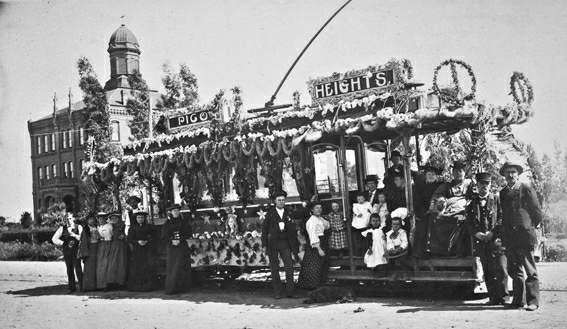
History and legal background
Originally, states and the federal government observed Washington's birthday and, separately, Abraham Lincoln's birthday. In the late 20th century a change in federal holiday scheduling moved Washington's observance to a specific weekday: the Uniform Monday Holiday Act took effect for this purpose and the federal holiday has been observed on the third Monday in February since 1971. Although popular practice combined the two presidents into a single informal celebration, the federal government's official name for the holiday remains "Washington's Birthday."
How it is observed
The day is a federal holiday for U.S. government employees and banks, and many schools and businesses close or operate on a modified schedule. Common ways people mark the occasion include civic ceremonies, historical programs, museum events, and lessons about the presidency and the early republic. Retailers in the United States have also adopted "Presidents' Day" as a major sales period, which has helped spread the informal name.
Names and variations
The holiday's name and emphasis vary by state and locality. Some states continue to honor Washington and Lincoln on separate dates or maintain distinct state holidays. Others use names such as "Presidents' Day," "Washington and Lincoln Day," or simply "Washington's Birthday." These differences reflect how public memory, state law, and popular culture shape commemorations.
Notable points
- The federal holiday's placement on the third Monday in February means it rarely falls on Washington's actual birth date, February 22.
- Abraham Lincoln's birthday is not a federal holiday, but it is widely recognized and often folded into Presidents' Day observances.
- Commemorations combine civic remembrance of presidential leadership with educational and commercial activities.
Washington's Birthday illustrates how a specific historical remembrance can evolve into a broader cultural observance, balancing formal legal names with popular traditions and regional practices.
Related articles
Author
AlegsaOnline.com Washington's Birthday (commonly called Presidents' Day) Leandro Alegsa
URL: https://en.alegsaonline.com/art/106736