
Washington Benavides: Uruguayan poet, musician and educator
Overview of Washington Benavides (1930–2017), his life in Tacuarembó and Montevideo, major works including Tata Vizcacha, teaching career, themes, musical collaborations, and literary legacy.
Washington Benavides (March 3, 1930 – September 24, 2017) was a prominent Uruguayan poet, songwriter and educator whose work bridged written verse and popular music. Born in Tacuarembó, he became known for poems that drew on rural life, everyday speech and rhythmic language. Over a long career he combined creative practice with classroom teaching and university scholarship, influencing generations of writers and musicians in Uruguay.
Image gallery
1 Image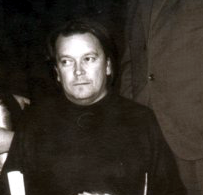
Early career and publications
Benavides began publishing in the 1950s and took part in literary circles of that era. He collaborated on the review Asir, a venue that fostered new voices in Uruguayan letters. His first book of poems, Tata Vizcacha, appeared in 1955 and established his interest in narrative, colloquial registers and images drawn from the interior provinces. Subsequent collections consolidated his reputation for accessible, musically inflected verse.
Teaching and academic work
Alongside writing, Benavides worked as a literature teacher at the secondary level before joining the Faculty of Humanities and Educational Sciences at the University of the Republic. There he served in the Department of Modern and Contemporary Letters, where he combined scholarly attention to poetic form with a practical commitment to education. His dual role as teacher and poet helped bring literary conversation into schools and universities.
Themes, style and musical connections
Benavides' poetry is often noted for its clarity, conversational tone and metrical sensibility. He drew on the landscape and social rhythms of Uruguay — from small towns to urban scenes — and often used popular idioms to create a democratic voice. Many of his poems were adapted into songs, and his texts have been performed by folk and popular musicians, which extended his reach beyond readers to listeners of Uruguayan music.
Selected features and influence
- Blending of poetic and musical cadences that made his work attractive to musicians.
- Commitment to education and mentorship of younger writers and students.
- Use of regional themes and everyday language, contributing to a national cultural identity.
Benavides remained a visible cultural figure in Uruguay throughout his life, contributing to literary journals, public readings and collaborative projects. He spent his later years in Montevideo and continued to publish and participate in cultural life until his passing.
Washington Benavides died in Montevideo on September 24, 2017 from complications from pneumonia. Reports note he passed away in Montevideo at the age of 87. His work continues to be studied for its contribution to twentieth-century and contemporary Uruguayan letters, and his poems remain part of the repertoire of readers interested in the intersection of literature and popular song.
Related articles
Author
AlegsaOnline.com Washington Benavides: Uruguayan poet, musician and educator Leandro Alegsa
URL: https://en.alegsaonline.com/art/106669
Sources
- elobservador.com.uy : Murió el poeta Washington Benavides