
Wanda Metropolitano
Wanda Metropolitano is a modern football stadium in Madrid, home to Atlético Madrid since 2017; notable for its large capacity, redevelopment from the old 'La Peineta' site, and hosting major international matches.
Overview
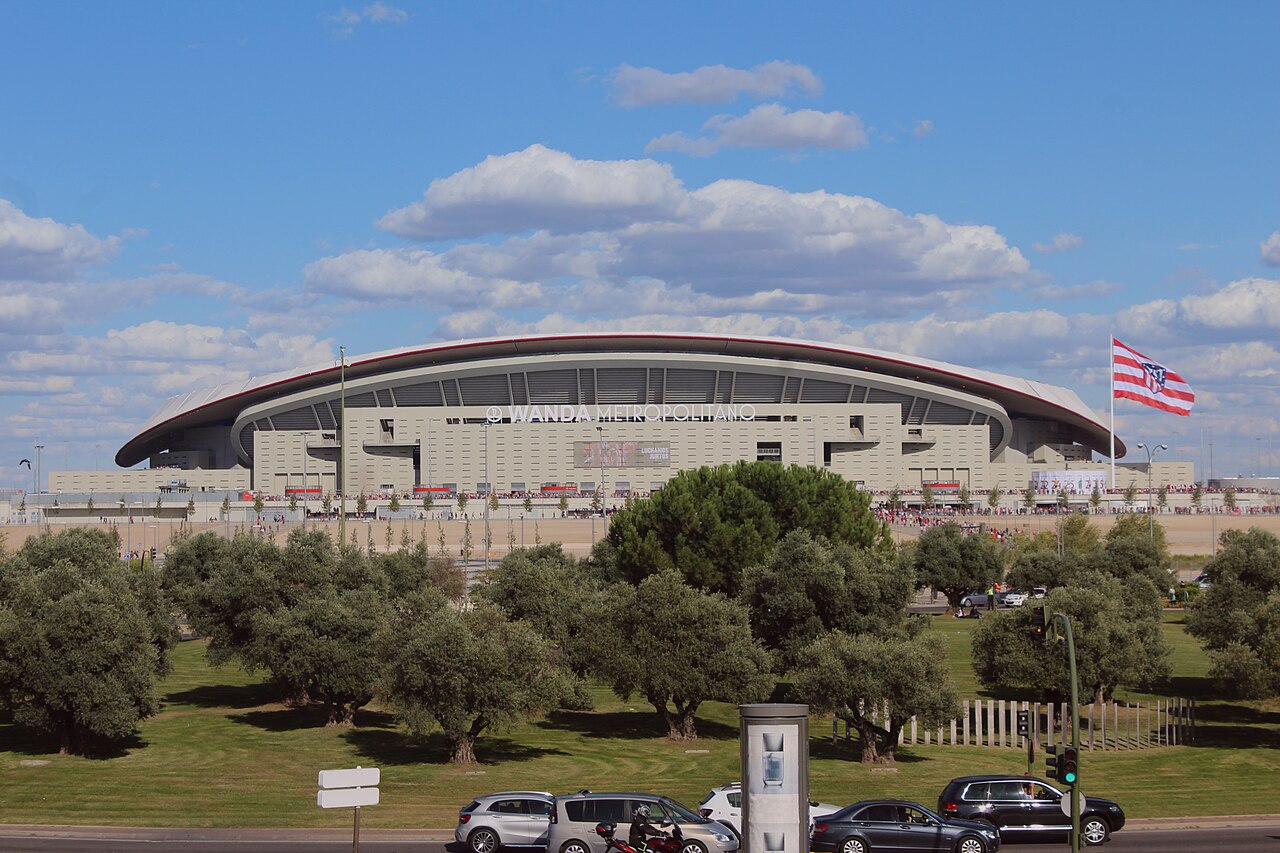
Wanda Metropolitano is a major sports stadium in Madrid, Spain. Often referred to by its Spanish name, Estadio Metropolitano, it has served as the home ground of the football club Atlético Madrid since the 2017–18 season. Located in the Rosas neighbourhood of the San Blas-Canillejas district, the venue has a seating capacity of about 67,829 spectators and was branded for sponsorship reasons by the Wanda Group.
Image gallery
10 Images




Design and characteristics
The stadium is arranged as a continuous spectator bowl with modern amenities aimed at high comfort and good sightlines for football. It is an all-seater venue designed to meet contemporary standards for safety, media facilities and hospitality. The playing surface is regulation size for professional competition and the roof covers the spectator areas, improving acoustics and protection from the elements. Accessibility and transport links were upgraded when the site was redeveloped to manage large crowds.
History and redevelopment
The site traces its modern lineage to the early 1990s when an earlier stadium known colloquially as "La Peineta" was opened. Various official names have been used over time, including Estadio de la Comunidad de Madrid and Estadio Olímpico de Madrid. The original venue closed in the early 2000s and later underwent a major redevelopment to transform it from a multiuse athletics facility into a football-dedicated stadium. After renovation and reconfiguration, it reopened in 2017 and replaced Atlético Madrid's former riverside home at the Vicente Calderón.
Notable events and uses
- Atlético Madrid league and cup matches since 2017, beginning with the club's first game there on 18 September 2017 against Málaga.
- Major international club fixtures, most prominently the 2019 UEFA Champions League Final held on 1 June 2019.
- Concerts, corporate events and other large-scale gatherings that take advantage of the stadium's capacity and facilities.
Importance and distinctions
Wanda Metropolitano marked a strategic move for Atlético Madrid from their historic riverbank ground to a purpose-refurbished modern arena. The change provided increased capacity, upgraded hospitality and improved sightlines compared with older venues. The stadium's naming rights and redevelopment reflect the contemporary model in which clubs partner with international companies for investment and branding. It is also cited as an example of repurposing an older urban sports site to meet the demands of modern professional football.
Practical information
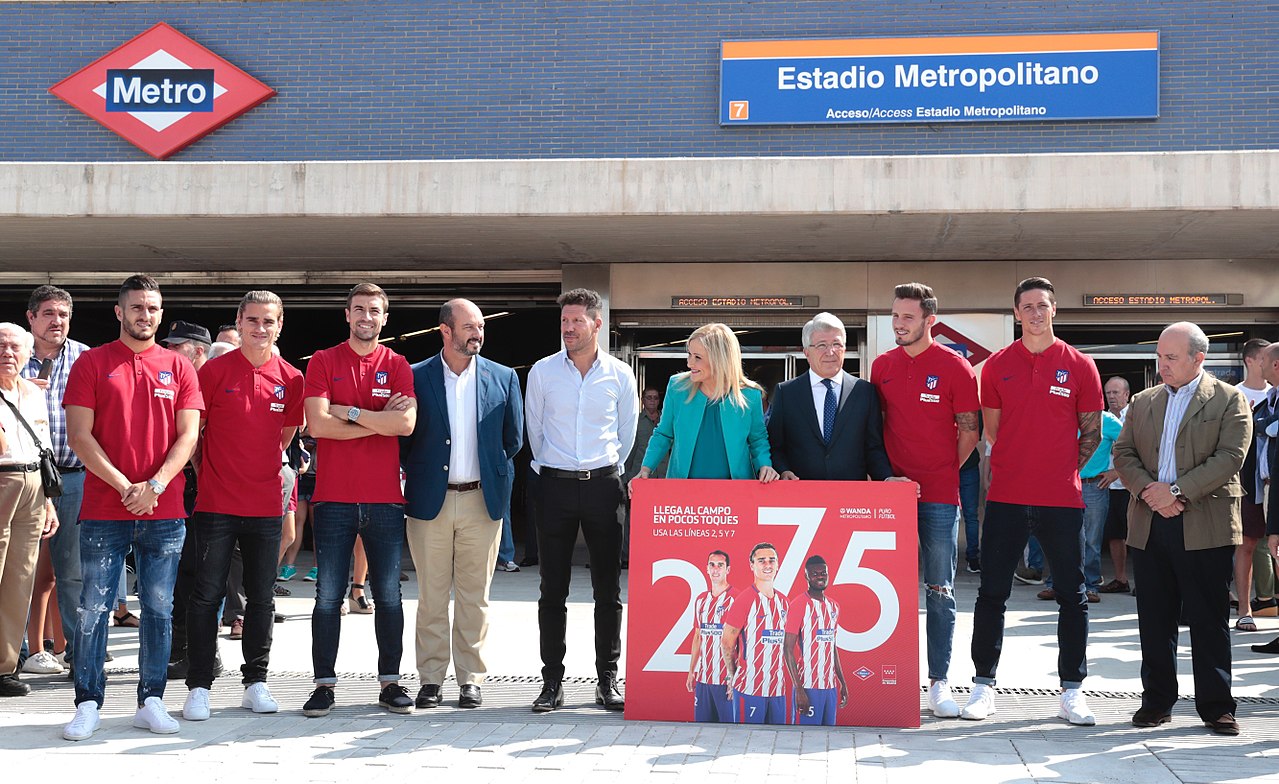
The stadium is integrated into Madrid's urban transport network and served by multiple public transit options to handle matchday flows. As a high-profile sports venue in Spain's capital, it figures in tourism and sporting itineraries for visitors interested in football culture and major events across the city of Madrid and the country of Spain. Media descriptions and match reports typically refer to it simply as the Wanda Metropolitano or by its traditional nickname when discussing its earlier phase as La Peineta.
For more detailed specifications and event listings consult official club and competition sources or municipal information provided around the stadium's operations and access by football governing bodies and transport authorities.
Related articles
Author
AlegsaOnline.com Wanda Metropolitano Leandro Alegsa
URL: https://en.alegsaonline.com/art/106432
Sources
- theguardian.com : "Opening night at Atlético Madrid's new home"
- esmadrid.com : "2019 Champions League Final: Tottenham vs. Liverpool"