
Weight training: principles, methods, and benefits
Weight training uses external resistance—free weights, machines, or bodyweight—to develop muscular strength, size, endurance and bone health. Covers methods, safety, programming, and differences from competitive lifting.
Overview
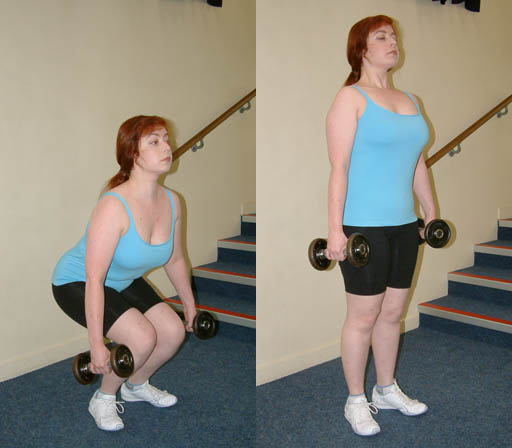
Weight training is a form of strength training that uses external resistance to oppose muscle force. Resistance may come from free weights (barbells, dumbbells), machines and weight stacks, or bodyweight. The resistance typically acts through the pull of gravity, and exercises range from single-joint isolation moves to complex multi-joint lifts. Programs are tailored to goals such as increasing maximal strength, muscular size (hypertrophy), local muscular endurance, or functional ability.
Image gallery
6 Images



Principles and common methods
Effective weight training follows systematic principles: progressive overload (gradually increasing resistance, volume, or intensity), specificity (training aligned with goals), and recovery. Typical session structure includes warm-up, working sets and cool-down. Manipulated variables include sets, repetitions, load, tempo and rest intervals. Popular approaches include linear progression, periodization, and high-intensity or high-volume blocks.
- Repetition ranges: lower reps with heavier loads tend to develop maximal strength; moderate reps favor hypertrophy; higher reps improve endurance.
- Equipment: free weights allow natural movement patterns and stabilizer recruitment; machines provide guided motion and variable resistance.
- Common exercises: squat, deadlift, bench press, overhead press, rows, lunges, and pulls or curls for smaller muscle groups.
Physiological adaptations and benefits
Weight training produces both neural and muscular adaptations. Early improvements often reflect better motor unit recruitment and coordination; longer-term work leads to muscle fiber growth, increased tendon strength and greater bone density. Benefits extend beyond aesthetics: improved mobility, posture, metabolic rate, and reduced risk of age-related muscle loss. It is frequently used in rehabilitation and preventive health programs when adapted to individual needs.
Programming, safety and best practices
Safe practice emphasizes proper technique, gradual progression, adequate warm-up and sufficient recovery between sessions. Supervision and coaching can reduce injury risk, especially for complex lifts. Periods of lighter training and deloading help prevent overtraining. Special populations—older adults, pregnant people, or those with health conditions—should follow modified programs and consult health professionals when necessary.
Distinctions, sports and applications
Weight training is a training method rather than a sport. It underpins disciplines like bodybuilding, which focuses on physique and symmetry, Olympic weightlifting, which tests maximal lifts in the snatch and clean & jerk, and powerlifting, which centers on the squat, bench and deadlift. Athletes across many sports use weight training to improve performance, while recreational lifters use it for health, strength and appearance.
Further reading: introductory guides and accredited coaching resources can help beginners learn technique, design programs, and find progression models suitable for their goals.
Questions and answers
Q: What is weight training?
A: Weight training is a type of strength training that uses weighted bars, dumbbells or weight stacks to oppose the force generated by muscles.
Q: What is the purpose of weight training?
A: The purpose of weight training is to help certain areas of muscle and different kinds of body motions.
Q: What is the difference between weight training and bodybuilding?
A: "Weight training" is not bodybuilding. Bodybuilding is a sport and not a training.
Q: What is the difference between weight training and Olympic weightlifting?
A: "Weight training" is not Olympic weightlifting. Olympic weightlifting is a sport and not a training.
Q: What is the difference between weight training and power-lifting?
A: "Weight training" is not power-lifting. Power-lifting is a sport and not a training.
Q: Is weight training a part of bodybuilding, Olympic weightlifting, or powerlifting training?
A: Yes, weight training is a part of these sports' training.
Q: What does weight training use to help certain areas of muscle and different kinds of body motions?
A: Weight training uses many different special things to help certain areas of muscle and different kinds of body motions.
Related articles
Author
AlegsaOnline.com Weight training: principles, methods, and benefits Leandro Alegsa
URL: https://en.alegsaonline.com/art/107141