
Walther Funk
Walther Funk was a German journalist, Nazi official, Reich Minister of Economics, and president of the Reichsbank. He was convicted at Nuremberg and later released from prison.
Walther Emanuel Funk (18 August 1890 – 31 May 1960) was a German journalist, economist, and Nazi politician who became one of the most important economic administrators of the Third Reich. Born in Trakehnen in East Prussia, he moved from press work into state service and eventually held major posts in the Hitler government.
Before and after 1933, Funk built a career in public commentary and political communication. He was associated with journalism and economic reporting, fields that gave him a reputation as a capable administrator rather than a mass orator. After the Nazis came to power, he entered the regime’s top circles and became a trusted functionary in its economic apparatus.
Image gallery
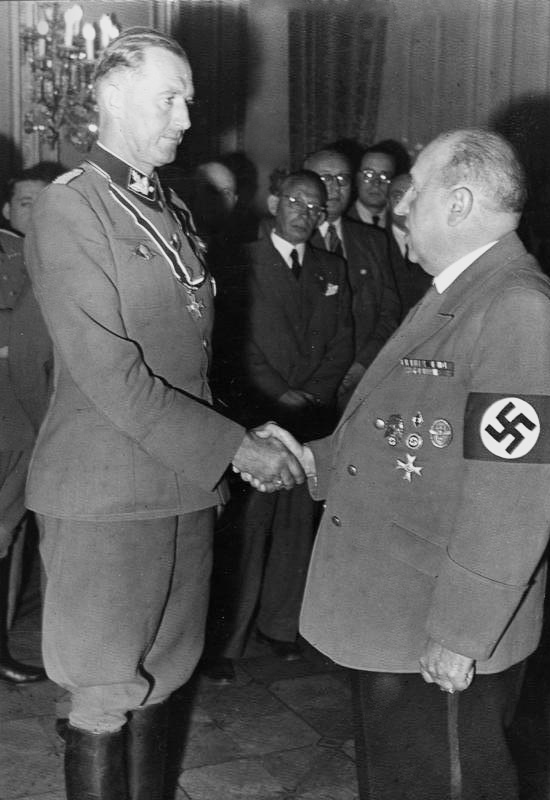
8 Images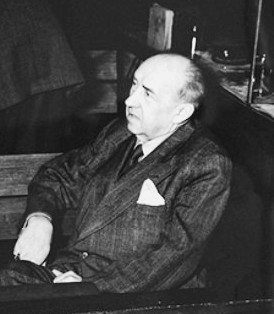


Role in the Third Reich
Funk’s importance came from the offices he held. He served as minister for economics and later as president of the Reichsbank, the German central bank. These positions placed him close to the core of war financing, credit policy, and state control over industry and money. In practice, that meant helping the regime mobilize the economy for rearmament and war.
As the war expanded, Funk became part of a system that exploited conquered territories and seized assets from persecuted groups. The Reichsbank was involved in handling valuables taken by the regime, while the economics ministry helped direct production, labor, and trade in support of Nazi objectives. Funk was therefore not only a banker and minister, but also a participant in the machinery that sustained the dictatorship.
- Reich Minister of Economics under the Nazi government
- President of the Reichsbank during the war years
- Linked to wartime economic control and asset seizure
Trial, imprisonment, and later life
After Germany’s defeat, Funk was among the defendants at the Nuremberg Trials. He was found guilty and sent to prison for life. His conviction reflected both his formal authority and his role in the economic crimes of the regime. He was later released because of poor health in the late 1950s.
Funk died in Düsseldorf in 1960. He is generally remembered as a technocrat who used administrative skill and institutional power in service of a criminal state. His career illustrates how finance, bureaucracy, and propaganda could be combined to support Nazi rule.
Related articles
Author
AlegsaOnline.com Walther Funk Leandro Alegsa
URL: https://en.alegsaonline.com/art/106410