
Benvenuto Cellini: Italian Mannerist Sculptor and Master Goldsmith
Artist and autobiographer Benvenuto Cellini (1500–1571) was a leading Mannerist sculptor and goldsmith from Florence, famed for works like Perseus and the Saliera and for a vivid autobiography.
Overview
Benvenuto Cellini (3 November 1500 – 13 February 1571) was an Italian artist whose career combined multiple crafts and public roles. He is best known as a goldsmith and sculptor, but he was also active as a soldier and a musician. Born and died in Florence, Cellini is commonly cited among the important figures of Mannerism for his technical daring and stylistic bravura.
Image gallery
10 Images


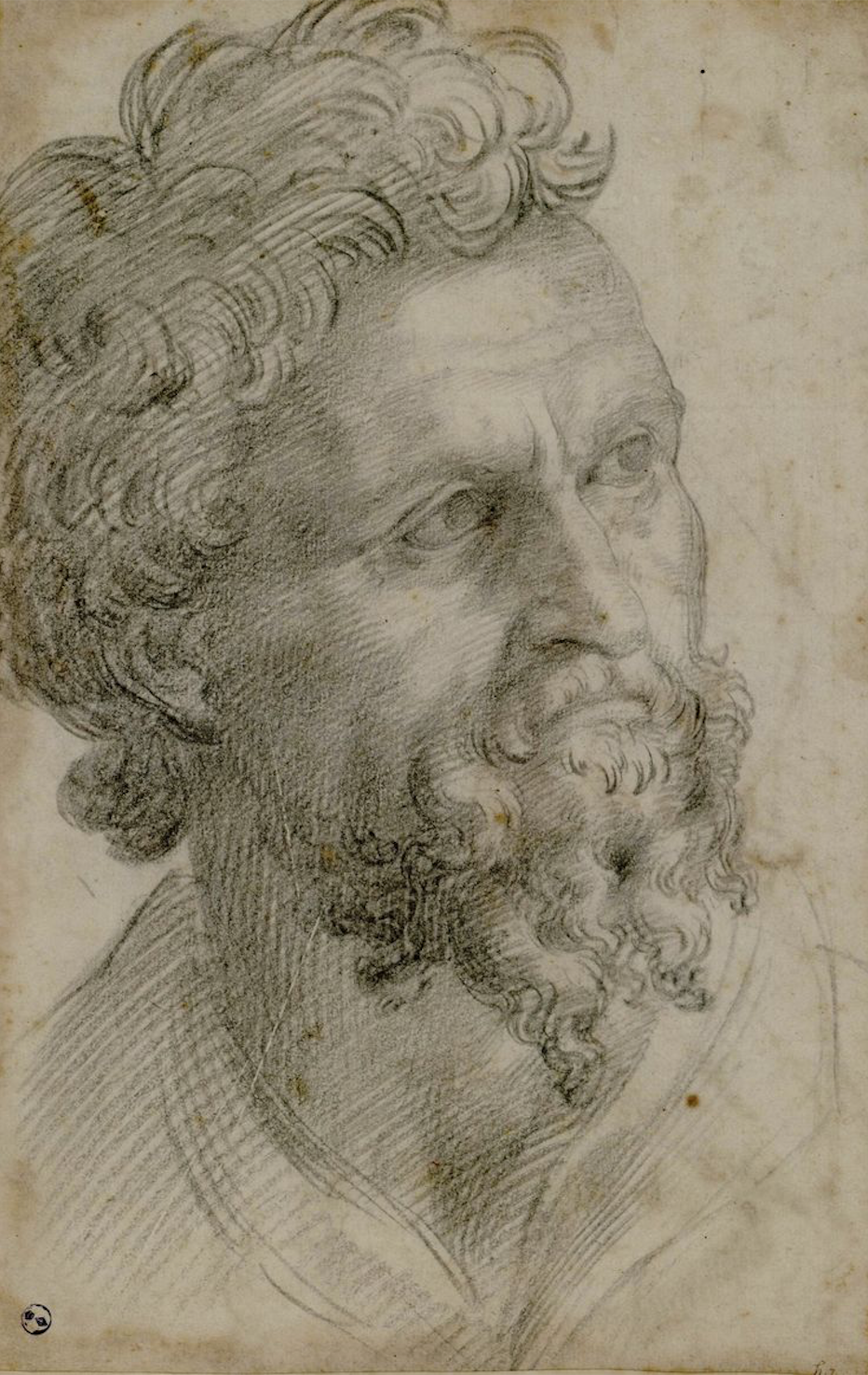

Artistic characteristics and major works
Cellini's work displays exceptional skill in metalworking, a flair for theatrical composition, and close attention to surface detail. He produced both intimate objects and large-scale bronzes. Two of his most famous pieces are the gilt-silver salt cellar known as the Saliera, made for the French court and today associated with major museum collections, and the bronze group Perseus with the Head of Medusa, an outdoor civic monument valued for its complex pose and polished finish. His pieces often mix classical motifs with inventive ornament and show the technical possibilities of casting and chasing in the 16th century.
Life, patrons and controversies
Cellini worked across Italy and spent time at foreign courts, receiving commissions from powerful patrons. His life was famously turbulent: he recounts duels, quarrels, legal troubles and narrow escapes in his writings. That volatility, together with his skill, enhanced his reputation as a brilliant but controversial figure who moved between artisan workshops, princely households and military service.
The autobiography and historical importance
Cellini's autobiography remains one of the most vivid first-person accounts from a Renaissance artist. Written in his own voice, it mixes technical detail about techniques and workshop practice with dramatic personal narrative. Art historians and conservators use the text as a source on materials, methods and the social world of sixteenth-century artists.
Notable facts and distinctions
- Combined roles: celebrated as a goldsmith and monumental sculptor.
- Life reflected the era: artistic ambition, service as a soldier, and occasional work as a musician.
- Associated with Mannerism for stylistic inventiveness.
- His book is a primary source on Renaissance craftsmanship: the autobiography is still read and studied.
- Origin and final years in Florence, where key works are displayed publicly.
Cellini's combination of technical mastery, dramatic personality and candid memoirs make him a singular figure in Renaissance cultural history. For readers and researchers his life and work continue to illuminate the relationship between artistic invention and the social worlds that produced it.
Questions and answers
Q: Who was Benvenuto Cellini?
A: Benvenuto Cellini was an Italian goldsmith, sculptor, draftsman, soldier, musician, and writer.
Q: In which period was Benvenuto Cellini considered an important artist?
A: Benvenuto Cellini was considered an important artist of the Mannerism period.
Q: When was Benvenuto Cellini born?
A: Benvenuto Cellini was born on November 3, 1500.
Q: Where was Benvenuto Cellini born?
A: Benvenuto Cellini was born in Florence, Italy.
Q: When did Benvenuto Cellini die?
A: Benvenuto Cellini died on February 13, 1571.
Q: What is one of Benvenuto Cellini's notable works?
A: Benvenuto Cellini is well-known for his autobiography, which is considered a classic in Italian literature.
Q: Where did Benvenuto Cellini die?
A: Benvenuto Cellini died in Florence, Italy.
Related articles
Author
AlegsaOnline.com Benvenuto Cellini: Italian Mannerist Sculptor and Master Goldsmith Leandro Alegsa
URL: https://en.alegsaonline.com/art/10628