
Berge Furre: Norwegian historian, theologian and left-wing political leader
Berge Ragnar Furre (1937–2016) was a Norwegian historian and theologian who led the Socialist Left Party and contributed to scholarship and public debate on 20th-century Norway.
Overview
Berge Ragnar Furre (13 April 1937 – 11 January 2016) was a Norwegian scholar and politician known for combining academic work in history and theology with active participation in left-wing politics. He gained national visibility as leader of the Socialist Left Party and as a public intellectual writing and speaking about Norwegian society and politics in the 20th century.
Image gallery
1 Image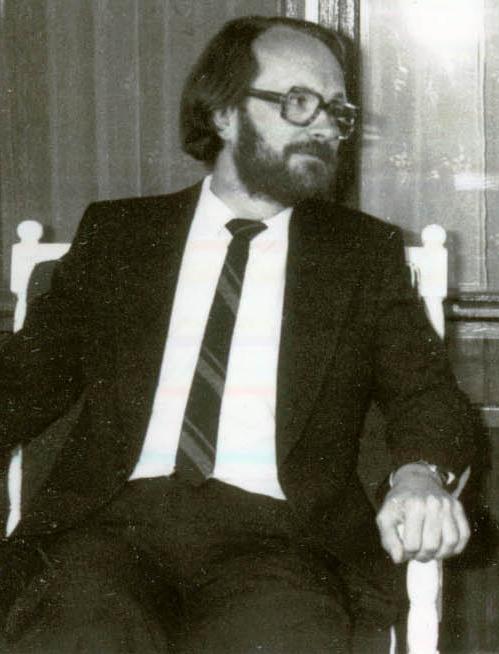
Biography
Furre was born on the island of Sjernarøy in the municipality of Finnøy. Trained in theology and later in historical studies, he moved between university and public life. His background in the humanities informed both his scholarly output and his approach to political questions, where he often emphasized historical context and moral considerations.
Political career
Active on the Norwegian left, Furre was first associated with the Socialist People's Party and later with the Socialist Left Party. He served as leader of the Socialist Left Party from 1976 until 1983, a period during which the party sought to define its position in national politics and to broaden its appeal. For more information about the party and its development, see the Socialist Left Party.
Work as a historian and theologian
As a historian Furre focused primarily on developments in Norway during the twentieth century. His work aimed to place contemporary political debates in their longer historical context, examining social, cultural and political change. His training in theology also shaped his reflections on ethics and public life, and he contributed to debates on the role of religion and values in modern societies.
Notable aspects and influence
- Leader of a national political party during a formative era for the Norwegian left.
- Bridged academic scholarship and public debate, writing and speaking for broader audiences.
- Emphasized historical perspective in political analysis, especially concerning twentieth-century Norway.
Furre remained a respected figure in Norwegian intellectual life until his death on 11 January 2016 after an illness. He is remembered both for his role in party politics and for his contributions to understanding Norway's modern history.
Related articles
Author
AlegsaOnline.com Berge Furre: Norwegian historian, theologian and left-wing political leader Leandro Alegsa
URL: https://en.alegsaonline.com/art/10685
Sources
- commons.wikimedia.org : Berge Furre
- aftenposten.no : "Berge Furre er død"