
Walkman: the portable audio player and cultural icon
Walkman is Sony’s brand for portable personal audio players, introduced in the late 20th century. It popularized private, portable listening and led to many format variants from cassette to digital.
Overview
The Walkman is both a brand name and a common term for small, portable audio players first popularized by Sony. Conceived to let people carry personal music with them, the Walkman transformed how and where listeners consume recorded sound by pairing a compact playback device with lightweight headphones. Over time the name came to describe a whole category of portable players, even as underlying formats changed.

Image gallery
10 Images



Design and distinguishing features
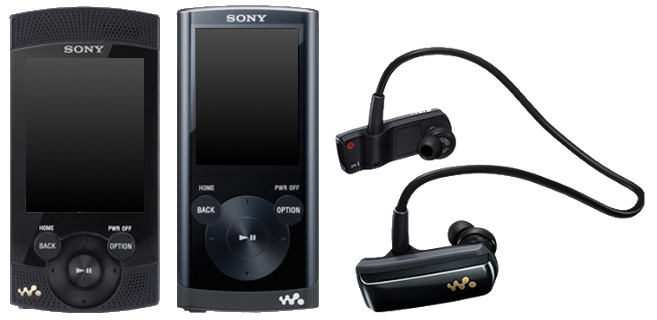
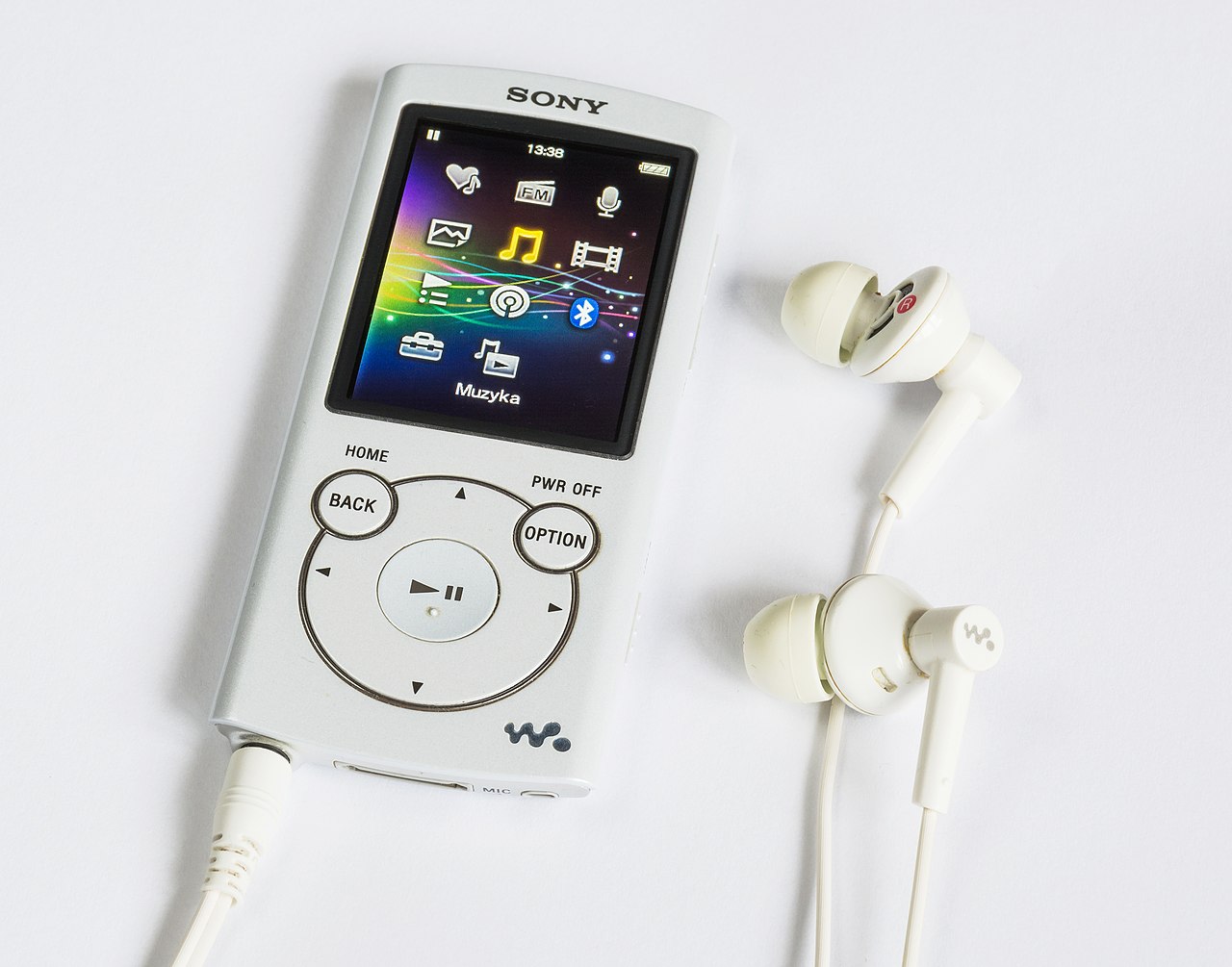
Early Walkman products were built around a compact cassette mechanism and lightweight stereo headphones, emphasizing low weight, simple controls (play, stop, pause, fast forward, rewind) and battery power for true portability. Later products retained the Walkman identity while adopting new media: portable CD players, MiniDisc models, and eventually solid-state digital players with integrated audio file playback. Across generations the main characteristics remained the same: personal use, small size, and an emphasis on private listening.
History and development
The concept of a pocketable personal player emerged in the late 1970s and reached wide recognition when Sony released its early portable models. That launch catalyzed competition and rapid innovation in compact audio hardware and accessories. As formats evolved, the Walkman brand evolved too: Sony extended it to successors that played optical discs and digital files, and it continued to invest in sound quality and compactness for many years.
Uses and cultural impact
The Walkman changed daily life by making music a mobile, private experience. Typical uses included commuting, exercise, and travel, and the device influenced how people organized playlists and shared mixtapes. Its impact is also cultural: the image of someone walking while listening captured a new norm of personal audio consumption and shaped later devices and habits.
Variants and notable facts
- Formats: cassette, compact disc, MiniDisc, and digital solid-state players have all carried the Walkman name.
- Legacy: the brand became closely associated with portable audio and is sometimes used generically in everyday speech.
- Modern context: smartphones and streaming services have largely supplanted standalone players for many users, but dedicated personal audio players still persist for audiophiles and collectors.
Today the Walkman is remembered both as a technological milestone and a cultural symbol of personal listening. Its history illustrates how a focused design goal — mobility and private playback — can reshape product categories and everyday behavior.
Related articles
Author
AlegsaOnline.com Walkman: the portable audio player and cultural icon Leandro Alegsa
URL: https://en.alegsaonline.com/art/106261