
Walker (walking frame)
A walker (walking frame) is a common mobility aid that provides stability and support while walking. Types include standard frames, wheeled walkers and rollators; selection depends on balance, strength, and environment.
Overview
A walker, often called a walking frame, is a freestanding support device used by people who need assistance with balance, weight bearing, or endurance while walking. It is one of the most widely used mobility aids and can range from a simple metal frame to more complex wheeled models with seats and storage. Walkers are designed to reduce the risk of falls and to help users move more independently.
Image gallery
7 Images



Types and key components
There are several main varieties, each suited to different needs and environments:
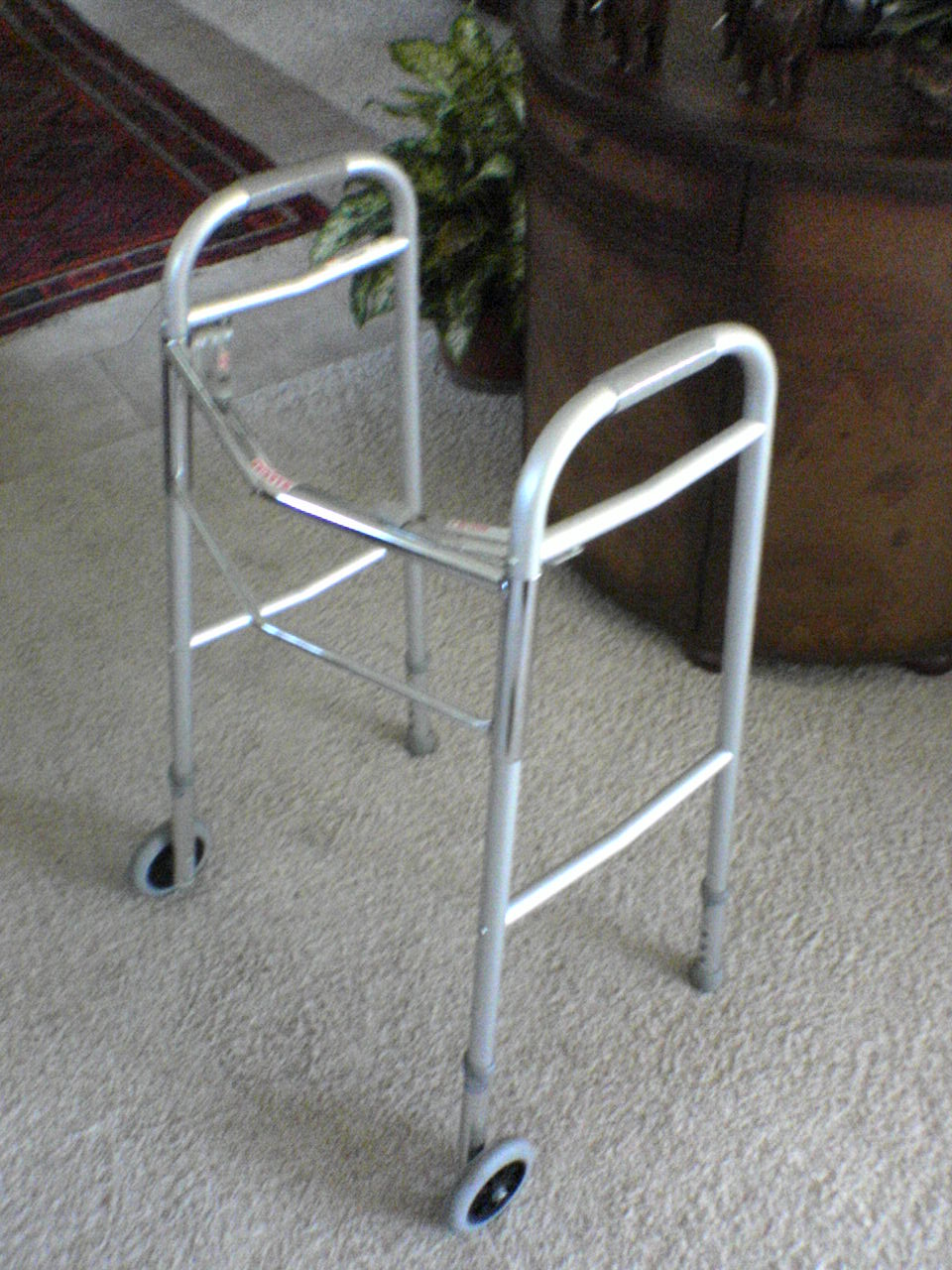
- Standard walker: a lightweight rectangular frame with four legs that the user lifts and steps into. It offers maximum stability but requires some arm strength and coordination.
- Wheeled walker: has two or four small wheels on the front or all legs to allow pushing rather than lifting. It is easier to use on smooth surfaces.
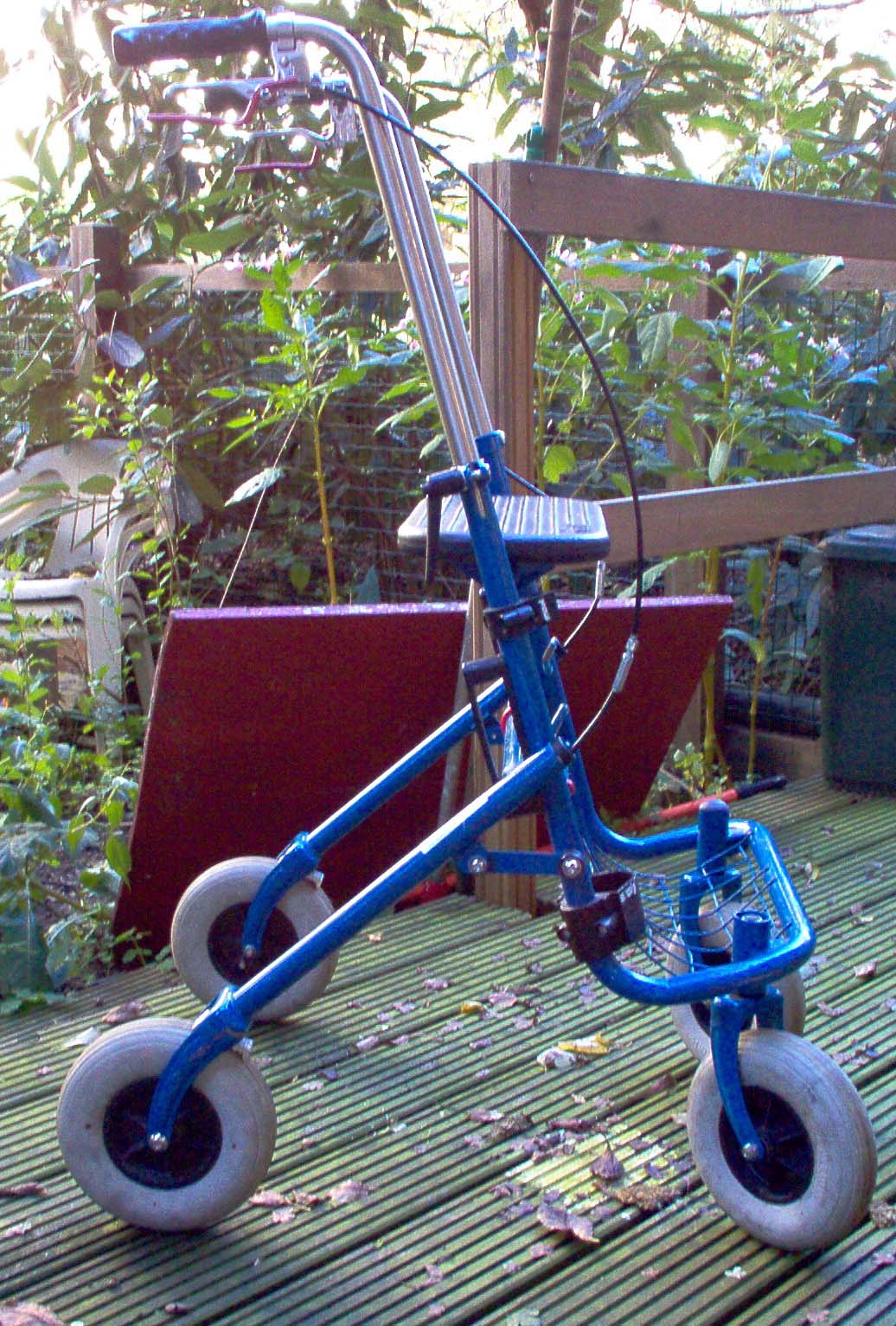
- Rollator: a wheeled walker built with larger wheels, hand brakes, a seat and often a basket. The modern rollator development traces to Sweden and it is popular for longer walks and outdoor use.
Typical parts include the frame, handgrips, adjustable height legs or posts, wheels or glides, braking mechanism (on wheeled types), and optional accessories such as seats and storage pouches.
History and development
Walking frames have evolved from simple wooden and metal designs into ergonomic, lightweight constructions. Innovations have focused on improving comfort, portability and safety: folding frames for transport, ergonomic grips to reduce fatigue, and reliable braking systems on rollators to prevent uncontrolled movement.
Uses, selection and safety
Walkers are prescribed or chosen based on balance, strength, the user’s typical environment and mobility goals. Health professionals recommend proper fitting—handle height should allow a slight bend at the elbow when standing—and instruction in safe use, such as how to turn, sit, and negotiate slopes or curbs. Advantages include increased independence and reduced fall risk; drawbacks can include reduced speed with standard frames and the possibility of tripping on uneven ground.
Accessories, care and distinctions
Common accessories are baskets, pouches, trays, and cup holders; some rollators include padded seats and backrests for rest during outings. Regular maintenance—checking brakes, wheel wear, and secure fastenings—helps ensure safe operation. Walkers differ from canes and crutches by offering four-point support and greater stability, while rollators provide greater mobility at the cost of slightly less static steadiness.
For basic descriptions of walking frames and related equipment see walking frame resources and general mobility aid guidance.
Related articles
Author
AlegsaOnline.com Walker (walking frame) Leandro Alegsa
URL: https://en.alegsaonline.com/art/106254