
Volcanic belt
A volcanic belt is an extensive region of concentrated volcanic activity, typically aligned with plate boundaries or mantle plumes, important for geology, hazards, and resource distribution.
A volcanic belt is a broad zone where volcanic activity is concentrated over a long distance. These belts mark regions where molten rock is generated and reaches the surface repeatedly, producing chains of volcanoes, lava flows, and associated deposits. They are distinct from smaller volcanic fields or solitary volcanic centers and are key features in regional geology.
Image gallery
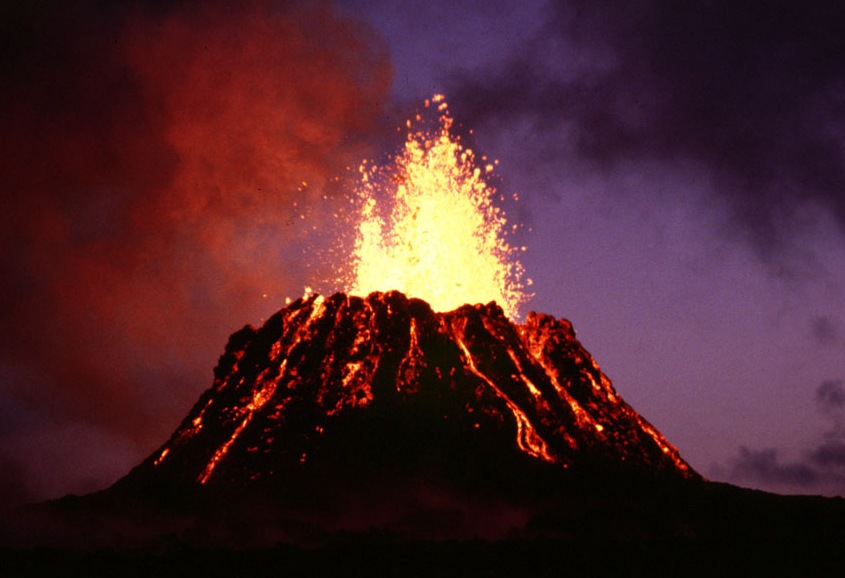
2 Images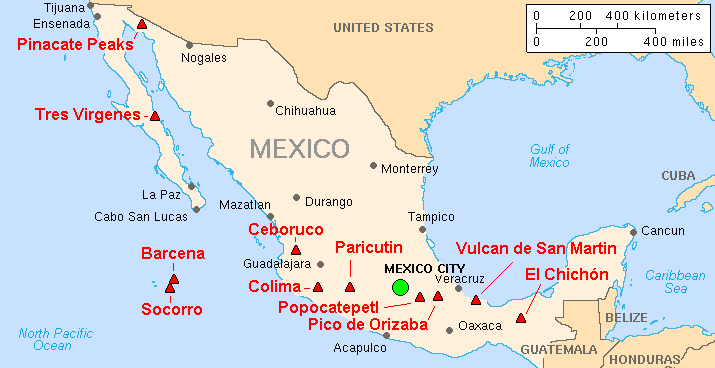
Characteristics and structure
Volcanic belts form where temperatures in the crust and upper mantle are high enough (commonly in the range of about 700–1400°C) to partially melt rock and produce magma. Generation commonly occurs at depths of roughly 10–50 km beneath the surface. Belts can extend for hundreds to thousands of kilometres and often show aligned volcanic arcs, fissure systems, and intrusive bodies. The composition of erupted materials ranges from basaltic to rhyolitic, reflecting variations in source and magma evolution.
How they form
Most volcanic belts are associated with plate tectonics. Subduction zones, where one plate sinks beneath another, commonly produce volcanic arcs; rift zones, where plates pull apart, create linear belts and fissure eruptions; and mid‑ocean ridges form submarine volcanic belts. Some belts develop above mantle plumes or hotspots, which generate volcanism away from plate boundaries. General textbooks and maps discuss these processes in relation to tectonic plates and regional geology.
Types and notable examples
- Subduction-related volcanic arcs: long chains parallel to trenches (for example, parts of the Andes).
- Rift-related belts: associated with continental breakup and fissure eruptions.
- Hotspot tracks: linear chains formed by plate motion over mantle plumes.
- Oceanic ridges: submarine belts that create new oceanic crust.
The most widely known example is the Pacific Ring of Fire, a vast circum‑Pacific zone containing many of Earth’s active volcanoes and earthquakes.
Importance and impacts
Volcanic belts shape landscapes, influence climate over long timescales, and supply important mineral deposits. They pose significant hazards — eruptions, ashfall, pyroclastic flows, and lahars — to populated regions. Belts are also prime targets for geothermal energy and scientific study of mantle dynamics and crustal evolution. Observations of ongoing volcanic activity within belts feed hazard assessment and monitoring programs.
Distinctions and notable facts
"Volcanic belt" is a broad term and should not be confused with smaller, localized volcanic fields or singular volcanoes. The exact boundaries of a belt are defined by geological mapping and the spatial distribution of volcanic centers. Studying belts provides insight into the interactions between surface processes and deep Earth dynamics, and into how regional tectonics controls where and how volcanism occurs.
For further regional maps and technical descriptions consult geological summaries and tectonic overviews available from specialized sources.
Related articles
Author
AlegsaOnline.com Volcanic belt Leandro Alegsa
URL: https://en.alegsaonline.com/art/105817