
Volcanism: processes, types, hazards and significance
Volcanism is the set of processes by which molten rock, gases and solid fragments reach or affect the Earth's surface. This article covers causes, eruption types, volcano forms, hazards, benefits and responses.
Overview
Volcanism describes the movement of molten rock, gases and solid fragments from a planet's interior to its surface. Molten rock beneath the surface is called magma, and when it reaches the surface it is termed lava. The visible episode of release and extrusion is commonly called an eruption. Magma ascent typically follows weaknesses in the crust created by tectonic forces such as folding and faulting, or along fractures produced by other stress fields.
Image gallery
9 Images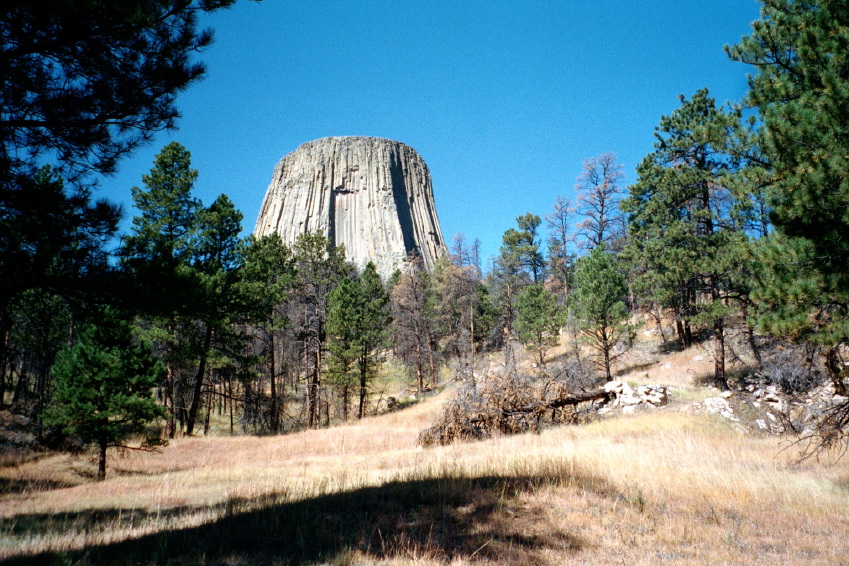



Formation and ascent of magma
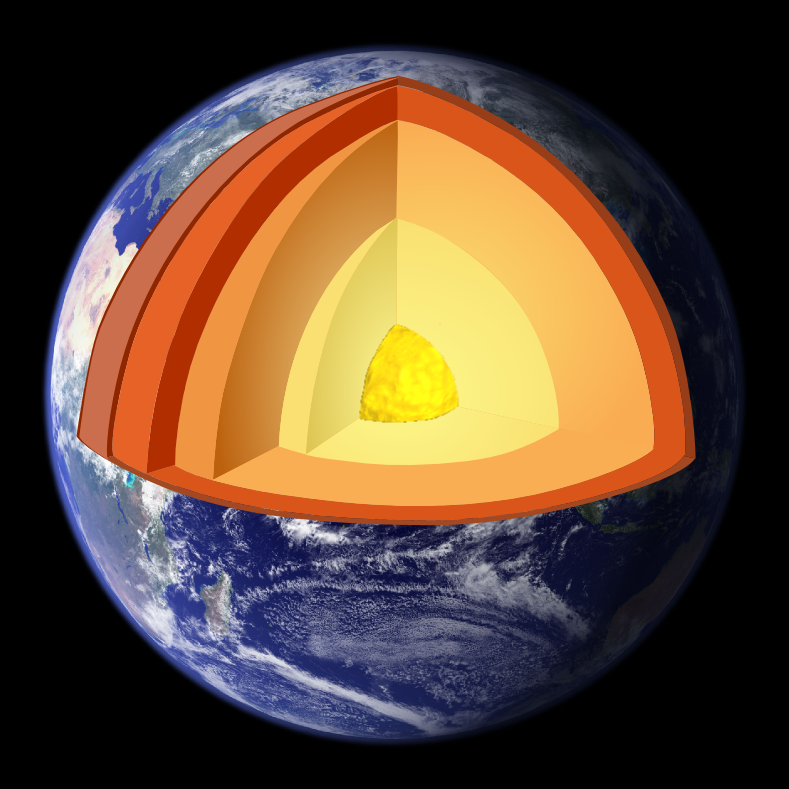
Magma forms when rock in the mantle or lower crust partially melts due to decompression, addition of volatiles, or heating. It accumulates in reservoirs beneath the crust where buoyancy and gas pressure drive it upward. As magma rises, decreasing pressure allows dissolved volatiles to exsolve; gas expansion can change eruptive behavior from effusive to explosive. Magma bodies may intrude surrounding rock as dikes, sills and plutons without reaching the surface.
Types of eruptions and volcano forms
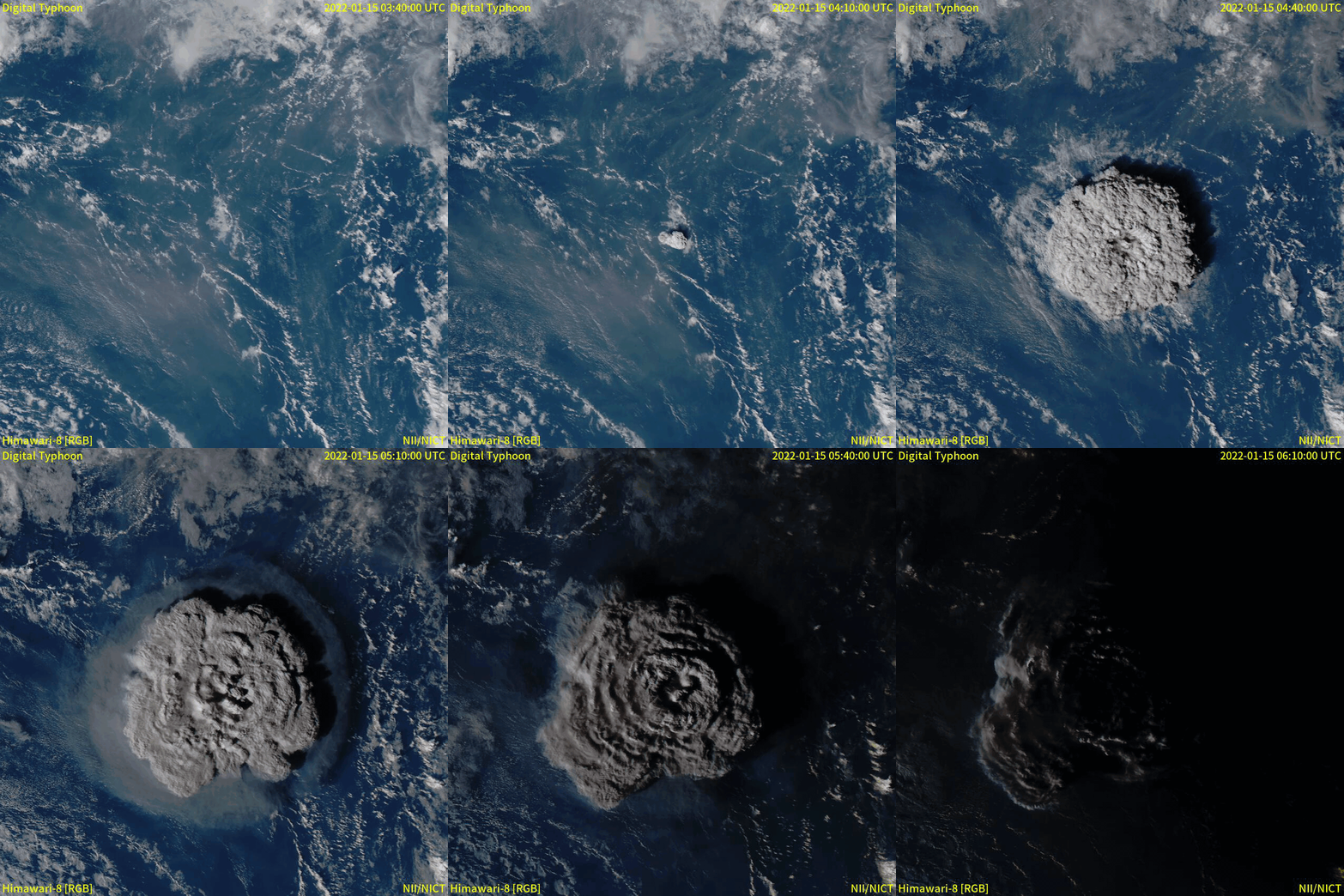
Volcanic activity ranges from gentle, effusive outpourings that create broad lava fields to highly explosive events that produce ash plumes and pyroclastic flows. Common eruption styles include effusive, explosive and fissure eruptions. Typical volcano shapes are shield volcanoes, stratovolcanoes (composite), cinder cones and calderas. The chemical composition and temperature of magma, and the amount of dissolved gas, largely control eruption style.
Tectonic settings
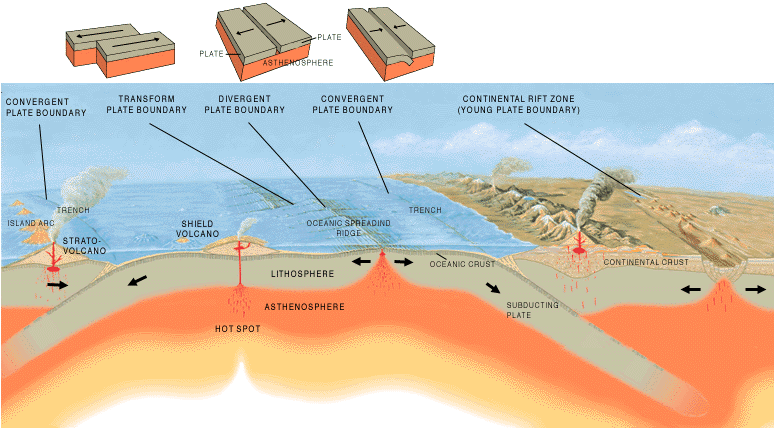
Most volcanism is associated with plate tectonics. Mid-ocean ridges generate basaltic volcanism as plates separate. Subduction zones produce arc volcanism with a range of compositions and explosive potential. Intraplate hotspots produce chains of volcanoes as a plate moves over a mantle plume. Local crustal structure, magma supply and regional stress determine the location and frequency of eruptions.
Hazards and impacts
Volcanic hazards include lava flows, ashfall, pyroclastic density currents, lahars (volcanic mudflows), volcanic gases and tsunamis caused by flank collapse or caldera collapse. Large explosive eruptions can inject ash and aerosols into the stratosphere, temporarily affecting climate and aviation. Human communities near volcanoes face risks to life, infrastructure, agriculture and water supplies.
Benefits and human responses
Volcanism also builds land, creates fertile soils, concentrates mineral deposits and provides geothermal energy. Societies reduce volcanic risk with monitoring methods such as seismic networks, gas measurements, ground deformation studies and remote sensing, combined with hazard mapping, early warning systems and land-use planning. Emergency preparedness and public education are critical for effective response.
Further reading and resources
Introductory resources, monitoring agencies and scientific reviews provide accessible information on active volcanoes, hazards and research methods. See authoritative sources on eruptive behavior, magma processes at magma studies, tectonic deformation such as folding, and surface lava observations at lava monitoring programs for more details.
Questions and answers
Q: What is volcanism?
A: Volcanism is the eruption of magma onto the surface of the Earth.
Q: What is magma?
A: Magma is molten rock beneath the Earth's surface.
Q: Why does magma rise to the Earth's surface?
A: When folding and faulting occur, cracks or fractures appear in the crust which act as lines of weakness. When these lines reach the magma they cause the pressure to be released, allowing the magma to rise up the crust and eventually reach the Earth's surface.
Q: What is lava?
A: Lava is magma that has reached the Earth's surface.
Q: How does volcanism affect the Earth's surface?
A: Volcanism can cause the formation of new land (such as volcanic islands) or alteration of existing land by adding layers of ash and rock.
Q: What is the cause of cracks and fractures on the Earth's surface?
A: Cracks and fractures on the Earth's surface occur due to folding and faulting.
Q: Can magma reach the Earth's surface?
A: Yes, magma can reach the Earth's surface as lava after rising up along lines of weakness in the crust.
Related articles
Author
AlegsaOnline.com Volcanism: processes, types, hazards and significance Leandro Alegsa
URL: https://en.alegsaonline.com/art/105823