
Vladimir Yankilevsky: Russian Nonconformist Artist and Triptych Innovator
Overview of Vladimir Yankilevsky (1938–2018), Soviet-era nonconformist artist known for nightmarish triptychs, his role in the 1960s dissenting art scene, themes, techniques, and legacy.
Overview
Vladimir Borisovich Yankilevsky (February 15, 1938 – January 4, 2018) was a Russian artist associated with the Soviet Nonconformist Art movement. Born in Moscow, he became known for works that resisted official Soviet aesthetics through psychologically charged imagery and unconventional formats. Yankilevsky's best-known pieces are his complex triptychs, which combine painting, relief and assemblage to explore confinement, anxiety and the absurdities of everyday existence.
Image gallery
2 Images
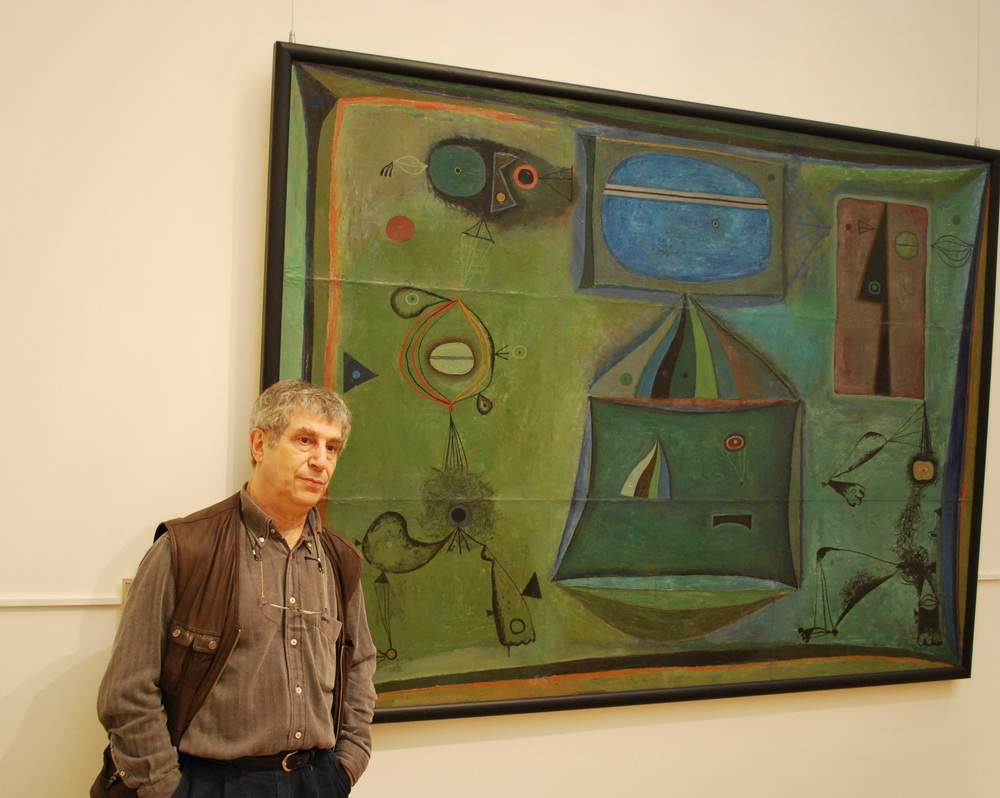
Artistic characteristics and themes
Yankilevsky's art often evokes claustrophobic or nightmarish states. He used distorted figures, cramped compositions and layered surfaces to suggest emotional and social restriction. Materials varied from oil and tempera to fabric, cardboard and sculptural elements, producing works that sit between painting and object. Common themes include:
- Alienation and psychological pressure
- Human vulnerability and bodily deformation
- Critiques of bureaucratic or repressive social systems
- Existential reflection on mortality and memory
Historical context and career
Yankilevsky emerged in the 1960s, when a generation of Soviet artists sought alternatives to Socialist Realism. He was among participants at the 1962 Manezh exhibition where Nikita Khrushchev publicly denounced avant-garde painters, an episode that symbolized the state clash with experimental art. Yankilevsky continued to produce work through the 1970s and 1980s, participating in unofficial shows, international exhibitions and later, retrospective presentations after the Soviet era, as openness increased.
Notable works and techniques
The triptych format became a hallmark: three hinged panels that open and close like a codex, often revealing inner imagery or assembled contents. These pieces resist easy classification as painting, sculpture or installation. Yankilevsky also produced drawings, prints and smaller reliefs that echo the same motifs of compression and bodily metaphor. His approach blends expressionist distortion with an interest in material tactility and spatial containment.
Legacy and significance
Yankilevsky is regarded as an important voice of Soviet nonconformist art for articulating subjective and critical perspectives in a constraining cultural environment. His work influenced contemporaries and later generations interested in the line between image and object, and between personal trauma and political atmosphere. Exhibitions and catalogues since the late 20th century have reassessed his contribution to Russian and international postwar art.
Life and final years
Born and trained in Moscow, Yankilevsky later worked internationally. He is remembered for his uncompromising visual language and for provoking debate about art's role under repression. Yankilevsky died in Paris of leukemia on January 4, 2018. His life and work remain subjects of study in discussions of dissenting Soviet culture and creative resilience.
For further reading on specific exhibitions, works and the broader movement, see resources linked to the artist's biography and key events such as the Manezh affair involving Nikita Khrushchev. Additional material explores how individual pieces addressed conditions of daily life in the Soviet Union and universal human experience.
Related articles
Author
AlegsaOnline.com Vladimir Yankilevsky: Russian Nonconformist Artist and Triptych Innovator Leandro Alegsa
URL: https://en.alegsaonline.com/art/105741
Sources
- art4.ru : Владимир Янкилевский на сайте Музея АРТ4
- rkd.nl : RKD.nl
- krokingalereya.com : Владимир Янкилевский в блоге Крокин галереи
- books.google.com : The Experimental Group: Ilya Kabakov, Moscow Conceptualism, Soviet Avant-Gardes
- ntv.ru : Умер художник Владимир Янкилевский
- ria.ru : Художник Владимир Янкилевский скончался в возрасте 79 лет