
Triptych: three-panel artworks, form, history and uses
A triptych is an artwork or object made of three panels that form a unified composition. Common in religious altarpieces, it also appears in modern art, photography and portable devotionals.
Overview
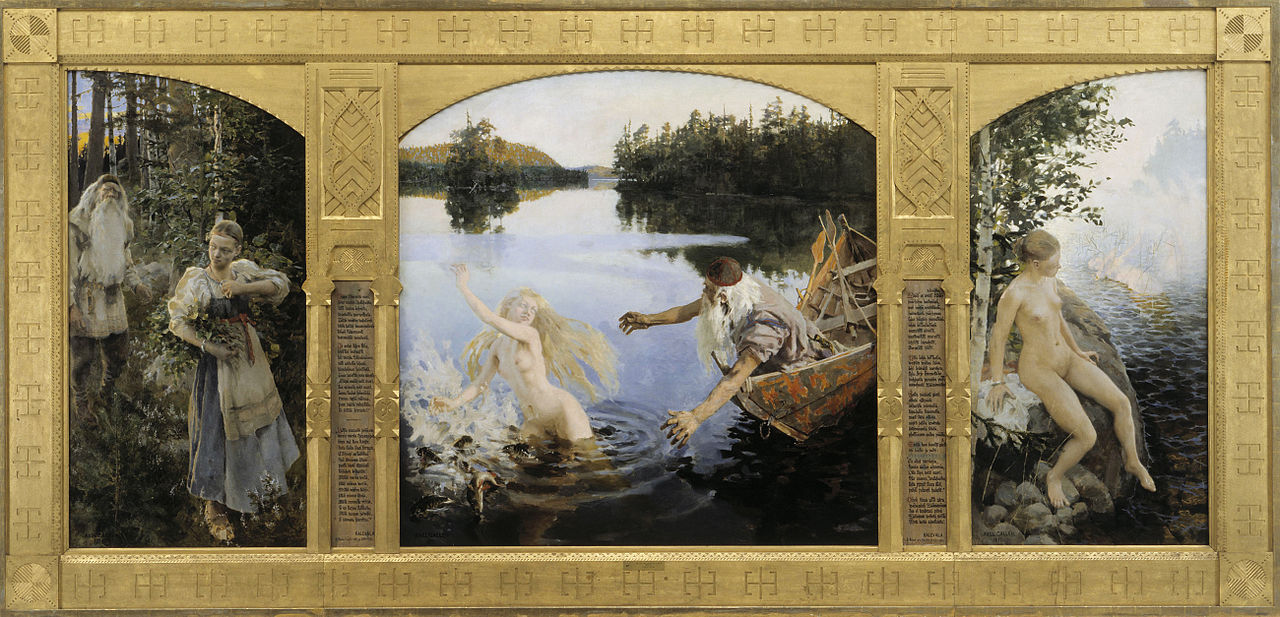
A triptych is a work composed of three distinct panels that together form a single image, narrative or related set of scenes. The center panel is often the focal point and may be larger than the flanking wings, though sizes can be equal. Traditionally the panels are connected with hinges so the outer wings fold over the center for protection or to create different displays.
Image gallery
10 Images


Etymology and definition
The term comes from the Greek adjective triptukhos, meaning "three-fold" (from tri-, "three", + a root meaning "to fold"). In modern usage "triptych" applies to paintings, carvings, photographs or other objects that intentionally use three joined parts to present a unified work.
Structure, materials and variants
Triptychs have been executed in many media and techniques. Common characteristics and components include:
- Hinged panels (wood, canvas on wood, or canvas) allowing the wings to open and close.
- Materials such as tempera or oil paint on wood panels, frescoes, carved ivory or stone, enamels, and modern photographic panels.
- A central, often dominant panel with narrative or devotional focus and two side wings that expand or complement that theme.
History and development
Triptychs have a long history in Christian art as altarpieces and portable devotional objects from the early medieval period onward. In churches they served liturgical and didactic functions, presenting saints, scenes from the life of Christ, or cycles of doctrine. During the Renaissance and in Northern Europe, artists developed sophisticated pictorial programs across three panels. From the 20th century, artists adopted the format for secular, psychological and formal experiments, producing modern and abstract triptychs in painting, photography and installation.
Uses, examples and significance
Functionally, triptychs can be public altarpieces, private devotional diptychs and triptychs, or purely artistic statements. They are especially useful for narrative sequencing—beginning, middle and end—or for contrast between related ideas. Well-known examples include large altarpieces by medieval and Renaissance workshops and later three-panel paintings by modern artists. The format remains popular in contemporary photography and gallery installations where repeated or sequential images enhance meaning.
Related terms and conservation
Related terms include diptych (two panels) and polyptych (more than three). Conservation of triptychs raises particular challenges: hinges, layered paint on adjoining edges, and the need to preserve the original configuration all affect restoration choices. The folding nature that once protected panels can complicate modern display and transport, so museums and conservators carefully assess structural and pictorial stability when treating these multi-panel works.
Notable facts: The triptych format endures because it combines compositional restraint with narrative flexibility. Whether in a cathedral, a private chapel, or a contemporary gallery, three joined panels create a distinctive rhythm and spatial relationship that artists continue to explore.
Questions and answers
Q: What is a triptych?
A: A triptych is a series of three separate paintings that together form a story, usually joined together with hinges so they can be folded shut or displayed open.
Q: Where does the word 'triptych' come from?
A: The word 'triptych' comes from the Greek adjective triptukhon (three-fold), from tri, (three) and ptysso, (to fold) or ptyx, (fold).
Q: Is the middle painting usually larger in a triptych?
A: Yes, often the middle painting of a triptych is larger than the other two paintings although they can all be of equal size as well.
Related articles
Author
AlegsaOnline.com Triptych: three-panel artworks, form, history and uses Leandro Alegsa
URL: https://en.alegsaonline.com/art/101574
Sources
- etymonline.com : "triptych"
- merriam-webster.com : "Triptych"
- britishmuseum.org : britishmuseum.org/research/collection_online/collection_object_details.aspx?objectId=1626…
- artuk.org : Artworks Website U.K.
- loc.gov : Another version of a C.W. Wass engraving can be found on the Library of Congress website