
Viva la Vida (Coldplay song)
A detailed overview of Coldplay's 2008 song 'Viva la Vida': its sound, themes, production, release, chart success, cultural impact and notable facts.
Overview
"Viva la Vida" is a popular English pop-rock band single by Coldplay. It appears on the record Viva la Vida or Death and All His Friends, often cited by its full title Viva la Vida or Death and All His Friends. The song marked a turning point in the group's sound and became their first number-one single in both the United Kingdom and the United States. The band also performed it on television, including an appearance on The Simpsons.
Image gallery
6 Images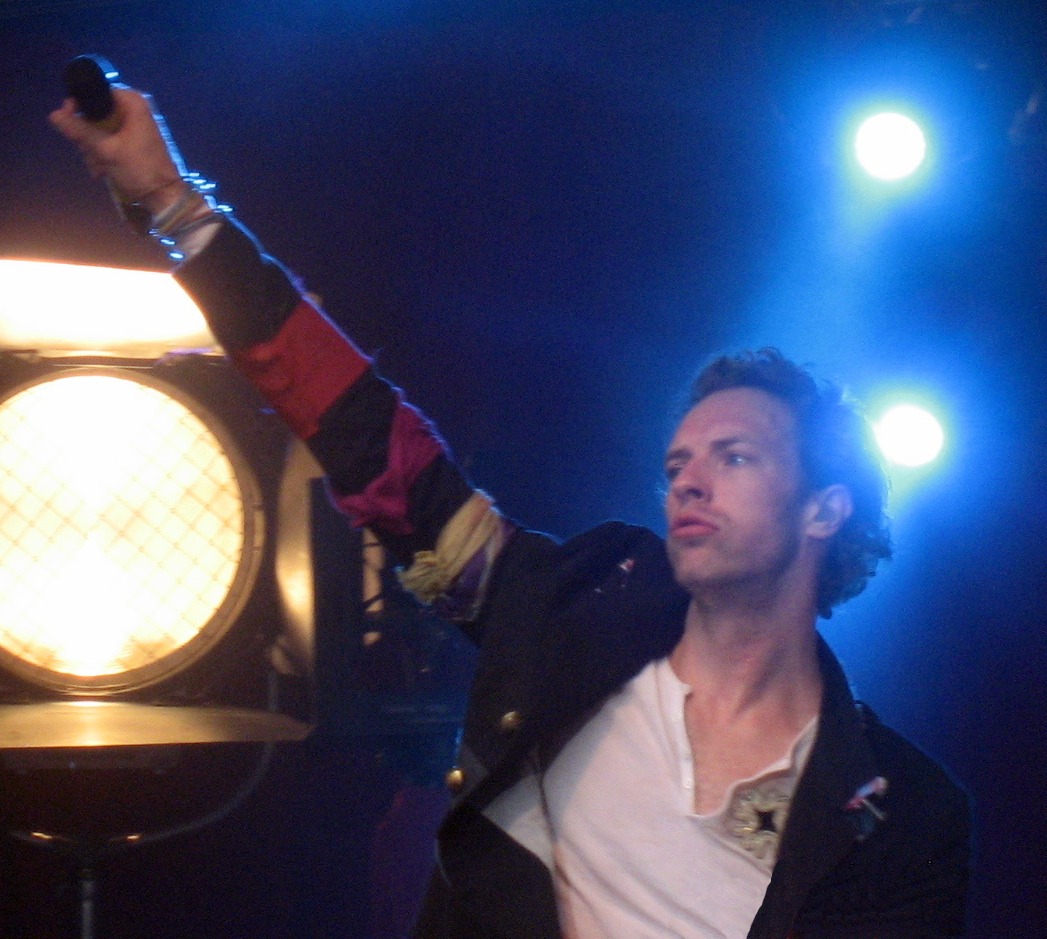



Musical characteristics and themes
The track is notable for foregrounding string arrangements and a strong, marching rhythmic pattern rather than the piano-led ballads the group had been known for. Lyrically, the narrator speaks in the voice of a fallen ruler or monarch, reflecting on power, loss and memory; the title, Spanish for "long live life," contrasts celebratory phrasing with themes of exile and regret. Instrumentation blends rock band elements with orchestral textures and bright melodic hooks.
Production and artwork
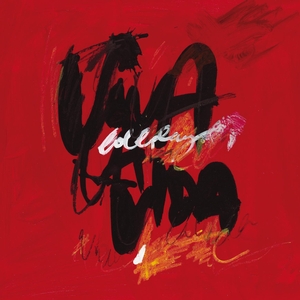
Recorded during sessions that emphasized experimentation, the song benefited from production that highlighted both sheen and organic textures. The album era involved outside producers and collaborators who encouraged broader sonic palettes. Visually, the single and album era drew on historical art imagery for cover art and promotion, underlining the track's blend of the epic and the intimate.
Release, reception and legacy
Upon release the song achieved widespread radio play and commercial success, reaching the top of major national charts and becoming a staple of the band's live set. Critics praised its ambition and melodic strength, even as some commentators noted a stylistic shift from earlier releases. It has since been covered and reinterpreted by other artists and used in a variety of media, helping to cement its status as one of the band's signature songs.
Notable facts and controversies
The song's success brought attention beyond the music charts: it received industry recognition and sparked discussion about influences and originality. At least one public dispute over melodic similarity to an earlier instrumental work was reported and later resolved between the parties. The single's era also included memorable television and festival performances that broadened its cultural reach.
- Translation: The phrase "Viva la Vida" means "long live life" or "live life" in Spanish.
- Style: Orchestral-rock arrangement with anthemic qualities.
- Impact: Became a concert staple and a commercial breakthrough in key markets.
- Media: Performed on television and featured in various compilations and tributes.
Taken together, the song represents a moment when the band widened their musical ambitions and reached a broader international audience. Its blend of historical imagery, sweeping arrangement and a concise, memorable chorus helped it endure beyond the initial chart success.
Related articles
Author
AlegsaOnline.com Viva la Vida (Coldplay song) Leandro Alegsa
URL: https://en.alegsaonline.com/art/105686