
Voice (polyphony)
In polyphonic music, a voice is an independent melodic line or 'part' within a texture of two or more simultaneous lines, used in vocal and instrumental music and central to counterpoint and part-writing.
In music theory, a voice refers to any independent melodic line heard among two or more simultaneous lines. These lines are commonly called voices even when performed on instruments rather than sung. The term is often interchangeable with part, though that word can also mean a section of a composition, which may cause confusion. A single composition can therefore be described as two‑voice, three‑voice, or multiple‑voice depending on how many distinct melodic strands sound at once. See a general explanation of melodic lines: melodic lines.
Image gallery
3 Images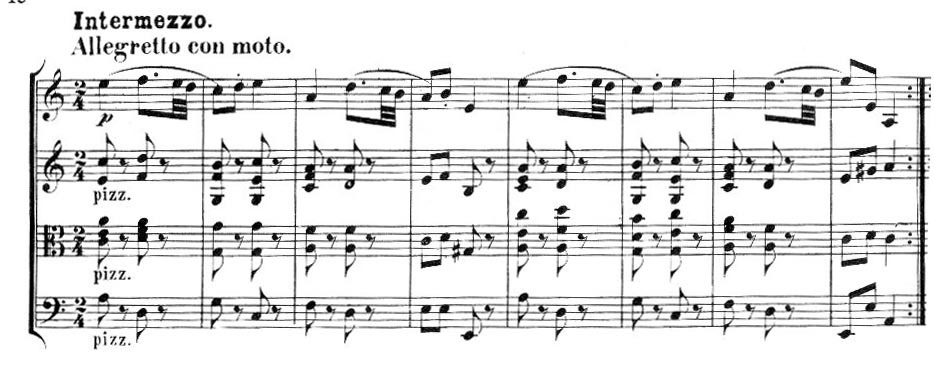


Characteristics and how voices function
Individual voices usually have their own contour, range, rhythmic profile, and harmonic implication. When combined, they form a texture whose clarity depends on factors like register, timbre, and contrapuntal independence. Common characteristics include:
- Independent melodic motion (contrary, parallel, or oblique).
- Relative independence in rhythm and phrasing.
- Distinct ranges that help distinguish voices (soprano, alto, tenor, bass in choir).
- Voice leading rules that govern how one voice moves to the next pitch to maintain smoothness and consonance.
Historical development
The concept of multiple voices emerged early in Western music with organum and other medieval practices that added parallel or independent lines to a chant. During the Renaissance, polyphony became highly developed, emphasizing imitative counterpoint and careful voice leading. Baroque composers perfected fugue and thoroughbass techniques, writing works where each voice has a clear role. Later periods continued to use voices in both traditional polyphonic textures and new, more complex contrapuntal treatments.
Uses and examples
Voices appear across genres: choral music typically assigns voices to singers, chamber and orchestral music distributes voices among instruments, and keyboard music can realize multiple voices simultaneously on one instrument. For example, a three‑part fugue contains three independent voices that enter and interweave; a common textbook example is a 3-part fugue. Keyboard works make extensive use of this idea by having a single performer articulate several parts at once — see discussion of keyboard realization: keyboard realization.
Distinctions and notable facts
Voice is primarily a relative concept: the same sounding line might be considered a voice in one texture but not in another. Common textural contrasts include monophony (one line), homophony (a prominent melody with accompaniment), and polyphony (multiple independent voices). Understanding voices is central to counterpoint, part-writing, and arranging, since clear voice separation and smooth voice leading contribute to musical clarity and expressive depth.
Related articles
Author
AlegsaOnline.com Voice (polyphony) Leandro Alegsa
URL: https://en.alegsaonline.com/art/105793