
Visingsö: island in Lake Vättern with historic sites and rural landscape
Visingsö is the largest island in Sweden's Lake Vättern. Known for its rural scenery, medieval remains and year‑round ferry links, it is part of Jönköping Municipality and a regional tourist destination.
Visingsö is an island in central southern Sweden located in the freshwater Lake Vättern. The island sits within Swedish territory and today is administered as part of Jönköping Municipality. Visitors and residents reach the island by regular passenger and vehicle ferry services. For geographic context see Vättern and Sweden, and for basic place information see Visingsö.
Image gallery
7 Images
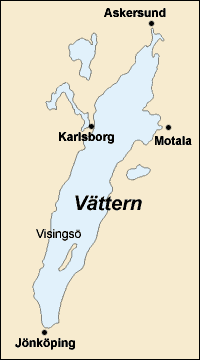
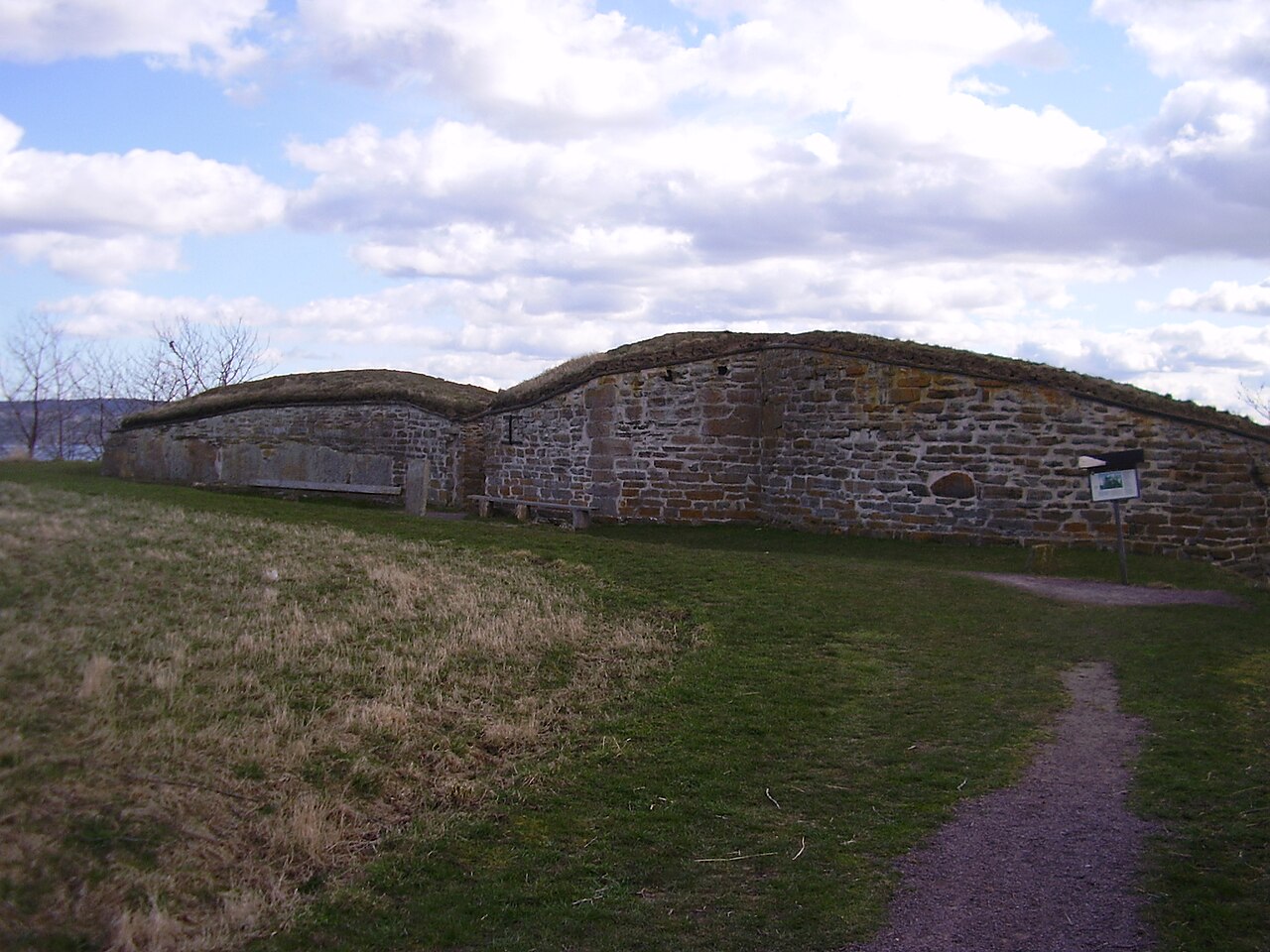


Overview and landscape
Visingsö is the largest island in Lake Vättern and is characterised by a mix of farmland, small woodlands and shoreline habitats. The landscape is predominantly open and gently rolling, with clusters of traditional villages and farmsteads. Narrow country roads and paths make the island popular for cycling, walking and slow sightseeing.
Key characteristics
- Rural character: an agricultural mosaic of fields, pastures and hedgerows.
- Historic remains: visible traces of medieval buildings and manor sites.
- Access: regular ferry links connect the island to the surrounding mainland.
- Community: a small permanent population supplemented by seasonal visitors.
History and cultural importance
Visingsö has a long human presence and played a role in regional medieval politics. Archaeological finds and ruins on the island record centuries of settlement, fortified sites and noble residences. Until the municipal reform of 1971 the island had its own local administration; afterward it was incorporated into the larger municipal structure of Jönköping.
Uses and tourism
The island's economy combines agriculture, small‑scale local services and tourism. Visitors are drawn by the quiet countryside, historic ruins, birdlife and recreational opportunities on and around Lake Vättern. Accommodation, seasonal cafés and guided walks are typical services oriented to day‑trippers and longer stays.
Notable facts and distinctions
Besides being the largest island in the lake, Visingsö is often noted for its well‑preserved cultural landscape and the visible layers of history in its ruins and buildings. The island is an example of how rural Swedish islands combine natural values, living communities and heritage that attract both researchers and tourists.
Related articles
Author
AlegsaOnline.com Visingsö: island in Lake Vättern with historic sites and rural landscape Leandro Alegsa
URL: https://en.alegsaonline.com/art/105613
Sources
- scb.se : "Statistisk årsbok 2011"