
Vitebsk: History, Culture, and Urban Profile
Vitebsk (Viciebsk), a major city in Belarus near the Russian border, is the capital of Vitebsk Region, known for its cultural heritage, festivals, art legacy, universities and complex political history.
Overview
Vitebsk (also written Viciebsk or Vitsyebsk) is a principal city in Belarus, located in the country’s northeastern portion near the boundary with Russia. It serves as the administrative center of Vitebsk Region (oblast) and has long been an important regional hub for transportation, education and culture. In 2004 the city’s population was recorded at about 342,381, and it has commonly been described as one of Belarus’s largest cities.
Image gallery
10 Images





Geography and urban character
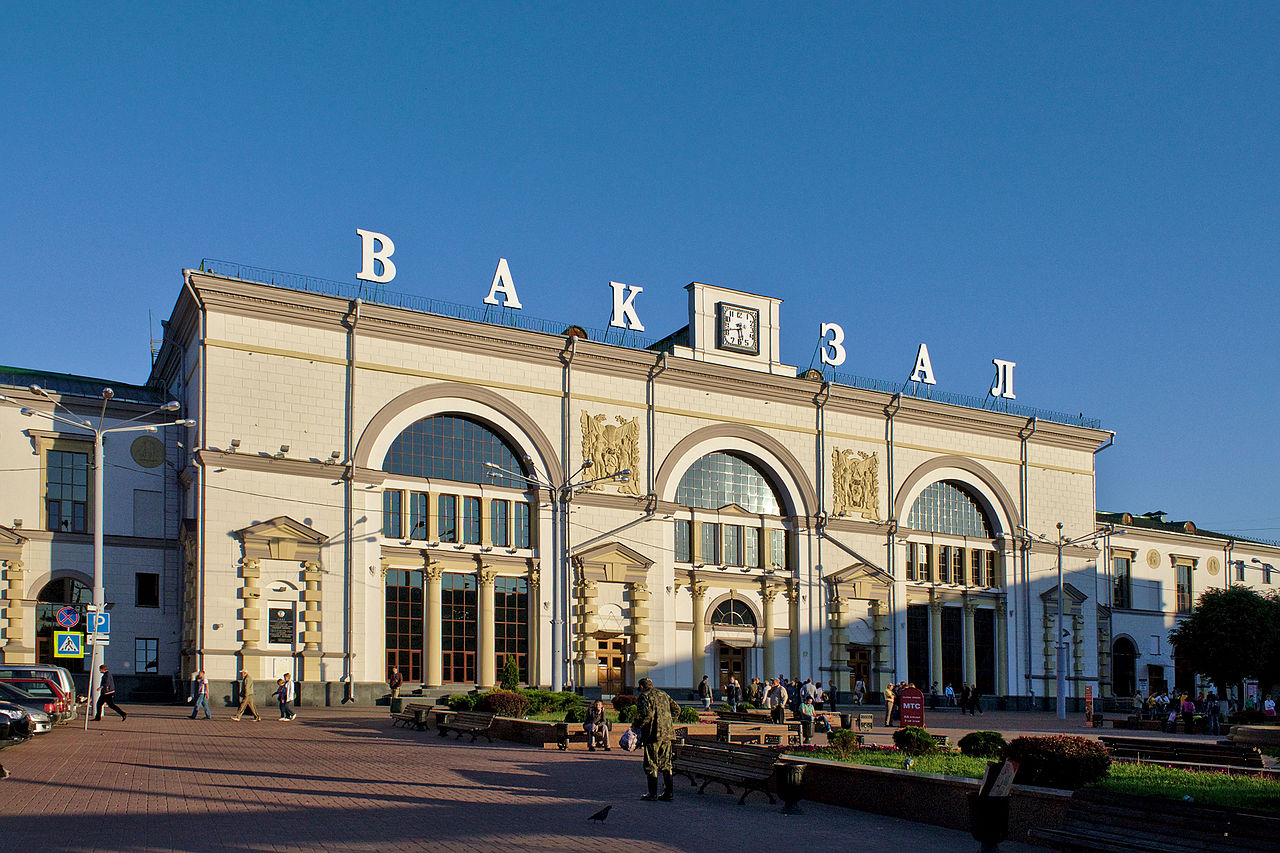
Vitebsk stands along the banks of a major river that has shaped its layout and commerce. The urban fabric combines an older historic core with more modern Soviet-era districts. Notable elements of the cityscape include surviving religious buildings, civic squares, and industrial zones on the periphery. Transport links comprise a regional airport, a military air base, rail connections, and road routes that connect the city with other parts of Belarus and neighboring countries.
Universities, economy and institutions
The city is a center for higher education and regional services. Among its principal institutions are:
- Vitebsk State Technological University — focusing on engineering and applied technologies.
- Vitebsk State Medical University — a key medical and research training center.
- Vitebsk State University (named for Pyotr Masherov) — a general university offering humanities and sciences.
Local industry has historically included textiles, machinery and food processing, while cultural activities and education play a major role in the city’s economy.
History and political changes
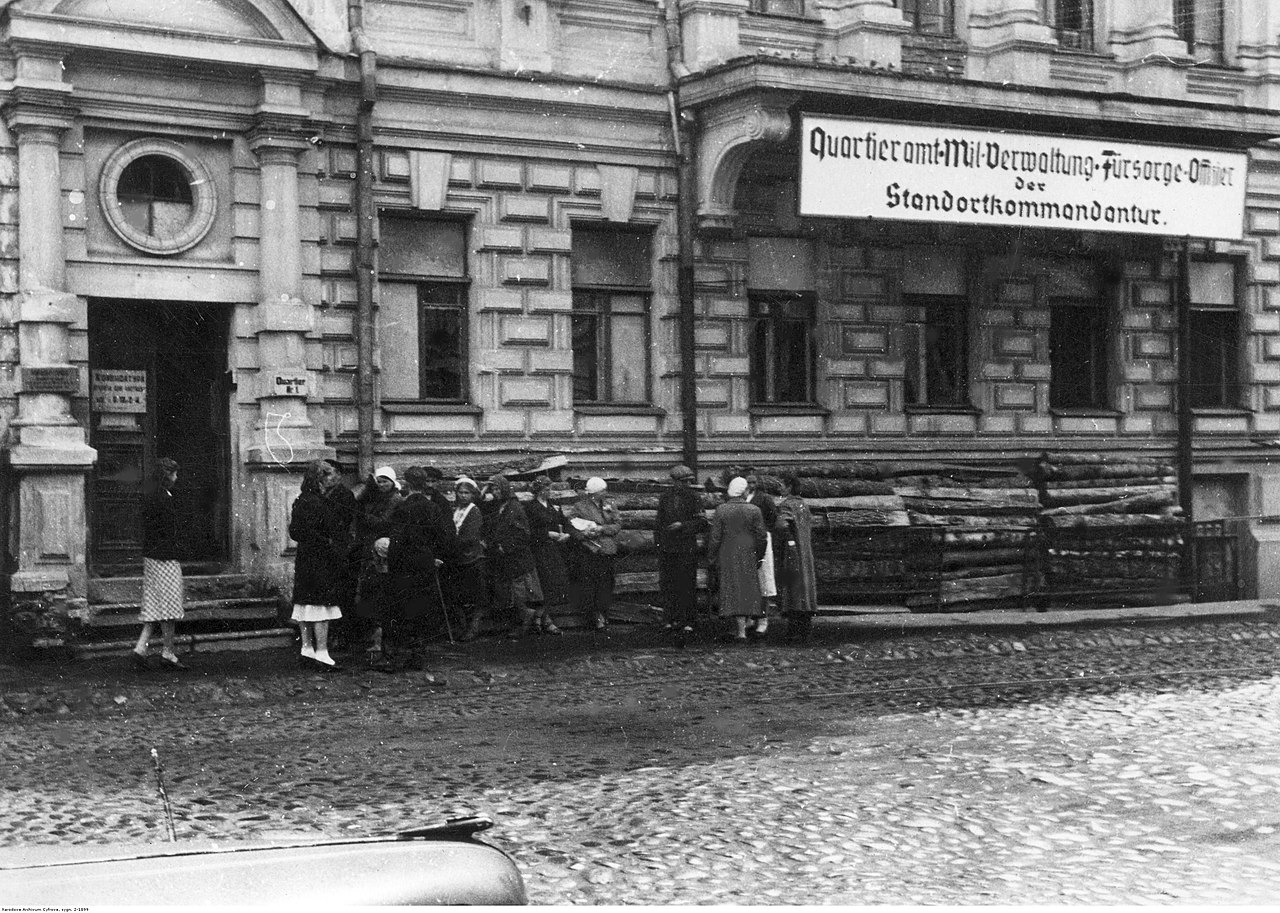
Vitebsk has medieval roots and has been part of several states and political structures over the centuries. In the early 20th century it experienced the upheavals of revolution and civil war. In 1919 it became part of the Socialist Soviet Republic of Byelorussia, was later transferred between neighboring Soviet republics and briefly included in the short-lived Lithuanian–Belorussian Soviet Republic (Litbel), and in 1924 was incorporated into the Byelorussian Soviet Socialist Republic again — a sequence of administrative transfers that reflects the broader turmoil of the period and the reorganization of borders and authorities (see historical sources). During the Second World War the city was occupied and suffered heavy damage; the postwar decades saw reconstruction and industrial development.
Culture, art and notable facts
Vitebsk has a notable cultural profile. It is widely associated with the artist Marc Chagall, who was born in the region and drew on local Jewish and provincial life in his work; the city celebrates that legacy in museums and cultural institutions. Vitebsk hosts an international arts festival each summer that attracts performers from across Eastern Europe and beyond, reinforcing its reputation as a center for music and performing arts.
Landmarks and visitor information
Visitors commonly seek out the older churches and synagogues, riverfront promenades, and museums dedicated to modern art and local history. The city’s combination of historical sites and postwar architecture gives a layered impression of Eastern European urban development. Practical travel access is provided by the regional airport (Vitebsk Vostochny), rail lines and long-distance road services; a military air base is also located nearby.
Contemporary relevance
Today Vitebsk functions as an administrative, educational and cultural capital of its region. Its institutions train professionals who serve the wider area, its festivals promote international cultural exchange, and its museums preserve a complex local history that includes multiethnic communities, wartime experience, and artistic achievement. For readers seeking more detailed civic data, transport schedules or museum hours, the city’s regional portals and cultural sites offer up-to-date information.
Related articles
Author
AlegsaOnline.com Vitebsk: History, Culture, and Urban Profile Leandro Alegsa
URL: https://en.alegsaonline.com/art/105659