
Visitor center: purpose, services, history, and types
Comprehensive overview of visitor centers: roles, typical services and layouts, history, types, design and staffing, visitor management, accessibility and modern digital trends.
Overview
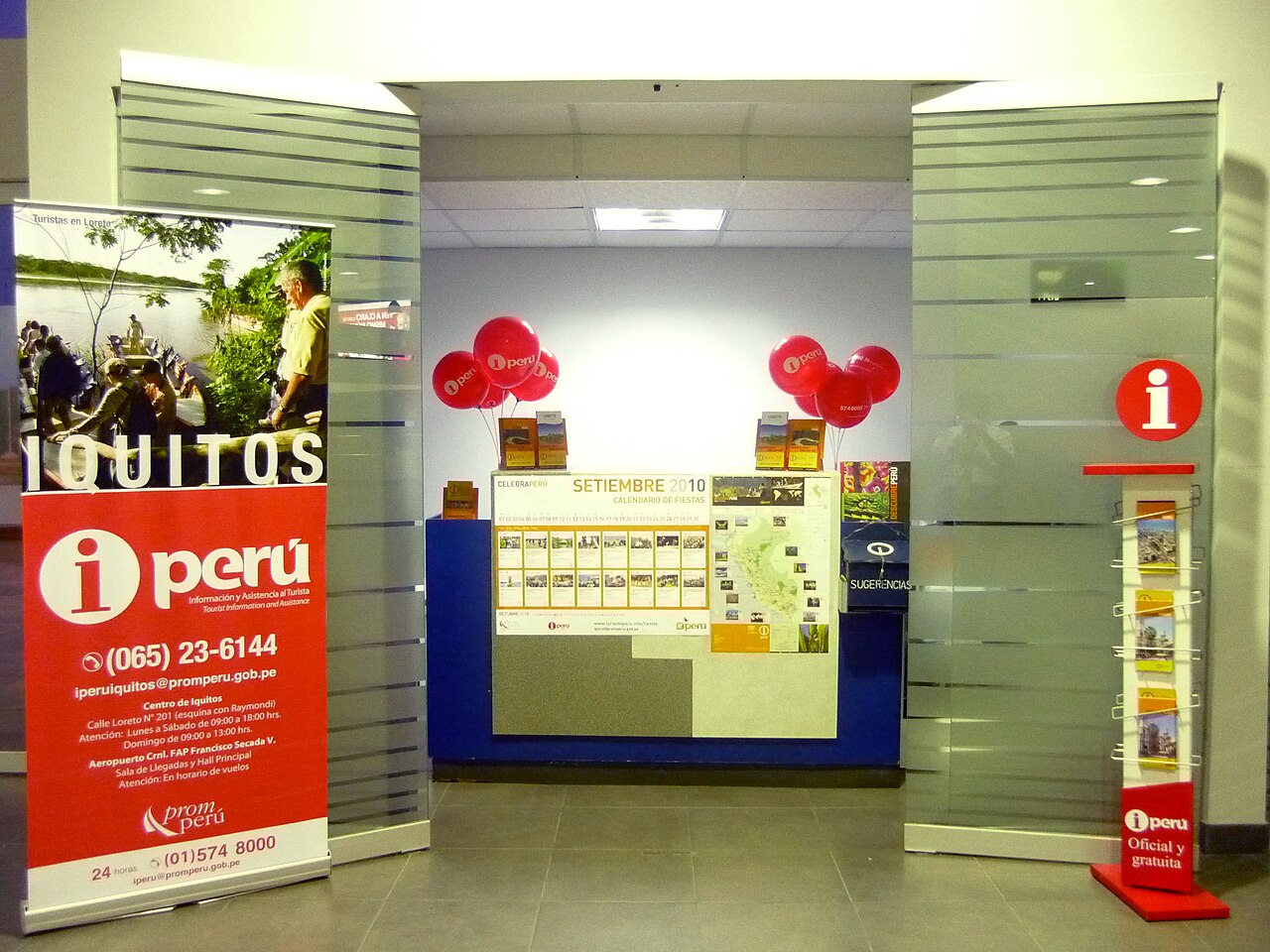
A visitor center (also visitor centre or tourist information center) is a staffed or automated facility that provides information and services for people arriving at a place. It helps visitors orient themselves, learn about attractions and regulations, plan activities and access safety guidance. Visitor centers are found in cities, regions, national parks, museums, heritage sites, transport hubs and private attractions.
Image gallery
9 Images



Typical services and layout
Most centers combine practical services with interpretive material. Common offerings include printed maps and brochures, ticket sales or reservations, staffed advice desks, restroom access, seating and basic first aid. Many centers feature orientation exhibits, audio-visual presentations, interpretive panels explaining natural, cultural or historical features, gift shops and amenities such as lockers or charging stations.
History and development
Organized points of welcome and information emerged as travel and leisure expanded in the 19th and 20th centuries. Local tourism offices, rail and coach terminals, and cultural institutions created welcome points to assist growing numbers of travellers. Over time, centers evolved from simple booths to multi-purpose spaces used for interpretation, safety briefings, permit distribution and visitor management.
Types and examples
- City or regional tourist information centers—help with attractions, public transport and accommodation.
- National park and protected-area centers—focus on interpretation, safety, permits and conservation messages.
- Museum or heritage site welcome centers—introduce exhibits, timelines and orientation aids.
- Corporate or industrial visitor centers—showcase a company’s activity, products or history.
- Transport and gateway centers at airports, train stations or ferry terminals—assist arriving travellers with onward connections.
Design, staffing and funding
Design seeks to balance welcoming public space with clear circulation and accessible information. Staffing models range from paid professionals and guides to volunteers; some centers operate partly or wholly automated kiosks. Funding can come from government tourism budgets, park fees, admission charges, donations or commercial concessions such as shops and cafés.
Role in visitor management and conservation
Visitor centers contribute to local economies by encouraging longer stays and local spending, and they raise awareness about site protections and safety. In parks and sensitive sites they distribute permits, brief visitors on rules and promote low-impact behaviours to help protect resources and reduce conflicts.
Accessibility, inclusion and best practices
Effective centers are physically accessible, provide multilingual or translation options, use clear signage and keep information current. Interpretation benefits from layering information for different audiences and using tactile, audio and visual formats to be inclusive of varied needs.
Modern trends and evaluation
Many centers now supplement physical space with websites, mobile apps, QR-coded content and virtual tours while retaining in-person assistance. Sustainable design, energy efficiency and community partnerships are increasingly emphasized. Success is commonly measured by visitor satisfaction, return visits, information reach and conservation outcomes rather than by a single metric.
Related articles
Author
AlegsaOnline.com Visitor center: purpose, services, history, and types Leandro Alegsa
URL: https://en.alegsaonline.com/art/105619