
Visby, Gotland: medieval town and UNESCO World Heritage site
Historic coastal town on Sweden's island of Gotland, known for its well-preserved medieval walls, churches, cultural festivals and political gatherings. A UNESCO World Heritage Site and regional centre.
Overview
Visby is the principal town on the Swedish island of Gotland. It is the island's only city in administrative terms and serves as a regional hub for culture, tourism and local government. Visby is widely recognised for its unusually intact medieval townscape and is listed as a UNESCO World Heritage Site.
Image gallery
10 Images


Characteristics and cityscape
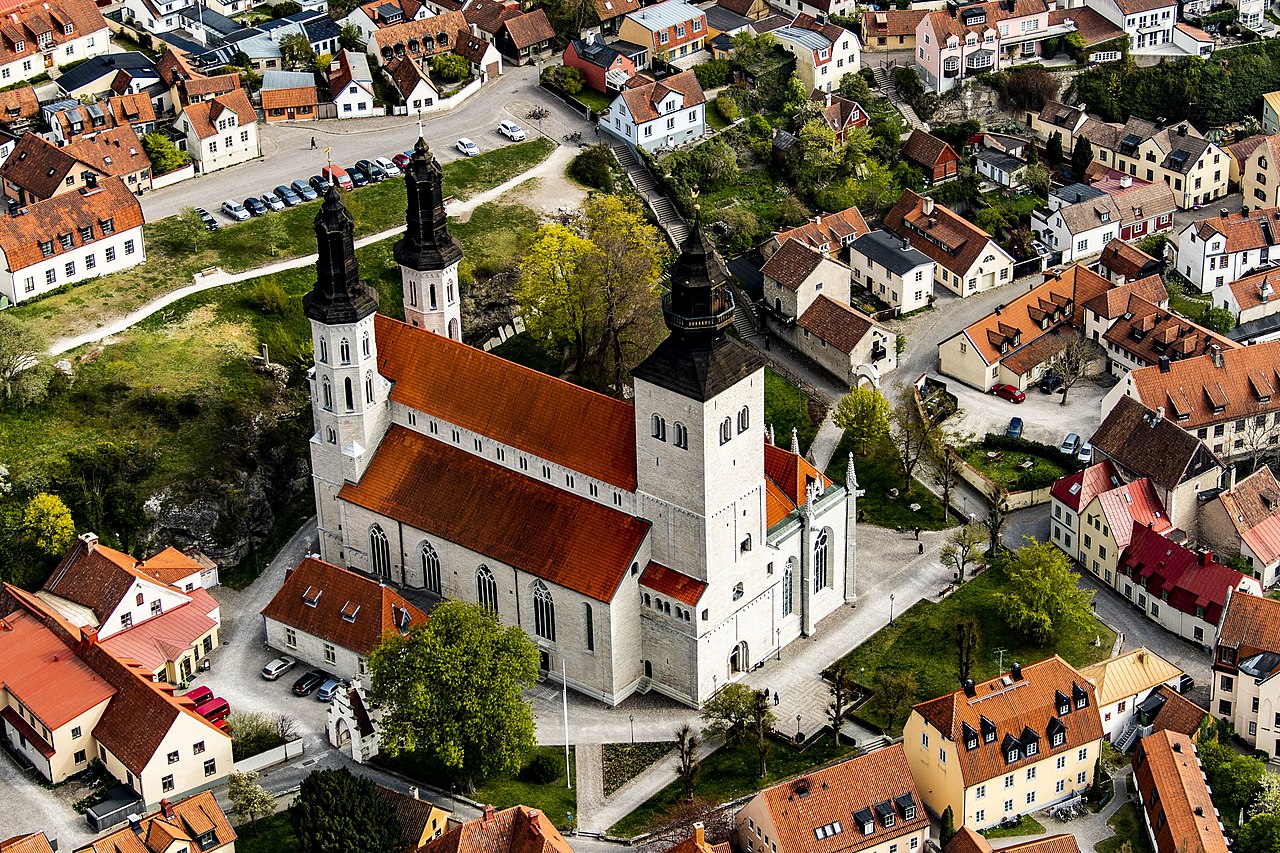
The town retains a compact core of narrow streets, stone houses and ruins of medieval churches. A prominent feature is the city wall that surrounds much of Visby; built and reinforced in the Middle Ages, it includes towers, gatehouses and stretches of battlements. Outside the wall are harbour facilities, residential neighbourhoods and modern amenities.
History and development
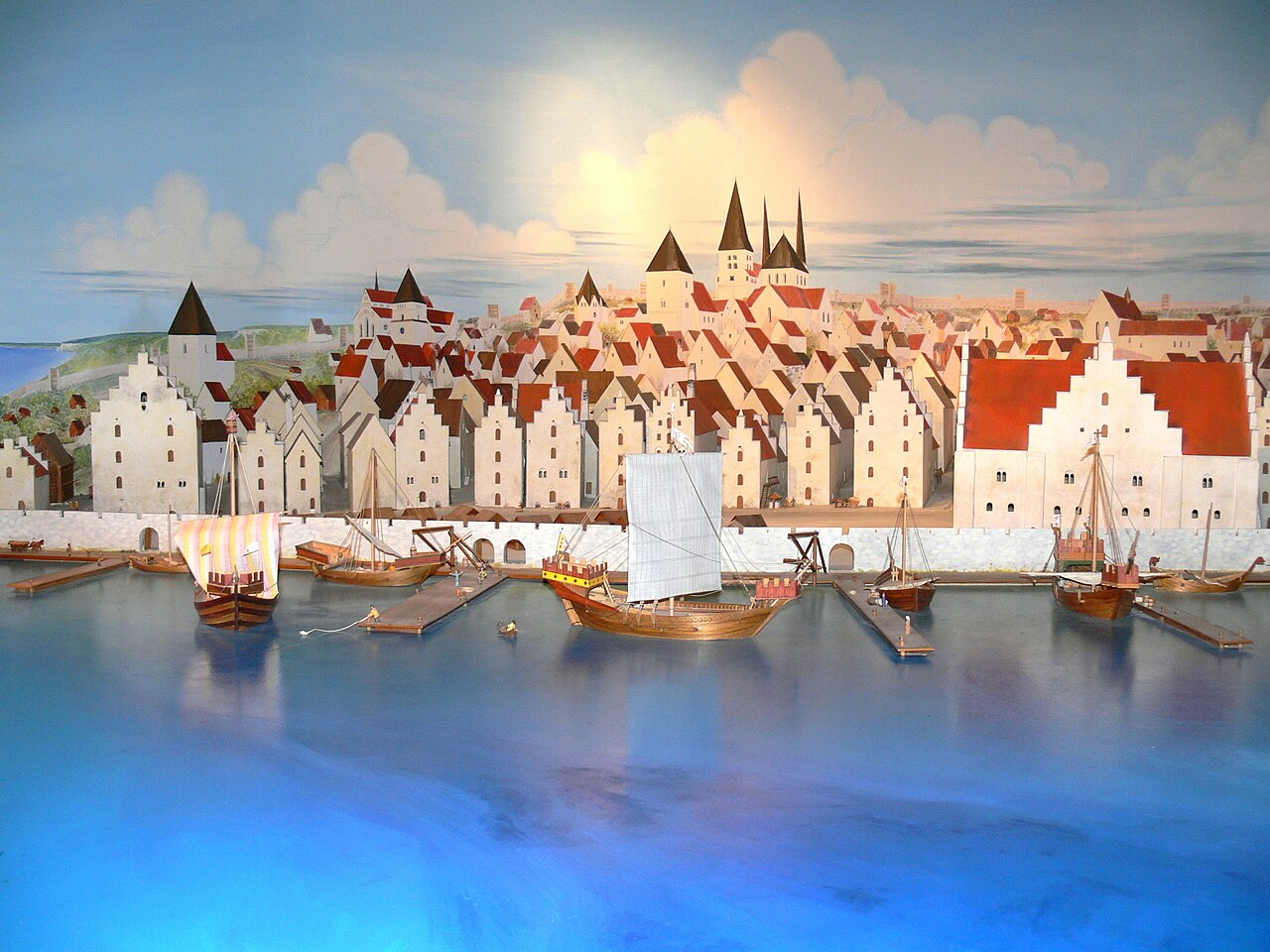
Visby grew wealthy in the medieval period as a trading centre in the Baltic Sea and had links with the Hanseatic League. Over centuries it experienced warfare, decline and periods of rebuilding, but many medieval structures survived. This long history is visible in archaeological remains and preserved buildings.
Culture, events and importance
The town is a popular destination for cultural tourism and hosts several annual events, including medieval markets and a summer political forum that attracts national attention. These gatherings, together with museums, festivals and performances, make Visby an active cultural centre for Gotland.
Transport, economy and visitors
Visby is accessible by sea and air, with ferry links to the Swedish mainland and an airport serving regional flights. Tourism, local services and public administration are important parts of the economy; visitors come to see the medieval architecture, coastal setting and historic monuments.
Notable distinctions
- Recognised for the preservation of its medieval urban fabric.
- Only urban centre of Gotland with a continuous inhabited core from the Middle Ages to the present.
- Frequently cited in studies of medieval Northern European towns and heritage conservation.
Population figures have varied over time; in the early 21st century the town's population was reported to be around 22,000, reflecting its role as both a local centre and a seasonal tourist destination. For further institutional and travel information see local and heritage resources: official island portal and regional guides (Swedish language services).
Related articles
Author
AlegsaOnline.com Visby, Gotland: medieval town and UNESCO World Heritage site Leandro Alegsa
URL: https://en.alegsaonline.com/art/105599
Sources
- scb.se : "Tätorternas landareal, folkmängd och invånare per km2 2005 och 2010"
- gotland.se : "Gotland i siffror, pdf"