
Virgin Australia
Major Australian airline founded as Virgin Blue (2000), rebranded in 2011. Hybrid full-service and low-cost carrier with domestic and regional routes; entered administration in 2020 and was later acquired.
Overview
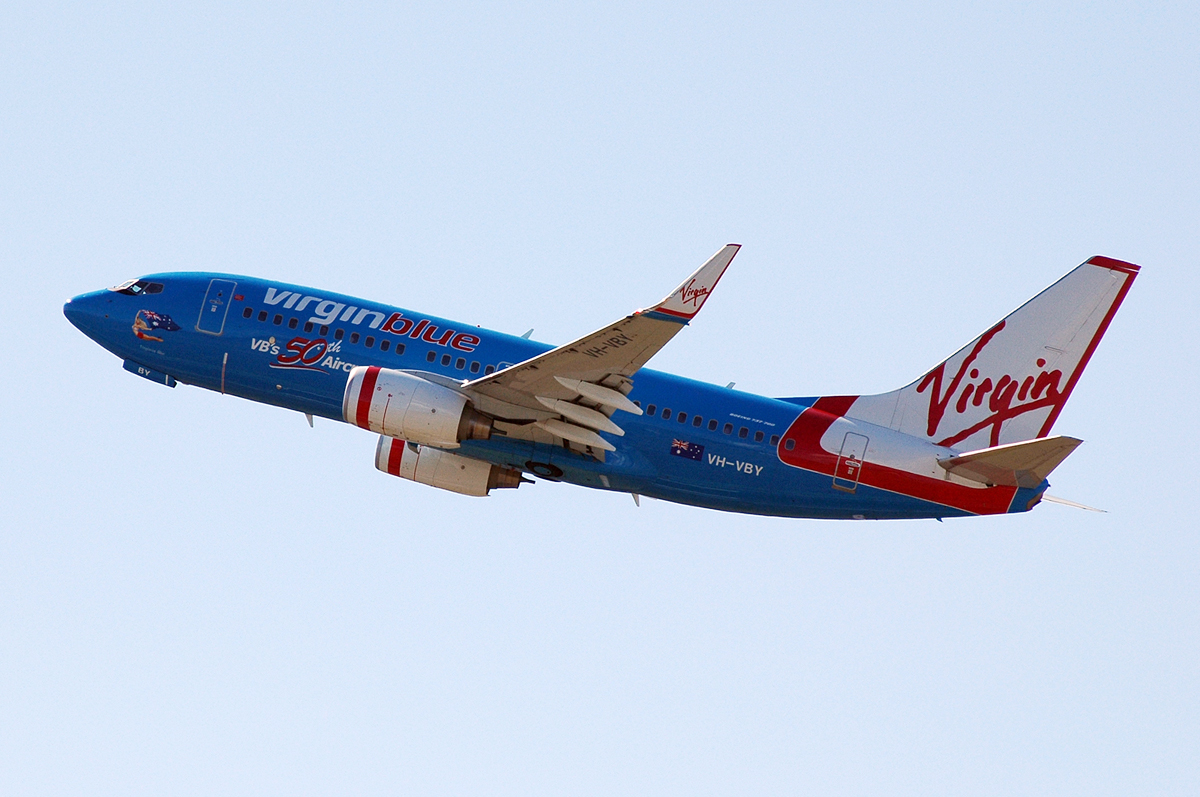
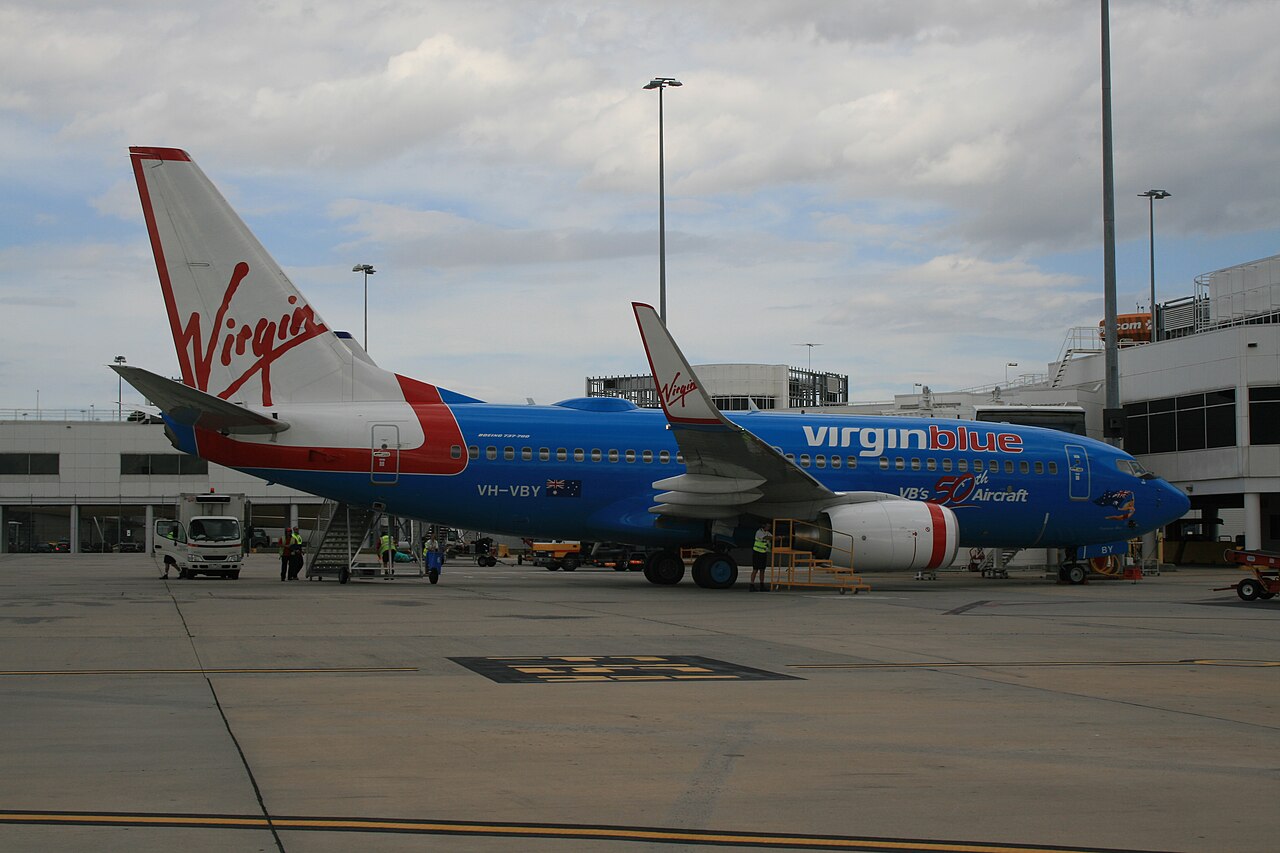
Virgin Australia is a prominent airline based in Australia. Launched in 2000 as Virgin Blue, it adopted the Virgin Australia brand in 2011 and grew into the country's second-largest carrier by passenger numbers. The carrier operates a mix of domestic and international services and has positioned itself between traditional full-service airlines and budget carriers, often described as a hybrid model.
Image gallery
10 Images




History and development
The company began operations in 2000 under the Virgin Blue name and expanded rapidly through domestic growth and new international routes. The 2011 rebrand to Virgin Australia signaled a shift toward a broader network and a greater emphasis on full-service offerings. In 2014 the group absorbed a low-cost subsidiary that had been operating in Australia, and later continued to refine its market strategy amid intense competition. The global downturn in travel during the COVID-19 pandemic forced the airline into voluntary administration in 2020; the business was subsequently purchased by private equity firm Bain Capital as part of a restructuring process that same year (administration).
Business model and market position
Virgin Australia operates a hybrid model that blends elements of both full-service and low-cost carriers. It competes with airlines that operate primarily low-cost models—such as Ryanair in Europe or Southwest Airlines in the United States—as well as with traditional legacy carriers. In the Australian market it has been a principal rival to Qantas and the Jetstar group; it also acquired Tigerair Australia in the mid-2010s, consolidating some low-cost operations, and remains a key competitor to Jetstar Airways.
Routes, fleet and services
The airline serves a wide range of destinations across the Asia–Pacific and beyond. Destinations have included routes within Australia and to nearby countries such as Fiji, Indonesia, New Zealand, Papua New Guinea, Tonga and Vanuatu, along with longer-haul services reaching the United States and destinations in the United Arab Emirates. The fleet historically combined narrow-body and wide-body jets to serve short-haul and long-haul markets; at various points the airline operated well over one hundred aircraft and adjusted capacity to match demand. Onboard offerings vary by cabin and route, with multiple cabin classes on longer services and simpler configurations on short-haul flights.
Organization, partnerships and customer programs
Virgin Australia has used alliances, codeshares and interline agreements to extend its global reach without joining a single major global alliance. The airline provides frequent-flyer benefits, corporate programs and tiered service options designed to attract both leisure and business travelers. Throughout its history the carrier has balanced cost discipline with attempts to offer added value and convenience for passengers seeking a full-service experience at competitive fares.
Notable facts and recent developments
- Founded in 2000 as Virgin Blue; rebranded to Virgin Australia in 2011.
- Acquired a domestic low-cost operator in the 2010s to broaden market coverage.
- Entered administration during the 2020 travel crisis and was taken over by private investors.
- Maintains regional connections across the Pacific and occasional long-haul routes to markets such as the United States and the United Arab Emirates.
Virgin Australia remains an important player in the Australian aviation sector. Its blend of service types, network flexibility and restructuring after the 2020 crisis continue to shape its strategy as it seeks to rebuild capacity and respond to evolving travel patterns.
Related articles
Author
AlegsaOnline.com Virgin Australia Leandro Alegsa
URL: https://en.alegsaonline.com/art/105518
Sources
- virginaustralia.com : "System Changes" · web.archive.org
- connectonline.asic.gov.au : "VIRGIN AUSTRALIA AIRLINES PTY LTD ACN 090 670 965"
- virginaustralia.com : "Preliminary Final Report 2015"
- ausbt.com.au : "Virgin Australia to replace Virgin Blue, V Australia, Pacific Blue names -- Polynesian Blue too?"
- planespotters.net : "Please verify your request"
- nationsonline.org : "Major Airlines of Australia and Oceania"
- news.com.au : "Virgin Australia will buy the remaining shares in Tigerair for $1"
- virginaustralia.com : "The Virgin Australia fleet"