
Antonio Vivaldi
Italian Baroque composer and virtuoso violinist (1678–1741), famed for The Four Seasons, prolific concertos, and influence on the solo concerto and ritornello form.
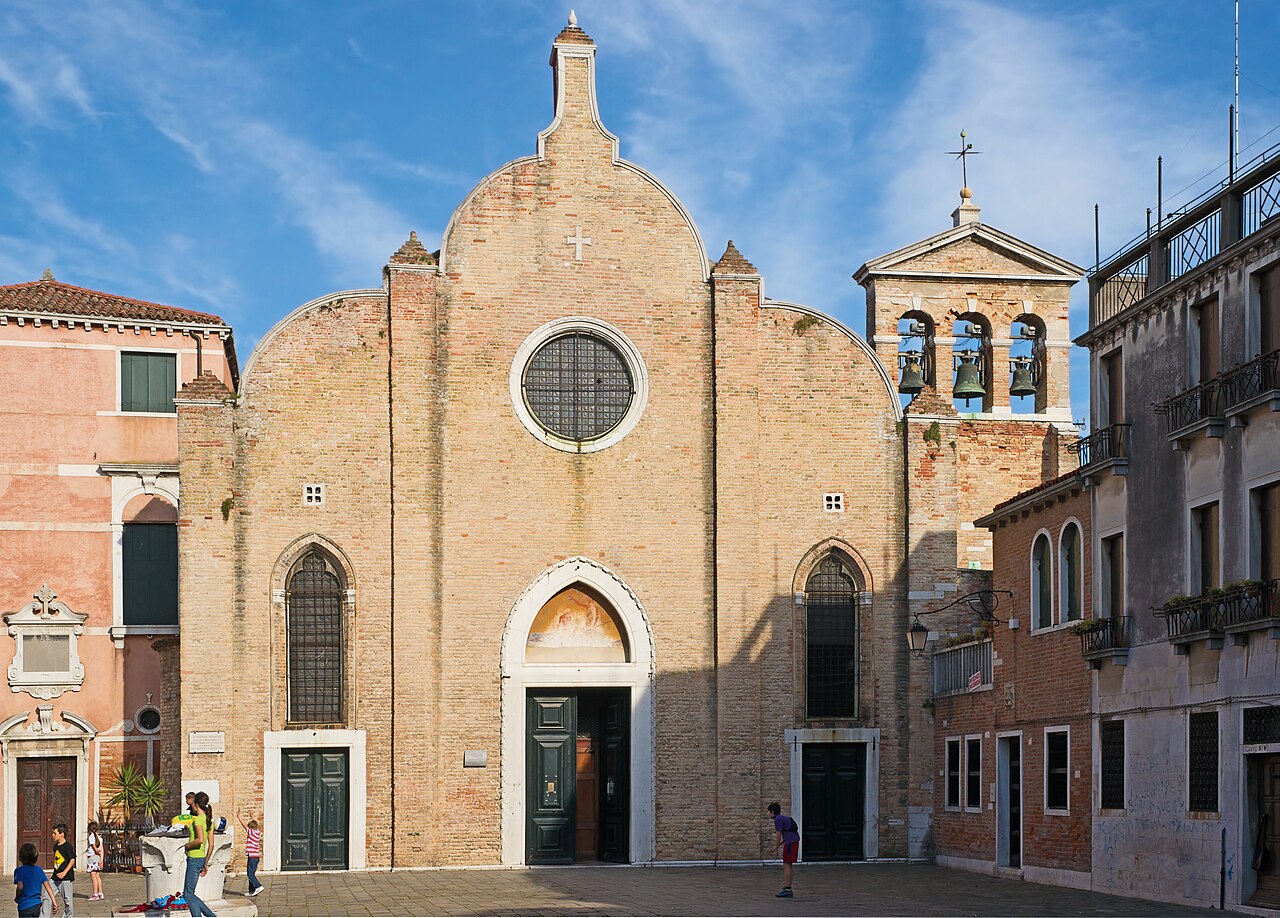
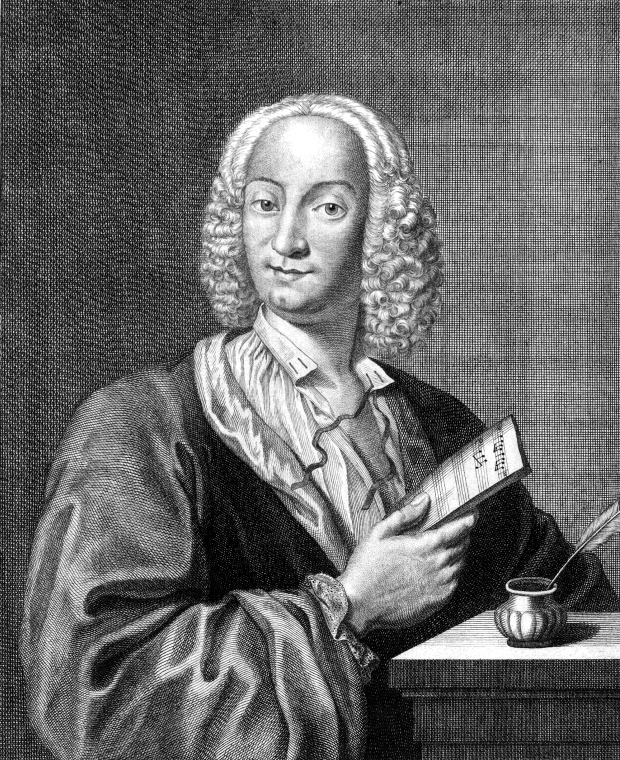
Antonio Vivaldi (born Venice, 4 March 1678; died Vienna, 28 July 1741) was an Italian musician whose work shaped the late Baroque concerto. A skilled violinist and a priest often called "Il Prete Rosso" (the Red Priest), Vivaldi combined virtuosity with clear formal ideas and energetic rhythms. He is widely regarded as one of the leading figures of Italian Baroque composition and an important architect of the solo concerto.
Image gallery
10 Images




Musical character and forms
Vivaldi wrote concertos for many instruments but favored the violin, producing a lively, idiomatic solo style. He helped develop the ritornello layout in which recurring orchestral passages alternate with virtuosic solo episodes. His music frequently features brisk tempi, inventive melodic shapes, and vivid harmonic turns. Programmatic writing — music that evokes extra-musical images or narratives — appears clearly in works such as his concertos collectively and especially in the set known as "The Four Seasons".
Life and career
Ordained as a Catholic priest in his youth, Vivaldi spent much of his professional life teaching and composing for religious institutions and conservatories in Venice. He was employed for many years at the Ospedale della Pietà, an institution for orphaned and abandoned girls, where he trained instrumental ensembles and wrote a large portion of his output. He traveled widely to present operas and concerts and eventually died in Vienna, where his fortunes had declined.
Major works and examples
Vivaldi's surviving catalogue includes more than four hundred concertos and numerous sacred works and operas; about twenty-one opera scores survive substantially intact. His best-known set is The Four Seasons, four violin concertos that pair musical gestures with seasonal images and are often accompanied by short sonnets, perhaps by the composer himself. Other representative pieces include his many violin concertos, chamber works, and liturgical compositions that display his melodic gift and rhythmic drive.
Legacy and influence
Although his fame waned after his death, Vivaldi's music was rediscovered and reassessed in the 19th and 20th centuries, leading to a major revival in performance and scholarship. He influenced the concerto practice of his contemporaries and successors and is frequently performed today in concert halls, recordings and media. Scholars continue to study his manuscripts and editions to understand authorship, chronology and performance practice.
- Notable places: Venice and Vienna.
- Genres: concertos, operas, sacred music — see catalogues and recordings for specifics (Italian Baroque tradition).
- Forms and techniques: ritornello form, solo virtuosity, programmatic writing.
For further reading and musical examples consult modern biographies, critical editions and recordings; archival sources and concert programs provide continuing insight into Vivaldi's working methods and enduring popularity (biographies, Baroque context, violin repertoire, Spring, Summer, Autumn, and Winter as movements within The Four Seasons).
Questions and answers
Q: Who was Antonio Vivaldi?
A: Antonio Vivaldi was an Italian composer who was born on March 4, 1678, and died on July 28, 1741, in Vienna.
Q: What was Vivaldi's contribution to music?
A: Vivaldi was the most important composer in Italy at the end of the Baroque period. He wrote more than 400 concertos for various instruments, especially for the violin. He is also believed to have invented the ritornello form.
Q: What is the most famous work of Antonio Vivaldi?
A: The most popular work of Antonio Vivaldi is the group of four violin concertos known as "The Four Seasons". Each concerto describes a season, including Spring, Summer, Autumn, and Winter.
Q: How many operas did Vivaldi compose?
A: Vivaldi composed a total of 21 operas, including his first and his last.
Q: Which instrument did Vivaldi write most of his concertos for?
A: Vivaldi wrote most of his concertos for the violin.
Q: What is the ritornello form?
A: The ritornello form is a musical structure in which a main theme or refrain is repeated throughout a piece of music, usually alternating with other themes.
Q: Are the scores of all of Vivaldi's operas still intact?
A: No, the scores of all of Vivaldi's operas are not still intact, but the scores of 21 of them, including his first and last, still exist.
Related articles
Author
AlegsaOnline.com Antonio Vivaldi Leandro Alegsa
URL: https://en.alegsaonline.com/art/114457
Sources
- oxfordmusiconline.com : oxfordmusiconline.com/subscriber/article/grove/music/40120.html
- biography.com : Antonio Vivaldi - Priest, Educator, Composer - Biography.com
- baroquemusic.org : baroquemusic.org/bqxvivaldi.html
- Antonio Vivaldi
- wikidata.orgQ1340.html : wikidata.orgq1340.html
- authority.bibsys.no : 90224852
- bncatalogo.cl : 000057122
- catalogo.bne.es : XX958764
- catalogue.bnf.fr : cb139008966
- data.bnf.fr : (data)
- cantic.bnc.cat : a10449875
- ci.nii.ac.jp : DA05368763
- d-nb.info : 118627287
- isni.org : 0000 0001 2129 9169
- id.loc.gov : n79021280