
Vindhyas (Vindhya Range) — mountain system of central India
The Vindhyas are an extensive, mostly low mountain and hill complex in central India that forms a cultural and geological divide between northern plains and the Deccan plateau.
Overview
The Vindhyas, often called the Vindhya Range, are a broad complex of hills, ridges and plateaus in central India. They form a prominent physical feature that historically marked a boundary between the Indo-Gangetic plains to the north and the peninsular plateau to the south. The name appears frequently in classical Indian literature and regional geography.
Image gallery
8 Images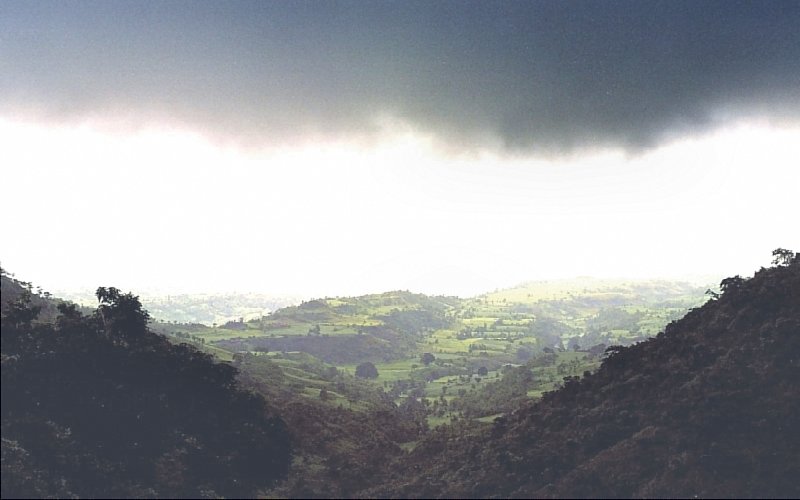


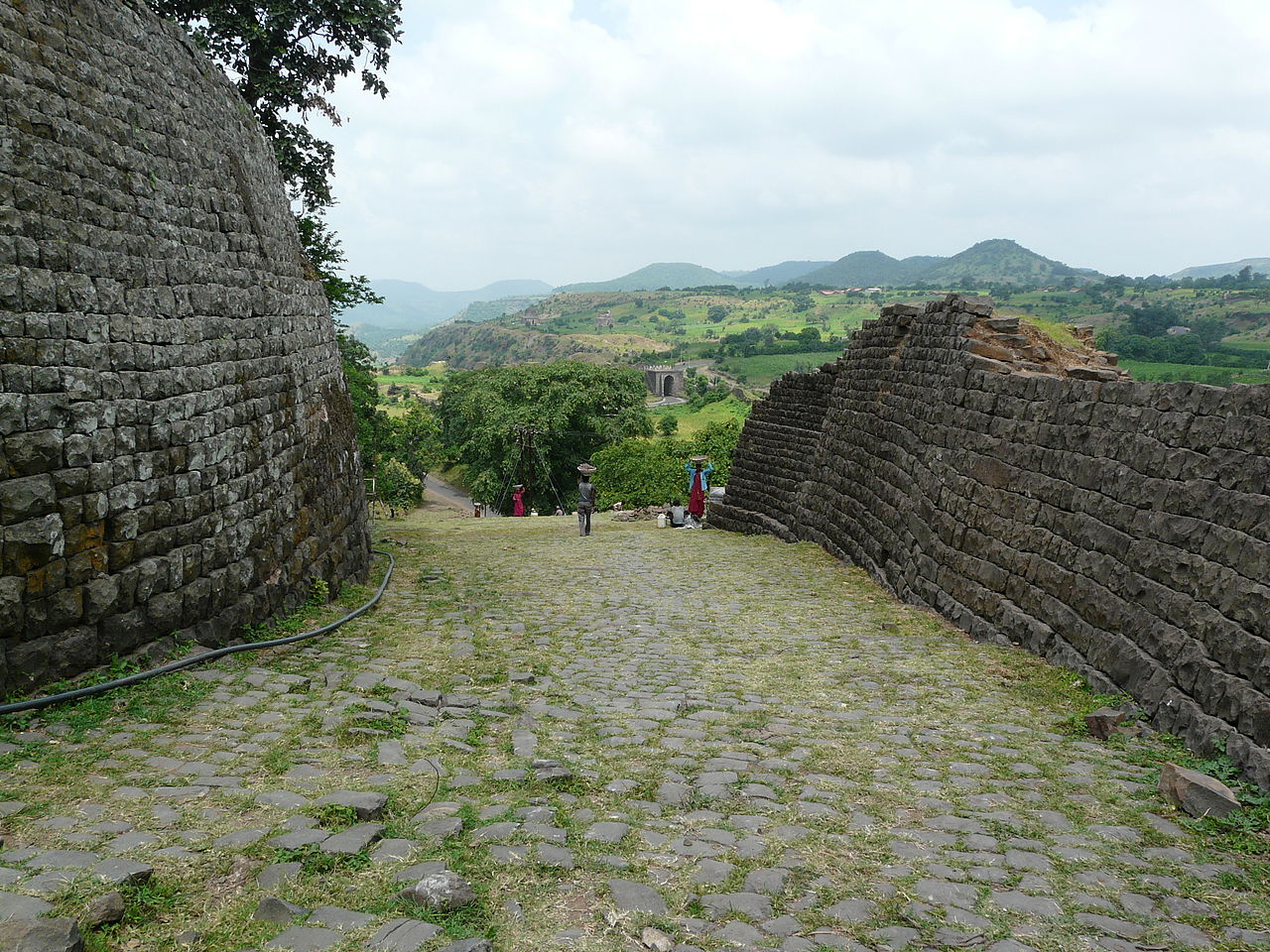


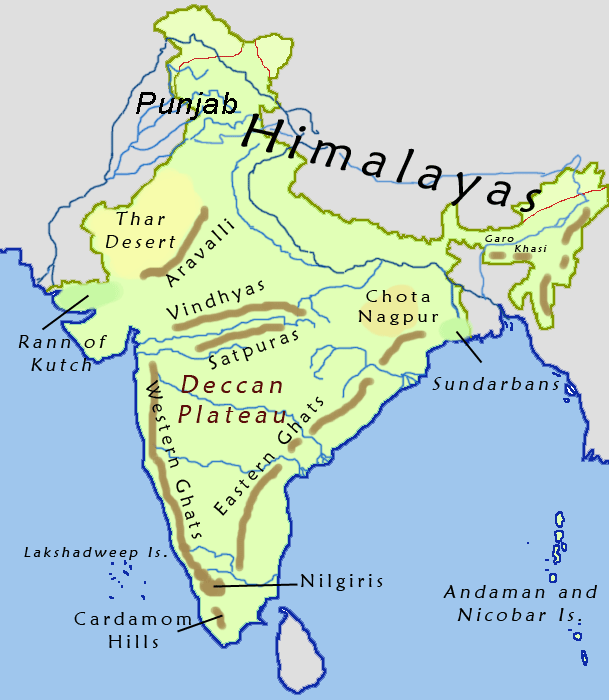
Location and extent
Running roughly east–west across the heart of the subcontinent, the Vindhyas extend through parts of Madhya Pradesh and adjoining states. The range is not a single continuous mountain chain but a series of escarpments, hill tracts and uplifted plateaus. For general geographic context see central India and more on the range itself at Vindhyas.
Geology and physical character
Geologically the Vindhyas are associated with extensive sedimentary rocks that record ancient environments; these rocks are important to geologists who study the Proterozoic and later sequences of the Indian shield. The terrain is typically lower than many mountain systems — consisting of rounded hills and flat-topped plateaus rather than sharp peaks. The range’s highest named summit is Sad-bhawna Shikhar.
Ecology, resources and uses
Vegetation varies from dry deciduous forests to scrub on degraded slopes. The Vindhya landscape supports agriculture in valleys and on benches, supplies timber and non-timber forest products, and contains mineral deposits in places. Rivers and seasonal streams that rise in or cut through the Vindhyas contribute to regional drainage patterns and local irrigation.
History and cultural significance
In Indian tradition the Vindhyas are often described as a cultural frontier separating north and south. They are referenced in epic and classical texts and have long influenced trade routes, pilgrimage paths and regional identities. Archaeological sites and historic towns near the range reflect a deep and varied human presence.
Key facts and distinctions
- Not a single continuous ridge but a series of uplands and escarpments.
- Acts as a geographic and cultural divider between plains and plateau.
- Contains important sedimentary rock sequences studied as the Vindhyan succession.
- Highest named summit: Sad-bhawna Shikhar.
Related articles
Author
AlegsaOnline.com Vindhyas (Vindhya Range) — mountain system of central India Leandro Alegsa
URL: https://en.alegsaonline.com/art/105415