
Vipava (river)
Vipava is a river in western Slovenia and northeastern Italy, flowing through the fertile Vipava Valley. It is known for strong winds, viticulture in its basin, and the Roman-era Battle of the Frigidus nearby.
Overview
The Vipava is a stream that runs across a compact valley in western Slovenia and briefly into northeastern Italy. It is known by several local names: in Slovene the river is referred to as Vipava, in Italian as Vipacco, and in Friulian as Vipau. Geographically the watercourse occupies a narrow corridor of lowland surrounded by karst and limestone hills. Coordinates for a representative point on the river are given here: 45°53′57″N 13°33′14″E. The Vipava is a notable feature of western Slovenia and reaches into adjacent Italy.
Image gallery
5 Images


Physical characteristics
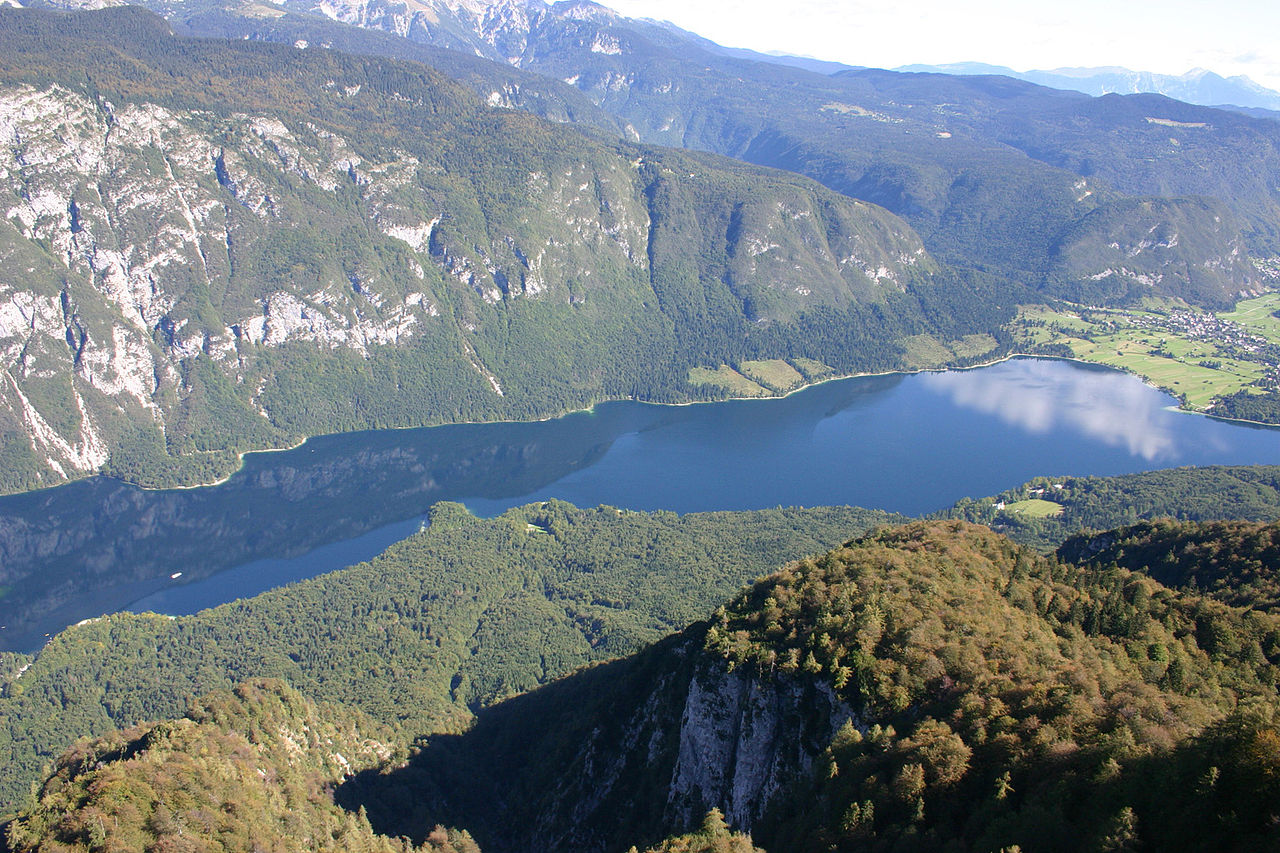
The Vipava flows through a pronounced valley that collects water from a number of small tributaries and springs. The valley floor is agriculturally fertile and the river has carved a modest channel across alluvial soils. The basin is influenced by karstic geology, which affects groundwater and spring behavior. Climatic and geographic factors produce a characteristic strong, cold wind along the valley slopes, an element that shapes local land use and vegetation patterns.
Human uses and settlements
Human settlement in the Vipava corridor is longstanding. Towns and villages developed along the river where water and flat land supported farming and communication. The valley is particularly associated with fruit growing and viticulture; vineyards and orchards are common on terraces and valley margins. The river also supports small-scale irrigation and local recreation. Examples of population centres and land uses in the basin include the market towns and farming communities that orient toward valley transport routes and local industry.
History and cultural significance
The Vipava Valley has been a crossroads since antiquity. In Roman times the river was known by the name Frigidus (meaning "cold"), a name that appears in accounts of late Roman history. The Battle of the Frigidus in 394 AD—a decisive engagement in the civil wars of the late Roman Empire—was fought in the vicinity of the river; historical summaries discussing that campaign often use the Roman toponym Frigidus. Over the centuries the valley has been part of shifting political borders and today shows a blend of Slavic and Romance cultural influences.
Environment, tourism and notable facts
The Vipava and its valley are valued for scenic landscapes, agrarian character and outdoor opportunities. The combination of steep hills and a sunny valley floor supports wines that are locally distinctive. The area can be vulnerable to sudden floods during heavy rains and to erosional processes on steep slopes, so local land management emphasizes slope stability and responsible water use. The river is also of interest to naturalists because of its riparian habitats and the interplay between karst groundwater and surface flow.
Questions and answers
Q: What are the exact coordinates of the Vipava river?
A: The coordinates of the Vipava river are 45°53′57″N 13°33′14″E / 45.89917°N 13.55389°E / 45.89917; 13.55389.
Q: In which countries does the Vipava river flow?
A: The Vipava river flows through western Slovenia and northeastern Italy.
Q: What is the name of the Vipava river in Slovene?
A: The Vipava river is called "Vipava" in Slovene.
Q: What is the name of the Vipava river in Italian?
A: The Vipava river is called "Vipacco" in Italian.
Q: What is the name of the Vipava river in Friulian?
A: The Vipava river is called "Vipau" in Friulian.
Q: When was the Battle of the Frigidus fought near the Vipava river?
A: The Battle of the Frigidus was fought in 394 near the Vipava river.
Q: What was the Roman name for the Vipava river?
A: The Roman name for the Vipava river was Frigidus, which means 'cold' in Latin.
Related articles
Author
AlegsaOnline.com Vipava (river) Leandro Alegsa
URL: https://en.alegsaonline.com/art/105487
Sources
- arlef.it : "Denominazioni toponimiche ufficiali in lingua friulana"
- stat.si : "Reke, dolge nad 25 km, in njihova padavinska obmocja"
- geopedia.si : "Kart over Vipava"