
Virgin Komi Forests
Extensive tract of old‑growth boreal forest in Russia's Komi Republic; Europe's largest intact taiga, a UNESCO World Heritage site (1995), important for biodiversity, carbon storage and indigenous culture.
The Virgin Komi Forests form a large, continuous belt of largely untouched boreal woodland in the Komi Republic in the northern Ural region. Covering about 32,800 square kilometres, the complex is often described as the largest area of primary (old‑growth) forest in Europe and was inscribed on the UNESCO World Heritage List in 1995. The protected territory links large nature reserves and national parkland, river valleys and peatlands, providing a representative wilderness of the northern taiga.
Image gallery
6 Images


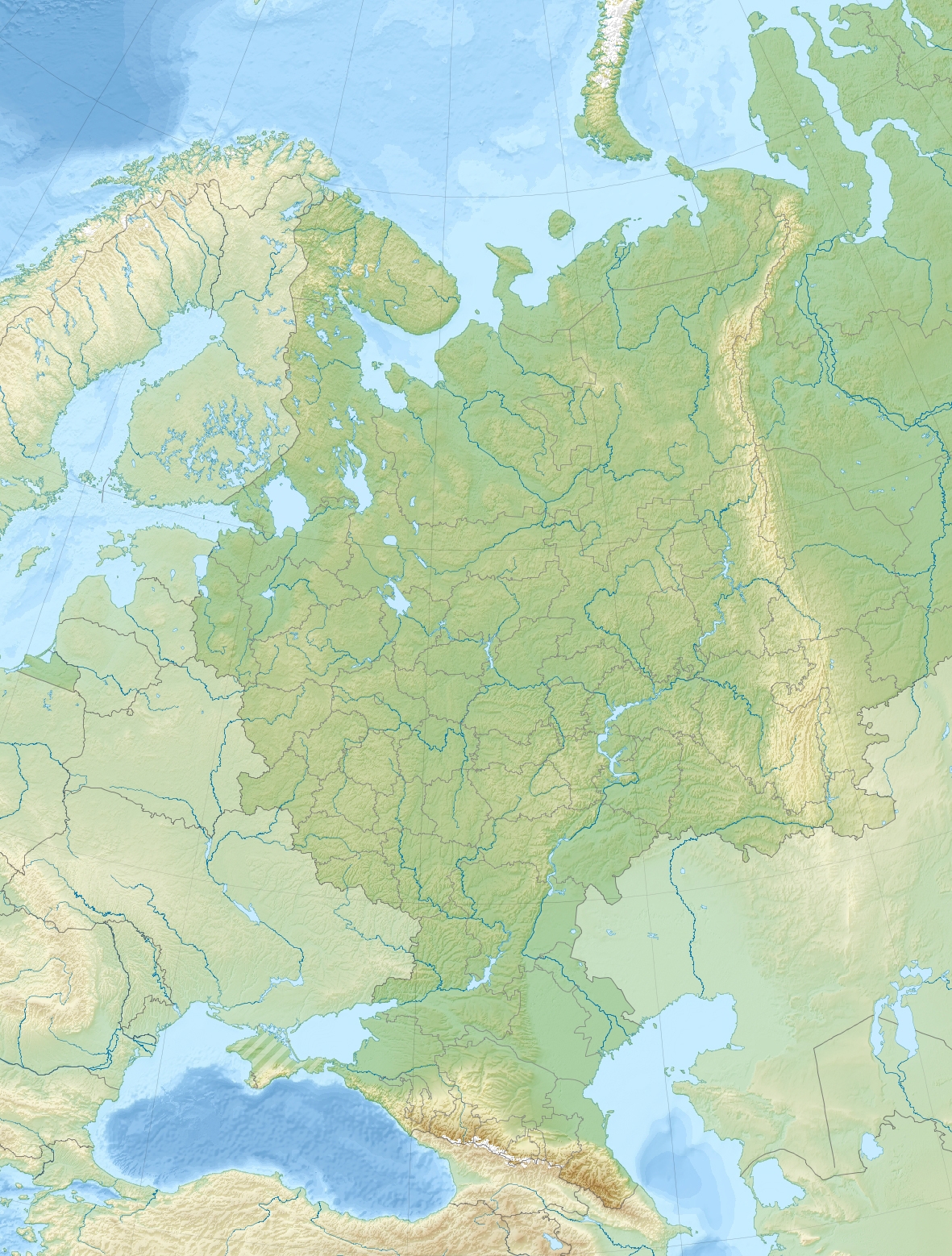
Landscape and vegetation
Most of the site is low, flat taiga plain at roughly one hundred metres above sea level that rises toward the western slopes of the Ural mountains. Forest stands are dominated by spruce, Scots pine, Siberian larch and fir, intermixed with extensive peat bogs and floodplain meadows. Structural features characteristic of old‑growth forest—large mature trees, standing and fallen dead wood, multilayered canopies and undrained wetlands—remain widely present, making the area important for natural processes and long‑term ecological study.
Wildlife and ecological role
The intact forests sustain a full complement of boreal fauna. Large mammals such as brown bear, Eurasian elk (moose), reindeer, wolf and wolverine occur together with forest specialists like sable and lynx; rivers and wetlands support beaver, fish and migrating waterbirds. The peat soils and forest biomass are significant carbon stores, so the area has value for climate regulation and for baseline research on natural boreal ecosystems.
Protection, people and threats
The World Heritage property links two principal protected areas and surrounding reserves that are managed under Russian federal law and regional administration. Indigenous Komi communities have traditional ties to the landscape and its resources. The site faces pressures from prospective mineral extraction (including gold deposits), illegal timber harvesting and infrastructure that fragments habitat. Authorities, researchers and conservation organisations monitor these threats while seeking measures to reduce impacts and reconcile local livelihoods with conservation goals. Illegal logging is specifically listed as a continuing concern in regional assessments; see materials on illegal logging and enforcement responses.
Importance and further information
As a large remnant of Europe's original taiga, the Virgin Komi Forests are valuable for biodiversity, cultural heritage, freshwater regulation and carbon storage. International recognition through the World Heritage listing has helped focus attention and support collaboration. Readers wishing to place the site in a broader geographic context can consult sources on the Ural mountain range and the Russian environment; general information about the country is available through resources on Russia. For ecosystem context, see introductions to taiga biomes and their conservation challenges.
- Location: Komi Republic, northern Ural foothills, Russia
- Area: c. 32,800 km² of contiguous forest and wetlands
- Status: UNESCO World Heritage Site (1995) — site listing
- Main threats: mining (including gold interests), illegal logging, roadbuilding and climate impacts
Questions and answers
Q: What are the Virgin Komi Forests?
A: The Virgin Komi Forests is a large woodland in the northern part of the Ural mountain range, in Russia.
Q: What is the area covered by the Virgin Komi Forests?
A: The forests cover an area of 32,800 square kilometres (12,700 sq mi).
Q: What is the significance of the Virgin Komi Forests?
A: The Virgin Komi Forests are the largest virgin forests in Europe and were made a UNESCO World Heritage site in 1995.
Q: What kind of terrain is found in the Virgin Komi Forests?
A: Most of the area is a flat Taiga plain, about 100 metres above sea level, and the forests rise towards the Ural mountains.
Q: What are the threats to the Virgin Komi Forests?
A: Parts of the area contain a lot of gold, which poses a threat. Illegal logging is also a threat.
Q: Why is the gold in the Virgin Komi Forests a threat?
A: The presence of gold in the forests makes them a target for mining, which can result in environmental damage.
Q: What conservation status do the Virgin Komi Forests have?
A: The Virgin Komi Forests were made a UNESCO World Heritage site in 1995, highlighting their importance and conservation status.
Related articles
Author
AlegsaOnline.com Virgin Komi Forests Leandro Alegsa
URL: https://en.alegsaonline.com/art/105526