
Villarrica (volcano)
Villarrica is one of Chile's most active stratovolcanoes, near Lake Villarrica and the towns of Villarrica and Pucón. It features a persistent lava lake, frequent eruptions, and active monitoring and tourism.
Villarrica is a prominent and persistently restless stratovolcano in southern Chile. Often cited among the country's most active peaks, it sits close to Lake Villarrica and the lakeside towns that share its name and attract visitors. The mountain is a recognizable landmark in the Araucanía region and is known for a frequently molten crater that produces Strombolian activity and occasional larger eruptions.
Image gallery
10 Images


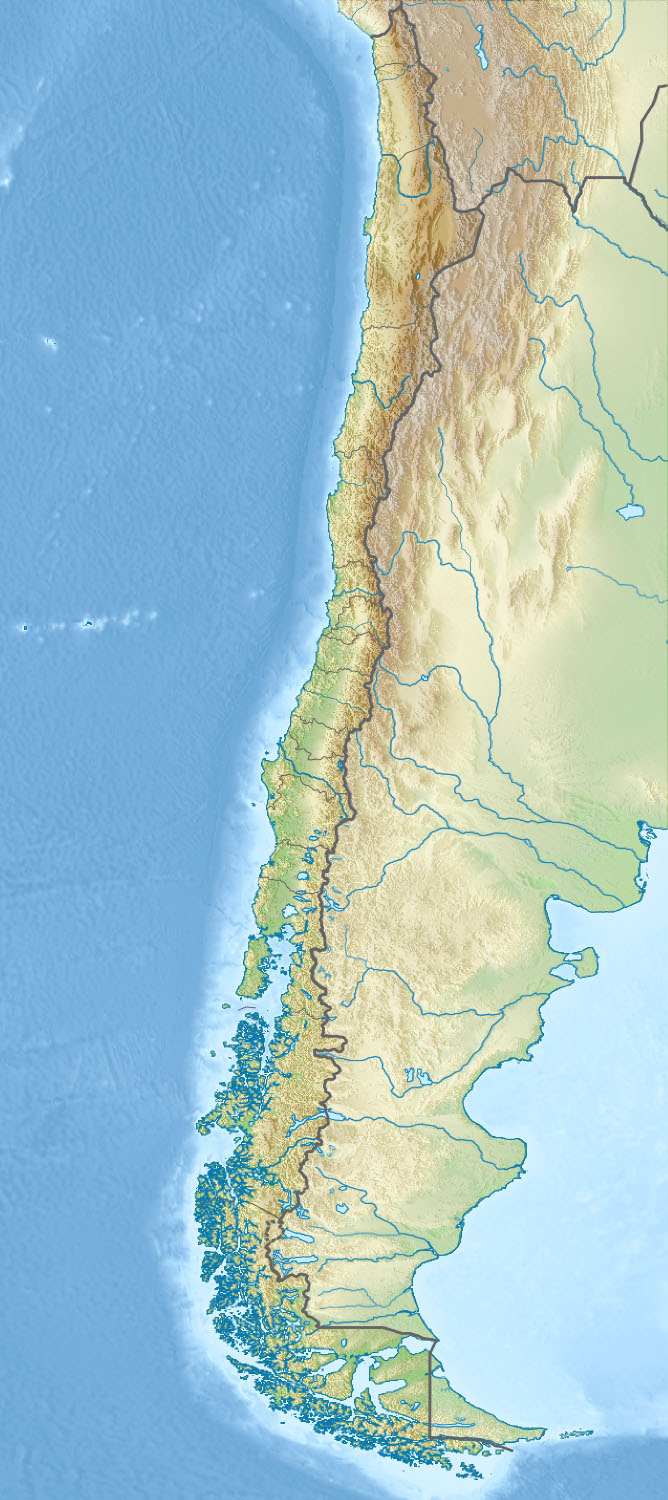
Physical characteristics
Geologically, Villarrica belongs to the Southern Volcanic Zone of the Andes and owes its activity to subduction-related magmatism. It is a conical stratovolcano with a well-defined summit crater that can contain a lava lake at times. Typical eruptions are basaltic-andesitic and may include lava fountains, explosive bursts, ash emissions, and lava flows; these patterns are characteristic of many active volcanoes in the region.
History and recent activity
The volcano has a long record of historical eruptions and frequent signs of unrest. Records and observations show repeated episodes of Strombolian eruptions, intermittent lava lakes, and periodic explosive events. Notably, a sudden eruption in 2015 produced ash and ballistic projectiles that led to evacuations of nearby communities, underscoring the volcano's ability to impact populated areas.
Human interaction and hazards
Villarrica is closely tied to local economies through tourism: guided climbs to the upper slopes, ski areas on its flanks, and scenic visits to the lakeshore towns make it a major attraction. At the same time, the volcano poses clear hazards—ashfall, pyroclastic activity, lava flows, and lahars can threaten towns such as Pucón and Villarrica itself. For this reason the site is continuously monitored by Chilean geological agencies and emergency services, and climbing is regulated according to activity levels.
Importance and notable facts
- Also known by local indigenous names and prominent in regional culture.
- Forms part of a chain of Andean volcanoes produced by the subduction of the Nazca Plate beneath South America.
- Combines scientific interest—because of its lava lake and frequent activity—with recreational use, including mountaineering and skiing.
- Subject to continuous monitoring and hazard planning to protect nearby communities and tourists.
Villarrica exemplifies the dual nature of many active volcanoes: it is both a draw for visitors and a source of serious volcanic risk. Ongoing observation, public education, and preparedness remain essential to living safely alongside this dynamic natural feature.
Related articles
Author
AlegsaOnline.com Villarrica (volcano) Leandro Alegsa
URL: https://en.alegsaonline.com/art/105219
Sources
- peaklist.org : "Argentina and Chile, Central Ultra Prominences"