
Bengali nationalism: identity, history, and political expression
Bengali nationalism describes the cultural and political movement asserting the identity and rights of Bengali-speaking people across the Bengal region, now divided between Bangladesh and India's West Bengal.
Overview
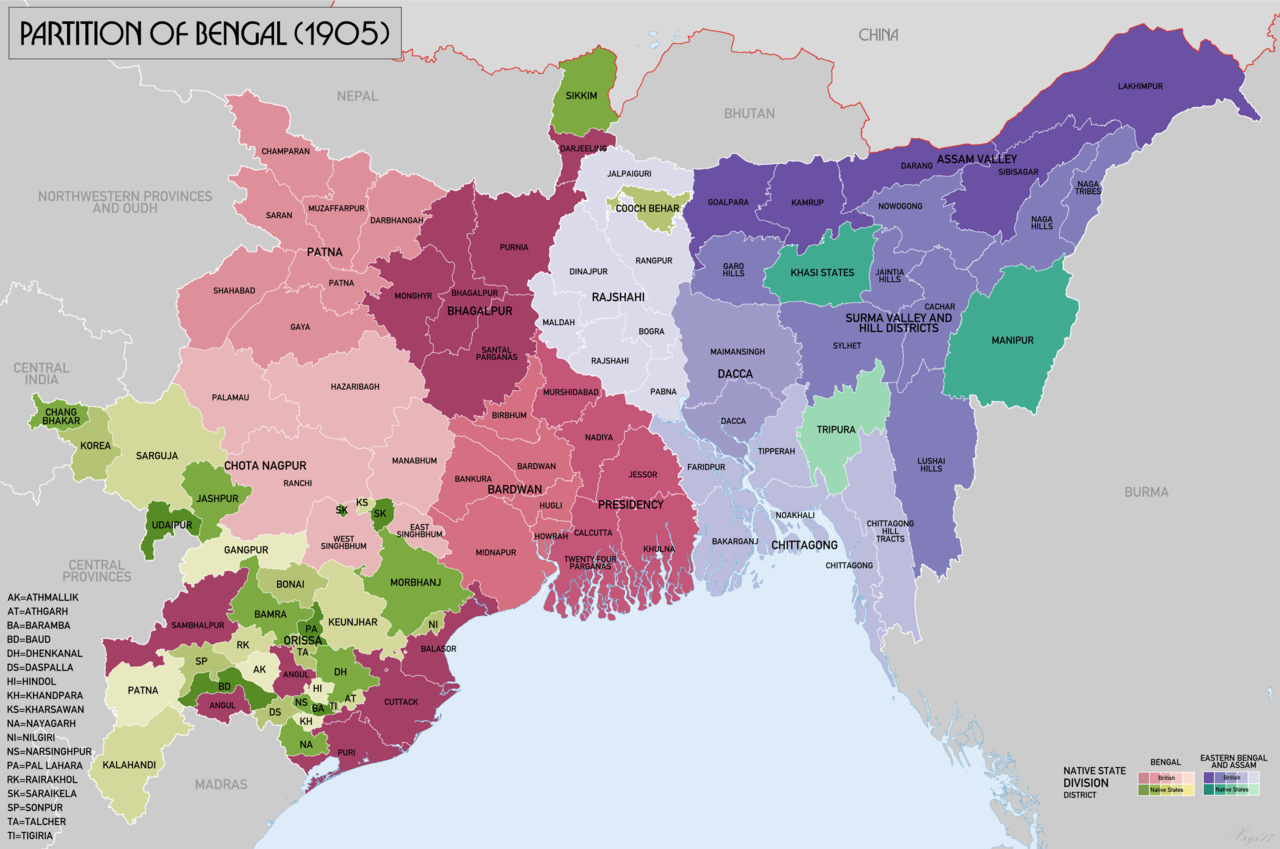
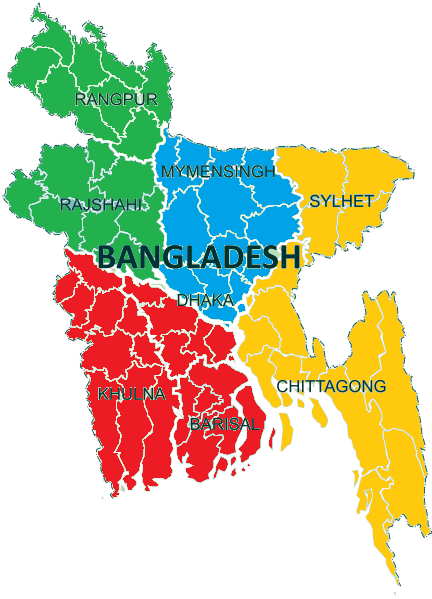
Bengali nationalism is the modern articulation of the shared language, culture and historical memory of the Bengali people. It manifests both as a cultural identity and as a political expression that seeks recognition and rights for peoples stemming from the Bengal region. The community is divided by national borders, chiefly between Bangladesh and the Indian state of West Bengal within India.
Image gallery
6 Images



Core characteristics
At its core, Bengali nationalism emphasizes language, literature, and cultural practices. The Bengali language is a primary marker; poetic, musical and intellectual traditions have reinforced a distinct communal sense. Key cultural markers include a strong literary heritage, festive calendars, and regional cuisine and arts.
Historical development
The idea has roots in late‑colonial movements and cultural revival in Bengal, and it gained political force in the 20th century through demands for linguistic and administrative recognition. A notable early political turning point was the mobilization around the Bengali language, which crystallized broader claims to autonomy and rights within larger state structures.
Political consequences and examples
Bengali nationalism has taken several political forms: regional autonomy movements, campaigns for cultural recognition, and full-scale independence struggles. Most prominently, the movement for national self-determination in the eastern part of Bengal led to the formation of a separate state in the 20th century. In other contexts, Bengali identity informs regional politics, civil society, and party platforms.
Distinctions and notable points
- Bengali nationalism differs from civic nationalism by centering language and ethno-cultural ties—a form sometimes described as ethno-national consciousness.
- Its expression varies between secular and religious tones depending on historical and political circumstances.
- Contemporary discussions link it to cultural preservation, education policy, and regional cooperation.
For readers seeking further context on the region, politics, and culture, see materials about the Bengal region and its present-day political entities: Bangladesh and West Bengal within India. Additional sources can be consulted via general references and specialized studies on language movements and 20th-century South Asian history.
Related articles
Author
AlegsaOnline.com Bengali nationalism: identity, history, and political expression Leandro Alegsa
URL: https://en.alegsaonline.com/art/10504
Sources
- bangla2000.com : bangla2000.com/bangladesh/language.shtm
- betelco.com : "BANGLA - The Official Language of Bangladesh"